Rise in Emergency Preparedness Amid Technology Outages
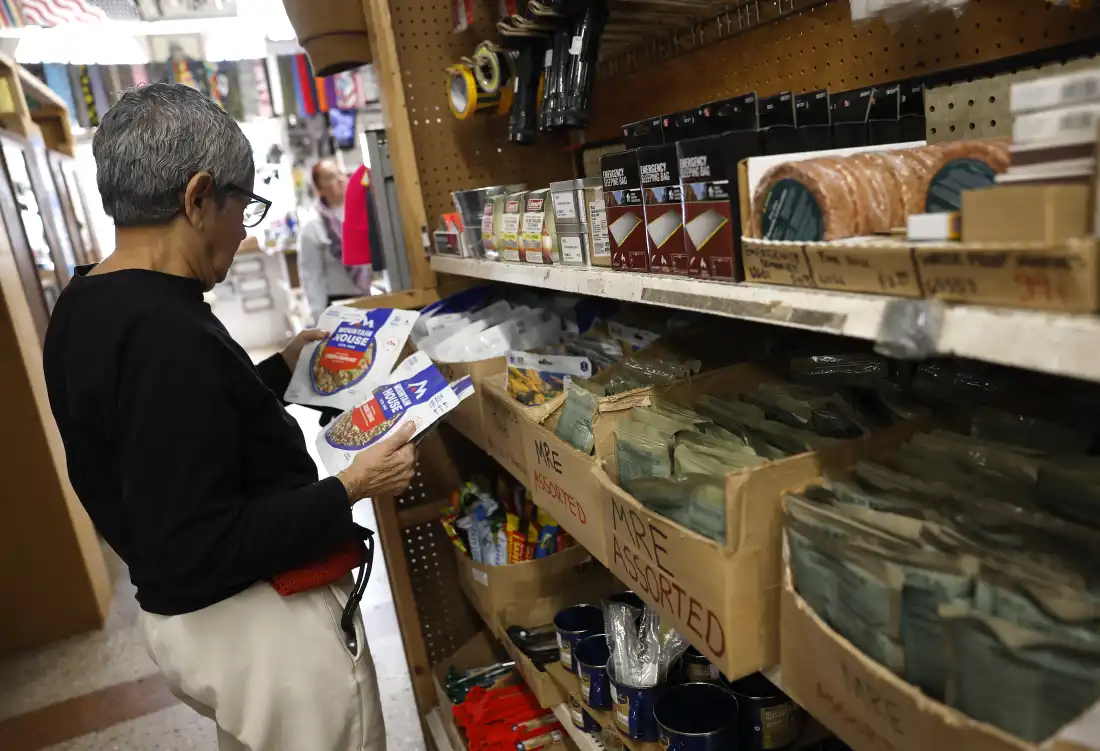
A growing number of people are stocking up on emergency supplies in response to recent technology outages. This trend can be observed as more individuals prepare for potential disruptions in crucial services. Many find themselves gathering food, water, battery-powered radios, and survival kits to be ready for unforeseen challenges.
Preparing for Potential Disruptions
Teri Brown, concerned about the reliability of the U.S. electrical grid and the rise of artificial intelligence, has taken steps to prepare her household. Living in the Denver suburbs, she and her husband Richard have begun storing extra food, some of which they freeze-dry, and storing water in large tanks.
While stocking up might attract a stigma, the Browns see preparation as a practical necessity. Teri expresses concern that sharing her prepping activities may lead others to perceive her as overly cautious.
Changing Perceptions of Preppers
Recent technical disruptions, such as outages affecting Microsoft Outlook and Apple Pay, have led to increased public interest in emergency preparedness. These incidents have made people consider strategies to cope with the potential loss of essential services.
The Pentagon’s preparation for scenarios involving major U.S. military bases highlights the broader concern that power grids or supply chains may be compromised. As European governments encourage citizens to stock up on essentials, people in the U.S. are similarly motivated.
Influence of Social Media on Emergency Preparedness
Online influencers like Krystal Christensen, known as CharminglyFrugal and DoomsDayQueen, have seen a surge in followers seeking emergency preparedness guidance. She notes an increased interest from younger generations worried about power outages.
In her videos, Christensen advises sensible shopping practices rather than panic buying. However, she acknowledges the rush to purchase items like generators, as shown in a video tour of a Utah Costco.
Practical Advice from Experts
Deanne Criswell, former FEMA administrator, suggests that preparation should be tailored to individual circumstances. Recognizing local risks helps individuals make informed decisions rather than adopting a one-size-fits-all approach.
For example, residents in areas prone to natural disasters need specific preparations. Monique Imroth from San Diego County is familiar with wildfire risks and has organized her emergency plans accordingly.
Conclusion on Emergency Preparedness
Preparedness is increasingly seen as sensible planning rather than extreme caution. By understanding local risks and avoiding impulse purchasing, individuals can build effective and reasonable emergency supplies. The goal is to reduce anxiety and manage unexpected situations efficiently.