Reviving the Legacy of Helen Hoover
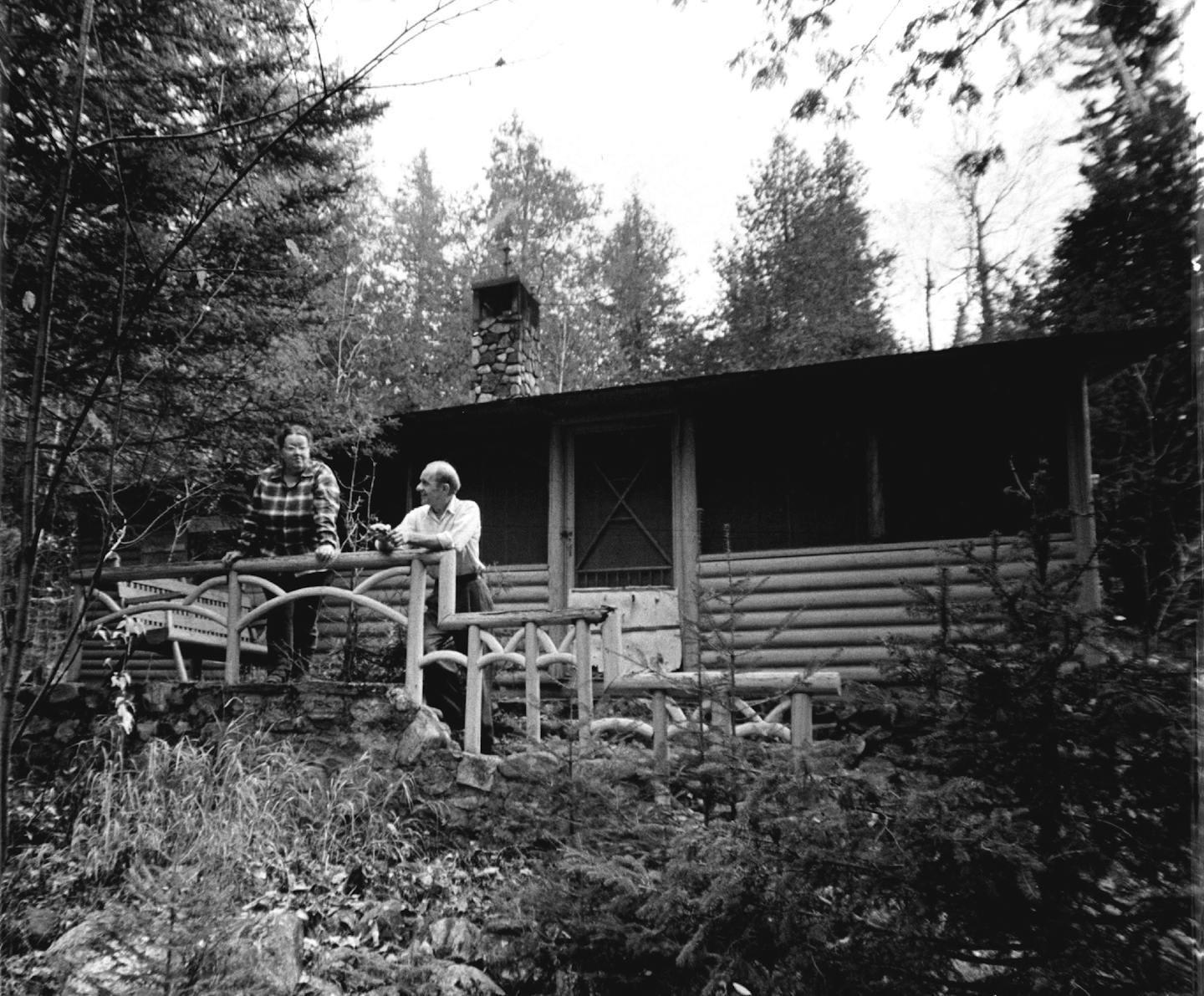
Starting in the 1950s, Helen Hoover made her mark as a significant figure with her vivid storytelling about life in the boreal north. Her descriptive takes on living at the end of the Gunflint Trail and observing wildlife from her cabin window captivated many. Recently, Hoover’s life and work have drawn renewed attention across Minnesota.
Interest Revived by Biography
David Hakensen, who authored a biography of Hoover titled “Her Place in the Woods,” has played a major role in rekindling interest. Published last year, the book has prompted Hakensen to travel throughout Minnesota to talk about Hoover. “My goal is to resuscitate her reputation as a nature writer,” Hakensen said. Through nearly 30 talks at libraries, community centers, and bookstores, he aims to inspire a new generation to explore her work.
Demand for her books has increased, with reports of wait lists emerging for her classics like “The Gift of the Deer” and “A Place in the Woods.” The University of Minnesota Press has responded by reprinting these titles. Sales of other works, such as “The Long-Shadowed Forest,” have doubled since Hakensen’s biography was released.
From City Life to the North Woods
Helen and Adrian Hoover transitioned from urban Chicago to a rustic cabin on Gunflint Lake in 1948. The couple gradually adapted to life without modern comforts. During this time, Hoover began submitting articles to nature magazines. Her experiences, framed by the juxtaposition of city life and wilderness hardships, attracted readers.
Expanding Interest in Hoover’s Work
Hakensen’s efforts to share Hoover’s narrative have been well-received, particularly in areas familiar with her writing but less so with her personal history. Heather Skinner from the University of Minnesota Press noted that Minnesotans resonate with her story. Hoover’s unique perspective as a former scientist enabled her to portray nature with precision and depth.
The stories Hoover shared were appealingly different from those of East Coast nature writers. Her focus on local wildlife like bobcats or lynx was fresh and intriguing for her editors and readers alike. Although she belonged to the North Woods circle of writers including Sigurd Olson and Calvin Rutstrum, her lifestyle set her apart. Hoover and her husband, Adrian, interacted intimately with nature, building relationships with the animals.
A Distinctive Voice in Nature Writing
Hoover’s reputation as a quirky and reclusive figure added to her allure. Hakensen encountered this mystique while researching her life, speaking with those who knew her. Many stories about her proved challenging to verify, but prevalent themes portrayed her as determined and unique.
In response to friends in Chicago who questioned their move, Hoover reportedly said, “We’re not running away from anything. We are going to something.” This pioneering spirit reflects in her work and continues to attract interest today.