The Evolution of White Oak Pastures: A Journey from Traditional to Regenerative Farming
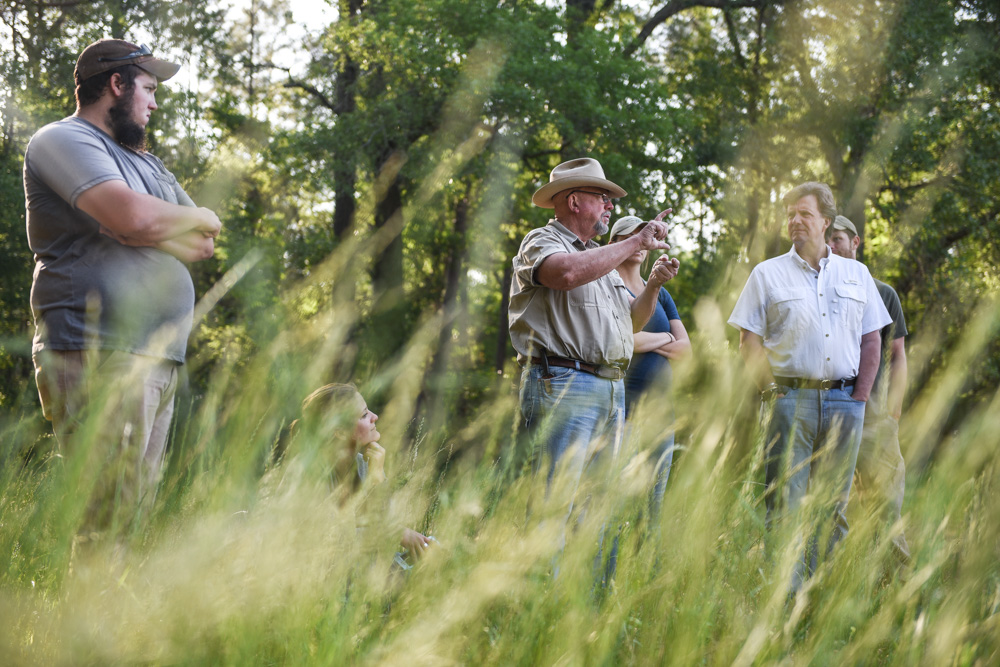
Since 1866, Will Harris’s ancestors have managed a farm in southwestern Georgia. Initially, his great-grandparents raised and sold livestock such as chickens, ducks, hogs, and cows. They would transport their products to Bluffton in a mule-drawn wagon.
Today, Harris operates White Oak Pastures on 5,700 acres. His farm is now the largest private employer in the county, providing jobs for 170 people, almost all working-age residents of Bluffton.
White Oak generates $30 million annually by raising livestock, processing, and selling meat directly to consumers. Despite its success, Harris points out that the traditional cycle of farm building is under strain due to high costs and competition from investors who often outbid farmers for land.
The State of U.S. Farming
The U.S. cattle herd is at its lowest in 75 years, impacted by droughts and high operational costs. Meanwhile, acquiring farmland has become challenging as institutional investors outbid local farmers. Harris notes that a data center has been approved for Clay County, reflecting a trend of land moving out of farmers’ hands.
A Shift in Farming Practices
Originally, White Oak operated as a conventional farm, focusing on cattle and using pesticides to reduce costs. Harris followed this method for two decades. However, he later adopted a more holistic approach, inspired by his great-grandparents’ diverse farming practices.
Harris transitioned to regenerative farming by including various livestock and natural grasses while abandoning chemical pesticides. He promotes a cycle that preserves nature’s balance, which gained traction as consumer interest in grass-fed beef increased.
Innovative Business Strategies
In the early 2000s, Harris expanded White Oak’s market reach, securing placements in major grocery chains as demand for grass-fed beef grew. Despite facing challenges when U.S. labeling rules allowed foreign beef to carry a ‘Product of USA’ label, White Oak adapted by establishing an online store and opening a physical location in Atlanta.
Harris is committed to refining operations without expanding further, emphasizing quality over quantity.
Empowering Future Farmers
Harris aims to guide new generations of farmers through the Center for Agricultural Resilience, offering internships and courses on regenerative methods. These educational programs attract a diverse range of participants seeking to learn sustainable practices.
He acknowledges the economic difficulties faced by farms in Georgia and is cautiously optimistic about alternative economic developments like data centers, which might offer some relief.