School Choice Debate and Election Outcomes in Texas
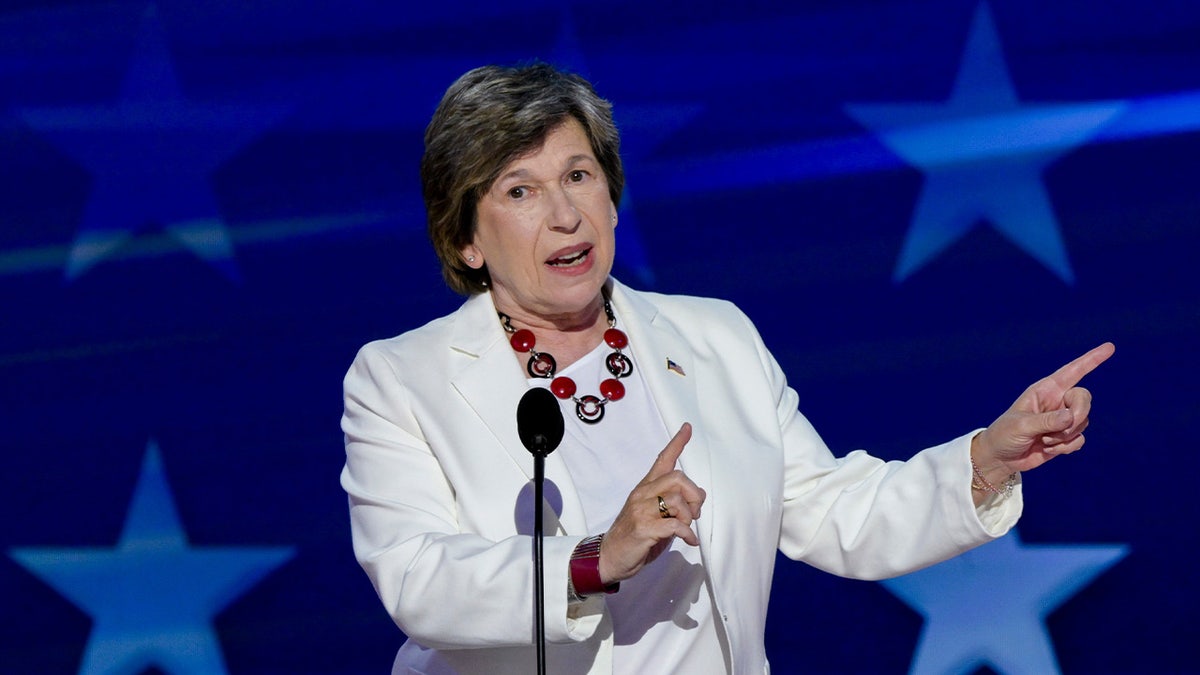
Teachers union head Randi Weingarten and her allies in the education sector assert that Republicans suffered election losses due to their support of school choice. Weingarten stated that voters across the country dismissed the idea of defunding schools and opposed cultural conflicts initiated by the far-right.
In a related development, Texas Democrat Governor-elect Gina Hinojosa criticized school choice in her victory speech. She mentioned her commitment to address the effects of what she termed the ‘Texas voucher scam.’
Texas Democrats have proposed ending scholarship programs benefiting over 100,000 low-income students, despite campaigning on affordability. Notably, many Democratic Senate co-sponsors of this proposal either attended or sent their children to private schools.
Gina Hinojosa made history as the first Latina governor in Texas.
The demand for educational choice remains strong. Over 274,000 students applied for Texas Education Freedom Accounts in the first year, though funding only covered over 100,000 applicants. Thousands remain on the waitlist due to limited resources.
NBC exit polls from recent elections indicate that Republican Greg Abbott maintained steady support from rural voters, receiving 64% to 66% of their vote. This occurred even as his support among the broader electorate shifted leftward.
“Gov. Greg Abbott retained rural support despite adjustments in overall voter alignment.”
Education was not a top priority for voters compared to economic and immigration issues. Even with more than 20 Republican seats flipping to Democrat in the Texas House, only one district in the 30 most rural areas experienced such a change.
Texans showed preference for reducing funding to public schools. They recently rejected nearly $7 billion in proposed school funds, while overwhelmingly approving a property tax increase exemption.
A University of Texas poll showed voters equally trusted both gubernatorial contenders on education. Historically, Democrats enjoyed a significant lead on education issues. The results reflect that Hinojosa’s educational agenda did not significantly sway voters.
A 2024 University of Houston survey indicated substantial support for universal education savings accounts at 69%. Additionally, University of Texas polling demonstrated 60% favorability towards school choice in 2023.
Texas Republican primary voters showed strong support for school choice. In 2024, Glenn Rogers, an incumbent opposed to school choice, lost his primary by a significant margin.
“School choice received broad backing in several counties across Texas.”
A local news op-ed portrayed rural Republicans as aligning with Hinojosa. Later, it was disclosed that the piece’s author’s firm received payment from the Hinojosa campaign, a fact unknown to the paper’s editors.
Contrary to claims that school choice disadvantages rural areas, it provides families with educational alternatives. Historical voucher programs in Maine and Vermont, dating back to the late 1800s, serve as examples. Existing today, these programs aim to extend rather than restrict educational opportunities.
Significantly, states like Mississippi and Alaska saw Senate seats shift to Democrats without universal school-choice programs. The national political shift may reflect broader trends.
The evidence suggests that alignment with school choice could have bolstered Hinojosa’s victory margins. While Abbott’s loss was not due to his stance on school choice, new officeholders might suffer future electoral consequences if they revoke existing scholarships.