Rikers Island Closure Plan Faces Legal and Capacity Challenges
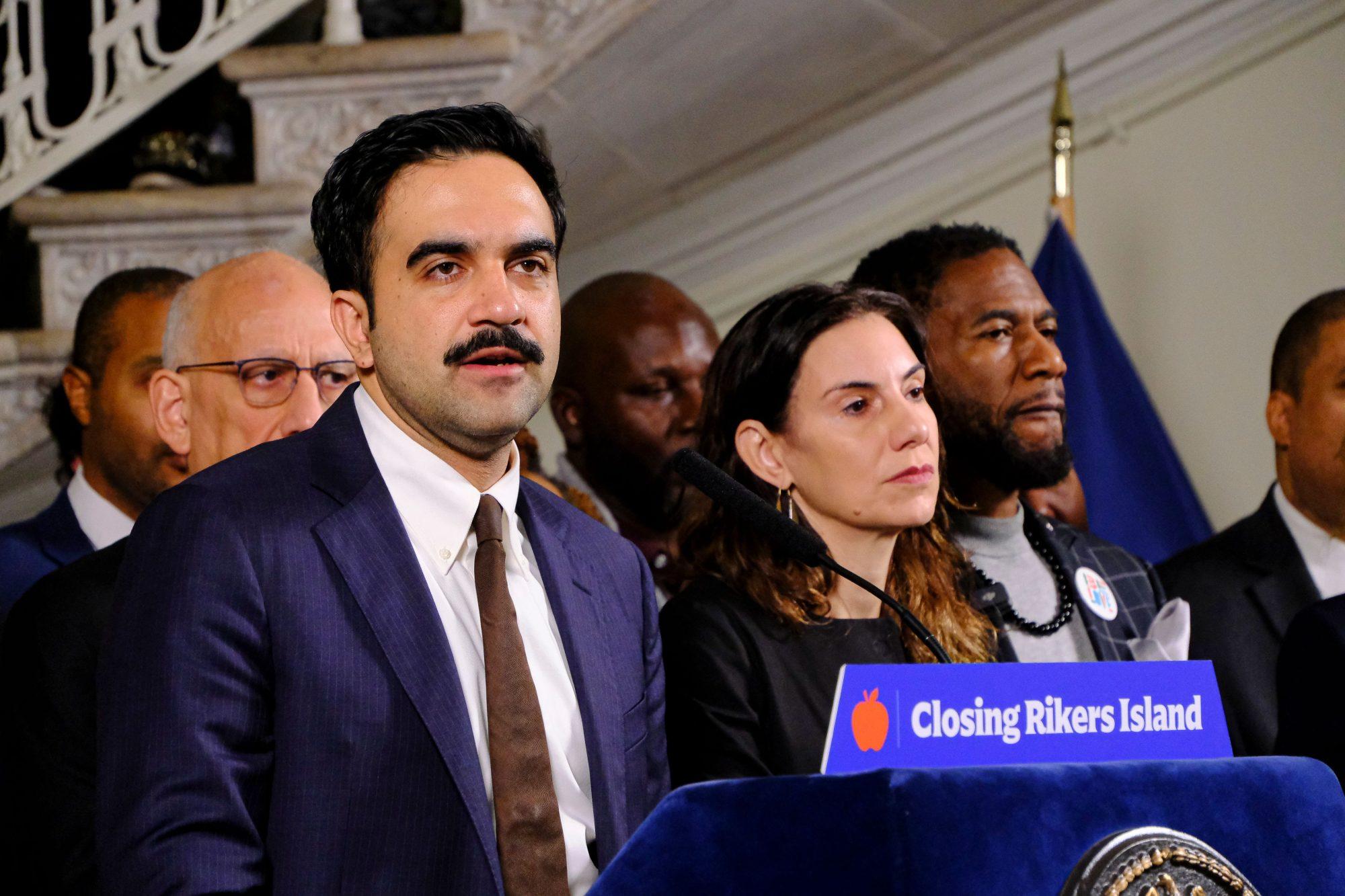
Mayor Zohran Mamdani recently held a press conference on November 20, 2026, to announce plans to delay the closure of Rikers Island until 2032. The City Council previously set a 2027 deadline for shutting down Rikers, which is now being reconsidered. This shift in timeline addresses one legal issue but leaves a larger problem unresolved.
New York state’s Correction Law requires designated or erected replacement facilities before closing current jails. The local law’s 2027 deadline is therefore not enforceable, as Rikers can only close with new jails in place. By extending the deadline, the council avoids conflict with state law.
The more critical legal problem is the capacity of the planned replacement jails. The four new facilities have a combined capacity of about 4,100 inmates, far less than Rikers’ current capacity of around 15,000. The current population exceeds 6,600 inmates. This gap arises from deliberate decarceration efforts. The city’s plan aims to build a network of smaller, safer jails, as emphasized on the mayor’s office website.
State law mandates local jails for the detention and confinement of individuals awaiting trial or serving short sentences. Judges need adequate jail space to detain defendants. If the new jails lack sufficient capacity, the city could face legal consequences, including contempt of court, due to violating judicial prerogatives.
Concerns about inadequate jail capacity extend beyond legal ramifications. The correction officers’ union has voiced warnings about potential dangers to its members and the public. Elizabeth Glazer, the main architect of the closure plan under Mayor de Blasio, criticized the lack of capacity.
Despite awareness of the capacity issue, Mayor Mamdani announced plans for programs to reduce re-arrests and created a task force to speed up pre-trial processes. However, reducing inmate numbers remains challenging. From 2025 to 2026, the average jail stay increased from 87 days to 116 days, showing limited progress.
Fluctuations in jail population depend on factors like crime rates and court management, beyond the city’s control. Even if the population matches new jail capacity, minor increases could trigger a crisis, impacting the entire criminal justice system.
Demanding adequate jail capacity is essential, not to uphold Rikers’ conditions, but to ensure compliance with state law. This is crucial to maintaining a functional criminal justice system.
Christian Browne, an attorney and adjunct fellow at the Manhattan Institute, provided insights into the challenges faced by the city in closing Rikers Island.