Incredible Deep-Sea Shark Encounter Highlights Research Efforts
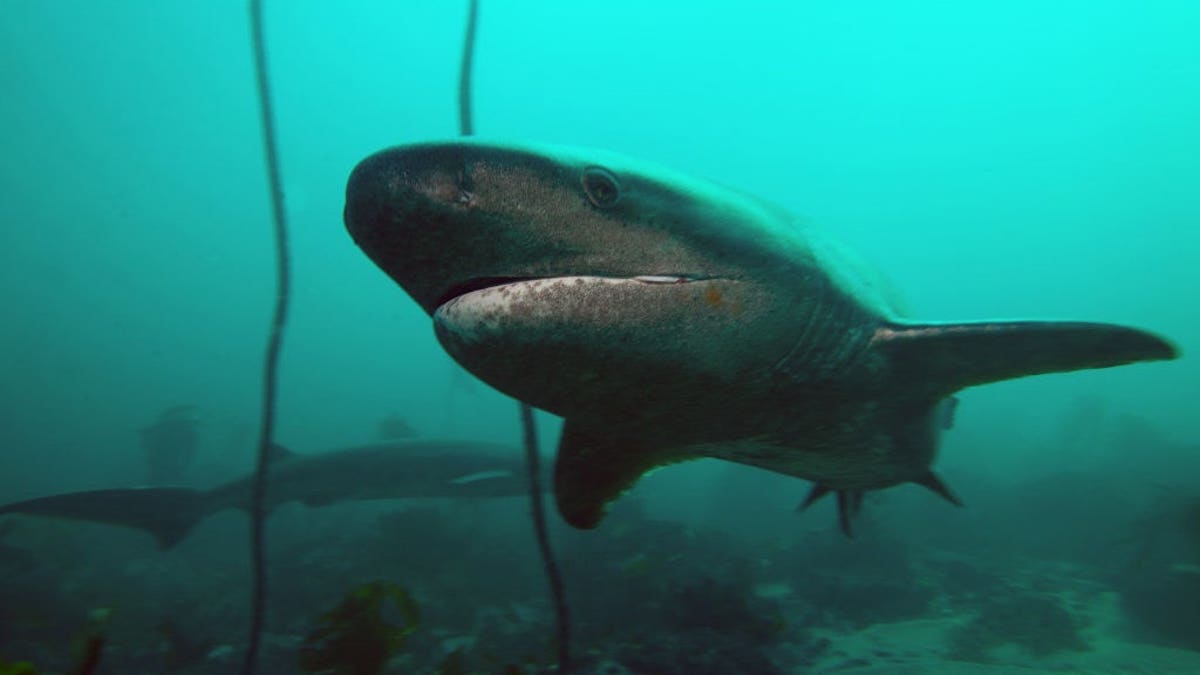
Recently, a video circulating on social media captured a dramatic encounter between a massive deep-water shark and a group of scientists in a submersible. The footage depicts the shark getting remarkably close to the vessel, showcasing its curiosity towards the human researchers as it nears the submersible’s window.
The video, although captivating, is not recent. The encounters occurred in June 2019 about 1,700 feet deep in the Atlantic Ocean near the Bahamas. At one point, the shark approaches the viewing window, pressing its snout against the glass.
The shark in the video is identified as a bluntnose sixgill, a deep-water species reaching up to 20 feet in length. Scientists estimated the female featured in the footage to be about 16-17 feet long.
This encounter took place during an expedition by OceanX, an ocean exploration organization collaborating with marine scientists to study the bluntnose sixgill shark. The main objective was to attach a satellite tracking tag to the shark without bringing it to the surface. This method prevents stress and behavioral changes in the sharks, ensuring more accurate data collection.
The team used OceanX’s submersible, Nadir, along with bait to attract the sharks. After several challenges, including weather and equipment issues, they succeeded on June 29. Scientist Gavin Naylor attached a satellite tag to a male sixgill shark at over 1,700 feet deep. This marked the first successful tagging in its natural habitat.
During the same dive, the team encountered several sharks, including the large female seen in the video. Naylor remarked, “She was studying us. It was fascinating to watch a shark being curious.” This encounter highlights the interconnectedness of human and marine life exploration.
Bluntnose sixgill sharks remain among the largest predatory sharks, though rarely visible due to their deep-sea habitats. They have been recorded at depths nearing 6,500 feet. These sharks are considered “living fossils”, closely resembling species from 200 million years ago. Despite their size, they are not usually a threat to humans, primarily feeding on fish, squid, and marine carcasses.
Our understanding of ocean depths remains limited. Such encounters give a glimpse into the unknown, stirring both fascination and awe about what might dwell in the ocean’s depths.