Researchers Develop Vaccine for Multiple Food Allergies
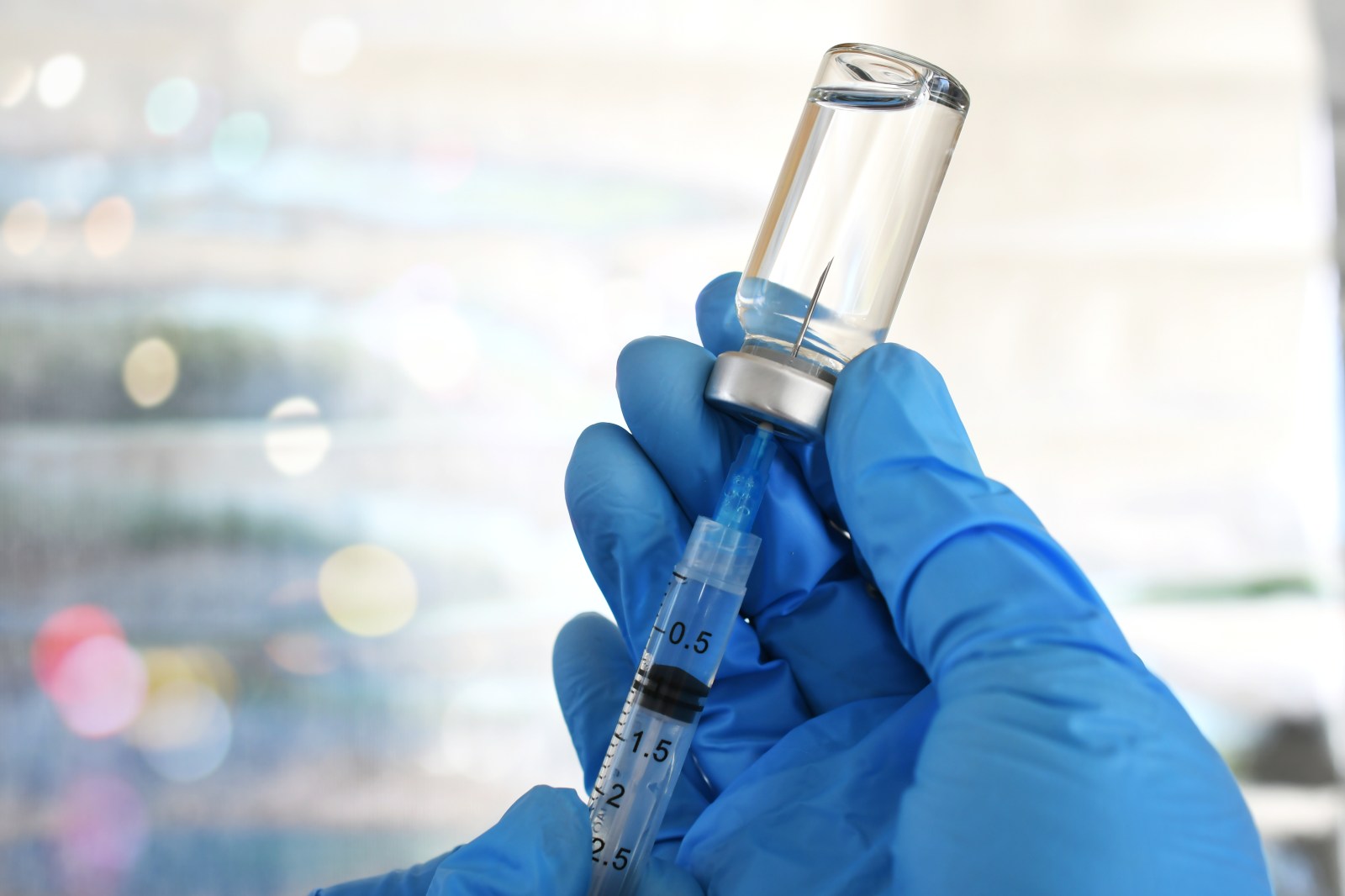
Researchers in Denmark have developed a vaccine to protect against multiple food allergies with a single treatment. This experimental vaccine has shown success in mice, producing antibodies against various food allergens. The team is currently refining the technology and preparing for human trials.
According to the United Nations, over 220 million people globally suffer from food allergies. These allergies arise when the immune system mistakes harmless food proteins for threats, causing reactions from vomiting to potentially life-threatening anaphylaxis.
Current treatments involve gradually exposing patients to allergens to build tolerance, which can be uncomfortable and lengthy. Many avoid allergenic foods altogether. The Technical University of Denmark (DTU) has developed a vaccine with a synthetic allergen targeting related food allergens in items like peaches and nuts. Associate Professor Esperanza Rivera de Torre from DTU Bioengineering explains, ‘If you are allergic to several items with similar structures, we can create an artificial allergen for a vaccine.’
The vaccine utilizes messenger RNA (mRNA) to instruct the body to produce protective antibodies. This method avoids direct allergen exposure. Kristi Miley, a virologist, advises caution as the research is still in early stages. Developing a vaccine targeting multiple allergens is complex and requires careful calculation to avoid adverse effects.
Published in Nature Communications in February 2026, a study tested the vaccine on both healthy and allergic mice. Healthy mice produced large amounts of antibodies after one dose, and after three doses administered every three weeks, they showed a robust antibody response covering numerous allergens. Allergic mice also showed increased antibodies with minimal side effects. The researchers noted that the treatment did not completely protect against anaphylaxis in tested doses.
Laboratory experiments with human allergic patient cells also had promising results. The antibodies from vaccinated mice prevented allergic reactions in human samples. Researchers are now working on improving the vaccine’s formulation, focusing on the lipid particles that carry immune components.
Miley identifies unanswered questions moving from mice to human treatment, including dosing effectiveness and safety. She mentions concerns about allergen-encoding genetic material causing inflammatory responses. The team plans further studies with larger mouse groups to determine optimal dosage and scheduling for protecting against severe reactions like anaphylaxis.
Researchers aim to extend the vaccine’s approach to other allergens, including those in apples, carrots, and hazelnuts. For further information, contact Newsweek editors Kara Dolman and Paul Donnelley.