Influence of Human Lifestyles on Dog Microbiomes
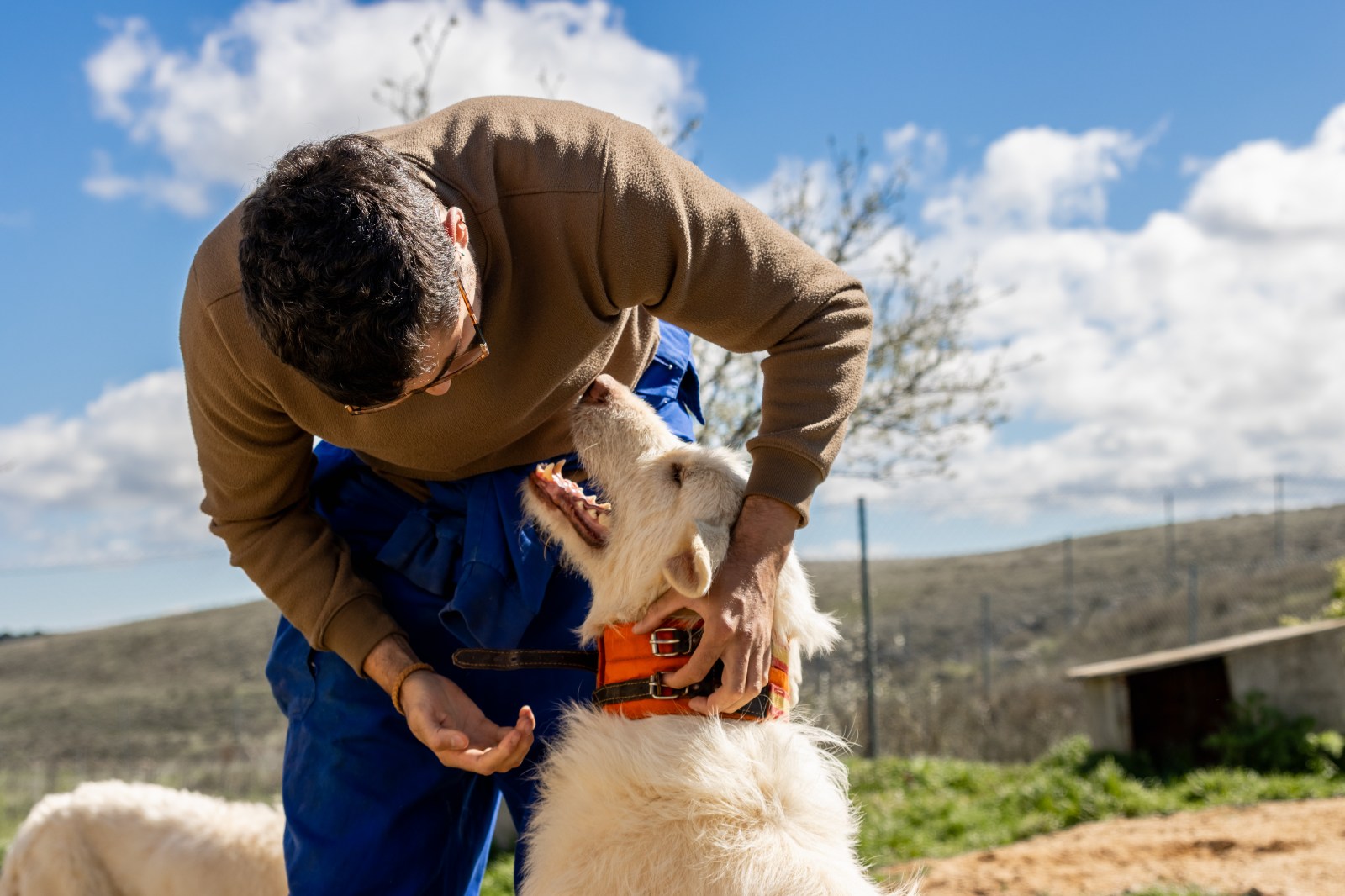
New research suggests human lifestyles may shape the gut microbiome of their dogs more than previously thought. A study published in the journal mSystems analyzed the gut microbiome of over 250 dogs in Nepal, Thailand, the United Arab Emirates, and the United States. Researchers looked at dogs from various lifestyles, including foraging, farming, pastoralist, urban, and industrialized settings. Findings indicate the environments and daily habits shared with humans can influence the bacteria in dogs’ digestive systems.
Aashish R. Jha, co-author of the study and assistant professor at New York University Abu Dhabi, highlighted the importance of diet and environmental exposure. Dogs’ food, indoor or outdoor time, interactions with other animals, and environmental encounters all affect their exposure to microorganisms. Dogs in foraging and agricultural communities may eat household-prepared foods and interact with livestock and soil. In contrast, pets in industrialized areas often consume commercially prepared diets and live in controlled environments.
The study couldn’t pinpoint which specific factor among these is most important due to their tendency to occur together. The gut microbiome is a community of microorganisms in the gastrointestinal tract, including bacteria, viruses, and fungi. In dogs, a balanced gut microbiome aids digestion, strengthens the immune system, and helps manage stress and anxiety. An imbalanced microbiome may lead to diarrhea, nausea, skin issues, food sensitivities, ear infections, and inflammatory bowel disease.
Jha noted the need for caution in using the microbiomes of industrialized household dogs as a universal reference for health. Differences in microbiomes may reflect diet, environmental exposure, and lifestyle rather than health variations. Industrialized settings could significantly alter dogs’ microbiomes compared to those living outdoors or in communities relying on farming or wild resources. Though industrialization may not reduce microbial diversity, it may restructure bacterial communities, whose effects on health remain unclear.
A surprising finding was that industrialization reshapes human and dog microbiomes differently. Geography, including the country and environmental factors like weather, also impacts the gut microbiome. The study suggested that negative human lifestyle factors could similarly affect dogs. Jha cautioned against assuming human gut microbiome findings apply directly to dogs. Differences might not define nutritional needs or responses to medical treatments.
Dr. Ambika Vaid-Sidhu, an integrative veterinarian, emphasized ongoing research on modern lifestyles and dog gut microbiomes. She noted that dogs with limited outdoor time, processed diets, and repeated antibiotic use often have digestive issues like loose stool and gas. The gut influences digestion, immune health, and skin, so it’s essential to monitor gut diversity despite incomplete understanding.
Vaid-Sidhu offered tips for supporting dogs’ gut health. She recommended whole, recognizable ingredients with some fiber, like pumpkin, to promote good bacteria. Daily outdoor activities allowing sniffing help dogs interact with their environment. Gradual diet changes over a week or two are best, and owners should consult veterinarians before using antibiotics or supplements.