Brazil’s Senna Tower: Engineering a New Skyline
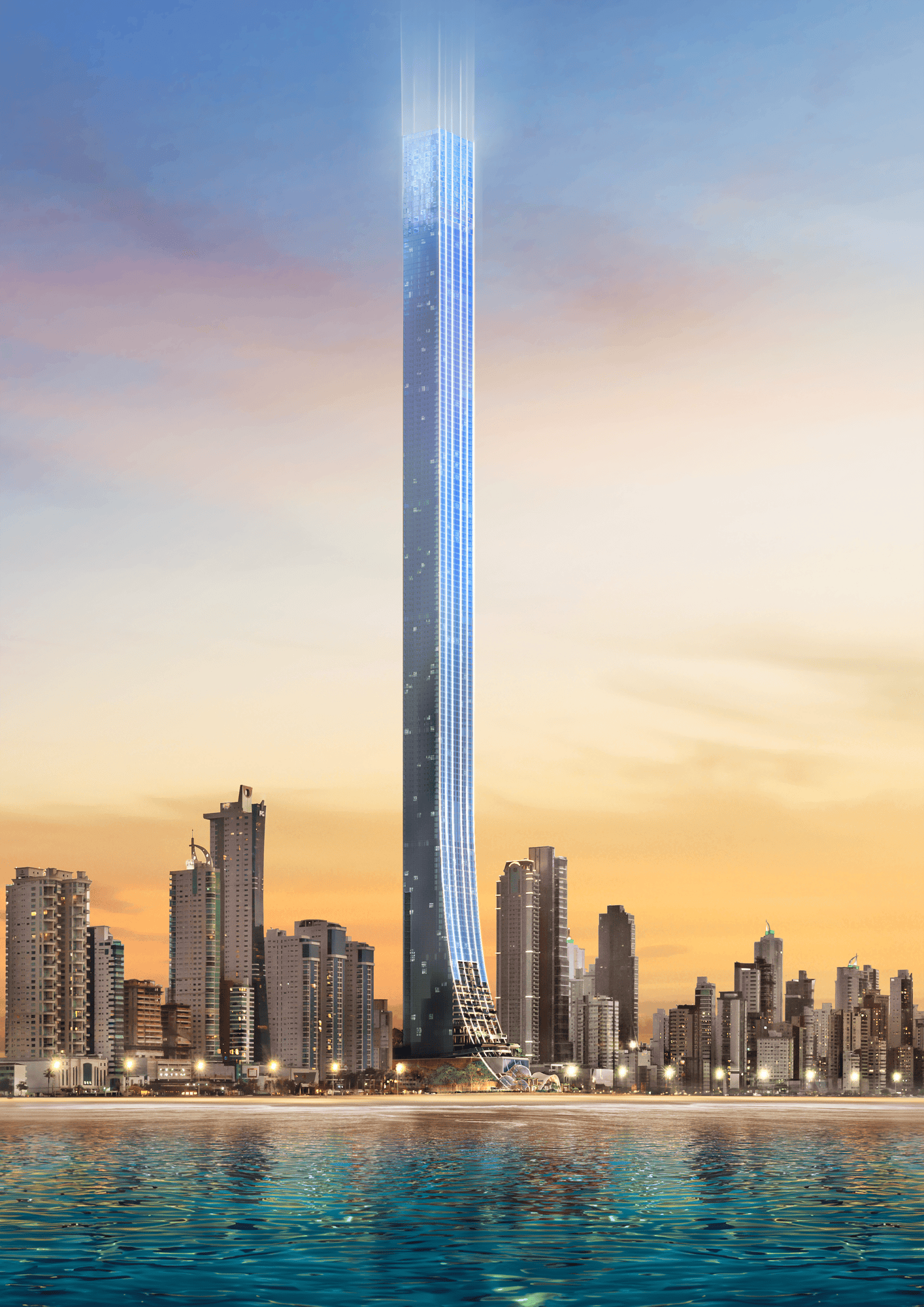
A remarkable construction project is underway in Brazil, aimed at becoming the tallest residential tower globally. This ambitious endeavor, known as the Senna Tower, reaches a crucial phase in its development. Spearheaded by civil engineer Stephane Domeneghini, the tower rises in Balneário Camboriú and will exceed 550 meters in height, setting a new milestone outside of Asia, according to The Skyscraper Center data.
The Senna Tower will surpass One World Trade Center in New York, the tallest in the United States at 541 meters. Fresh footage from November highlights progress on the unique foundation system essential for this massive structure.
The foundation phase required 798 auger cast piles, each 60 centimeters in diameter, extending up to 44.5 meters into the ground, ensuring stability for the superstructure above,shared Domeneghini.
This supports the massive concrete foundation mat, vital for distributing the building’s load. Comprehensive research and testing, conducted over four years by Talls Solutions alongside FG Empreendimentos and expert consultants, were fundamental to this development.
Brazil Joins Global Skyscraper Race
Senna Tower is part of a worldwide trend pushing architectural boundaries. The upcoming Jeddah Tower in Saudi Arabia aims to reach over 1 kilometer, becoming the world’s tallest building. Meanwhile, China’s Tianjin 117 sets records with its elevator system. In the U.S., 2 World Trade Center is underway, promising to rise 1,226 feet, with completion expected by 2031. Florida anticipates its own supertall addition with the Waldorf Astoria Hotel & Residences Miami, which will be the tallest in the southern U.S.
Overcoming Construction Challenges
The site’s challenging coastal geology posed initial design obstacles for the Senna Tower. Engineers developed a unique auger cast pile solution tailored to the site’s sedimentary complexity. This solution underwent rigorous review and multiple design iterations to ensure effectiveness. Notably, Professor Harry Poulos, a leading geotechnical specialist, reviewed the project’s foundation plan.
Logistics present another challenge, with restricted working hours and limited space compounding difficulties. The construction team employs 4D planning tools, enhancing coordination and problem-solving. By the end of the following year, the superstructure should be well underway, with several more years of work anticipated before completion.
For more architectural insights or to contribute stories, contact Newsweek at [email protected]. Editors Mark Vargas and Dave Siminoff are leading this coverage.