Navigate Cold and Flu Season with Expert Guidance
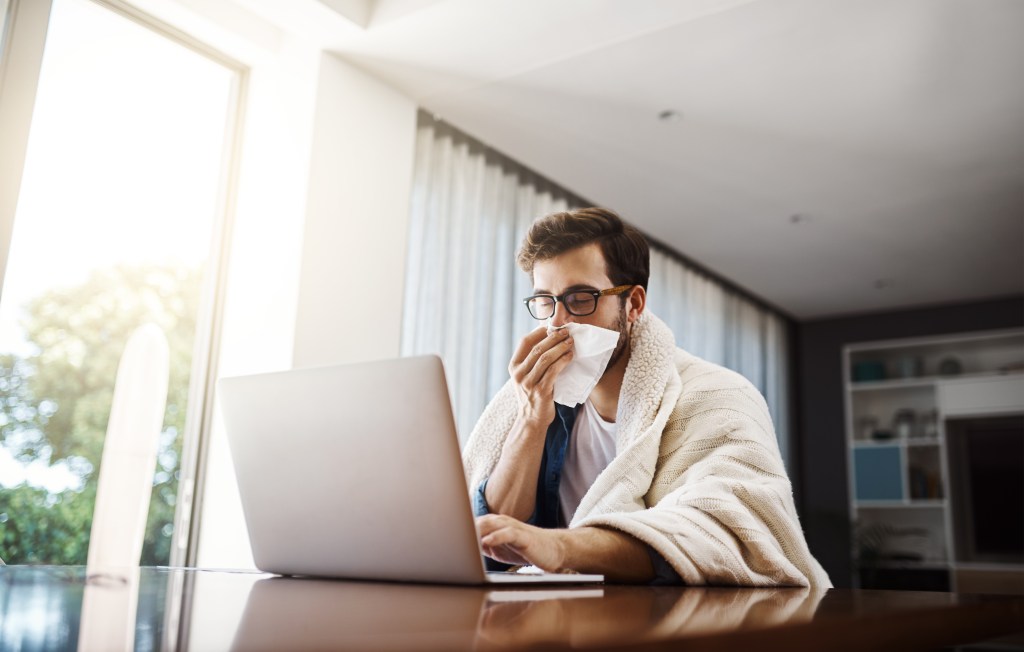
Winter is on the horizon, yet cold and flu season has already begun affecting many. If those around you seem to be falling ill, you are not mistaken. According to the CDC, flu activity is rising in several states, COVID-19 cases are increasing across the US, and common cold viruses are more active. Feeling under the weather might mean you are confronting more than fall allergies. Acting promptly can reduce the severity and duration of sickness.
Dr. Jerrin Bawa, an internal medicine physician at NY Medical, underscores the critical importance of the initial days when feeling sick. Keeping your immune system robust is vital to managing symptom duration. Below, we outline expert strategies to enhance your recovery process.
1. Take a COVID or Flu Test
Testing for COVID-19 or flu not only clarifies which virus you have contracted but also allows for potential antiviral therapy. Dr. Bawa emphasizes contacting your doctor immediately if you test positive. Antivirals like Paxlovid for COVID-19 or Tamiflu and Xofluza for flu can be effective if administered within the first 48 hours, potentially reducing symptoms by 1 to 1.5 days.
2. Prioritize Sleep
Adequate rest is essential for immune support. Lack of sleep, specifically less than six hours per night, increases vulnerability to colds, as Dr. Bawa explains. Sleep not only bolsters immune strength and builds immune memory but also aids energy conservation during illness. Aim for at least seven hours of sleep each night.
3. Stay Hydrated
Maintaining hydration is critical, especially if fever, perspiration, or excess mucus occurs. Dehydration can worsen headaches, fatigue, and body aches. Ample fluid intake helps thin mucus, making coughs and sneezes more effective. Water and hot teas are recommended; teas with slippery elm or marshmallow root can soothe sore throats. Adding honey helps alleviate coughs and sore throats.
4. Modify Exercise Routine
Sweating out a cold is a common belief, but rest is crucial if you experience severe symptoms like a high fever or aches. Light activities may be acceptable for mild symptoms such as runny noses or sore throats, but avoid intense workouts.
5. Consider Supplements
Vitamin C and zinc are popular immune boosters. Vitamin C, though not a cure, may reduce cold durations. Zinc can enhance immune function and metabolism, with studies showing doses of 80-92 milligrams may cut cold length by up to 33%. Use supplements wisely. Chronic zinc use could suppress immunity and deplete necessary nutrients like copper, according to Dr. Bawa.
6. Adjust Your Diet
Avoid pro-inflammatory foods that can exacerbate symptoms, particularly processed or high-fat foods. If experiencing gastrointestinal issues, consume nutrient-rich broths for easier digestion and recovery.
When to See a Doctor?
Consult a physician based on symptom severity and health conditions. High-risk individuals—including those who are pregnant, immunocompromised, over 65, or have chronic health issues—should promptly seek medical advice. Symptoms such as a fever of 103 degrees or greater, severe sore throat, swollen glands, or worsening conditions after 7-10 days necessitate a doctor’s evaluation and possible antibiotic treatment for bacterial infections.