Democrats Face Renewed Debate on Medicare for All Following Midterm Victories
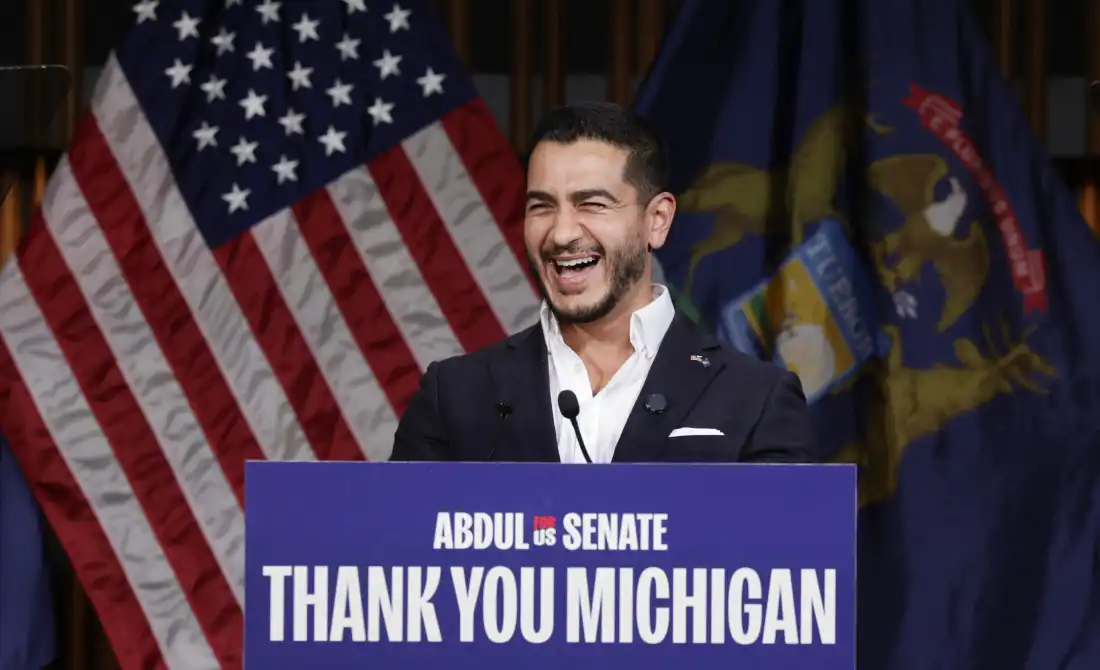
Democratic US Senate candidate Abdul El-Sayed celebrated his win in Michigan’s US Senate race on November 4, 2026. His campaign focused on getting money out of politics and promoting Medicare for All. El-Sayed joins other new senators from Michigan, Maine, Iowa, and Texas, who also emphasized universal healthcare in their campaigns. These candidates aim to address healthcare affordability, a key concern for many voters.
While most officials agree on the need for affordable healthcare, opinions differ on how to achieve it. The Democratic Party is split between supporters of radical reforms like Medicare for All and advocates for incremental changes, such as introducing a public option. Past efforts, like the Clinton health reform in the early ’90s and the Affordable Care Act in 2010, faced similar divisions.
The challenge in achieving Medicare for All lies partly in public perception. Law professor Nicholas Bagley notes that many Americans don’t fully understand the proposal. Similarly, Mollyann Brodie of KFF highlights how public opinion on Medicare for All shifts based on how the policy is described.
Another hurdle is Medicare’s financial instability. The program’s trust fund risks insolvency by 2033, and beneficiaries face rising costs. Adding benefits like dental or long-term care would require higher taxes.
Congressional Democrats must decide their focus: reversing recent healthcare spending cuts by the Trump administration or expanding coverage. With heightened voter expectations, leaders like House Speaker nominee Rep. Hakeem Jeffries express interest in expanding government-funded healthcare.
Even if Democrats pass restoration legislation, potential challenges include a presidential veto and the ideological diversity within their own party. Many new progressive members support Medicare for All, but moderate Democrats might oppose such changes.
A changing public attitude may influence the debate. Compared to past health reform debates, more Americans now support Medicare for All, even at the cost of eliminating private insurance, as noted in KFF’s September poll. The public’s readiness for change could shape the next healthcare reform discussion.