New Anti-Racism Gesture for 2026 World Cup
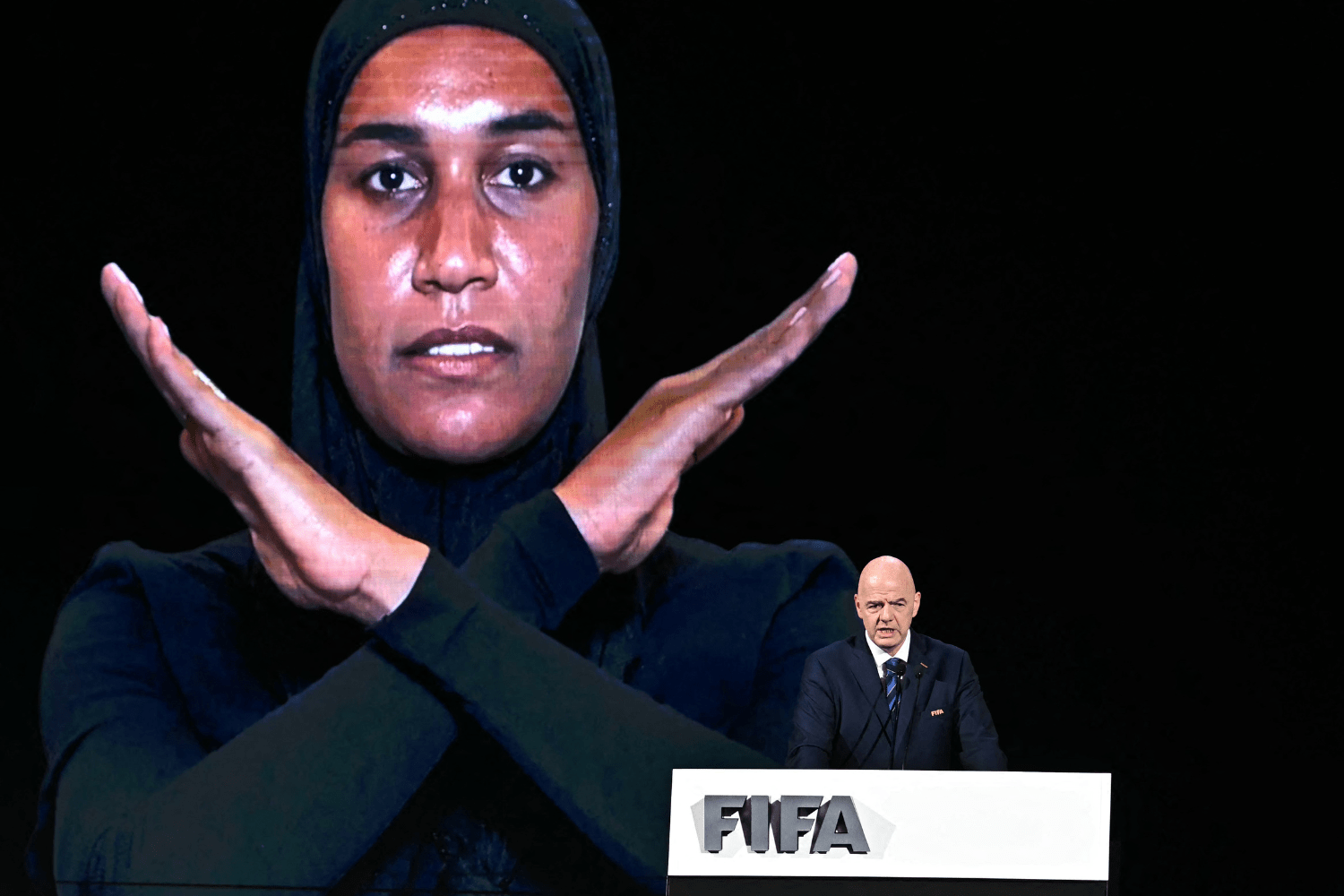
Players at the 2026 World Cup will use a new gesture to report racist abuse during matches. Crossing their arms to form an “X” will activate FIFA’s anti-discrimination protocol, which can lead to match play stopping.
The “No Racism” signal was first introduced at the 2024 Under-20 Women’s World Cup in Colombia. It is now being implemented across FIFA competitions. Soccer’s governing body is under pressure to promptly and visibly respond to racist incidents at major tournaments.
What Happens When the ‘X’ Gesture is Used?
In line with FIFA rules, players, referees, or team officials can use the gesture when witnessing racist or discriminatory actions. The “X” signals officials to initiate soccer’s three-step anti-discrimination protocol.
The first step involves the referee stopping the match and making a stadium announcement to cease discriminatory behavior. If it persists, players may leave the field, and the match could be suspended. If the situation cannot be controlled, the referee has the authority to abandon the game.
FIFA emphasizes that the gesture doesn’t replace existing procedures but serves as a visible trigger for them.
Differences from Previous Approaches
FIFA’s anti-discrimination system has existed for years, but its application often relied on referees spotting abuse or players verbally reporting incidents.
This signal aims to eliminate ambiguity. By providing a universally recognized gesture, FIFA seeks quicker identification and more consistent handling of incidents.
The change follows criticism from players and anti-racism advocates regarding the governing bodies’ previous response to incidents.
This gesture is part of FIFA’s broader strategy to standardize anti-racism enforcement for the 2026 World Cup, taking place in the United States, Canada, and Mexico.
Racism Incidents Prompting the Gesture
Racist abuse has marred major tournaments and high-profile matches in recent years. In 2019, a Euro 2020 qualifier between England and Bulgaria saw England players targeted with racist chants, causing the game to halt twice after stadium warnings were issued.
During the 2022 men’s World Cup in Qatar, FIFA imposed sanctions following discriminatory behavior from supporters.
Such abuse is not limited to stadiums. Online racism also occurred after England’s Euro 2020 final loss to Italy, targeting players like Bukayo Saka, Marcus Rashford, and Jadon Sancho, prompting police investigations and widespread disapproval.