Efforts to Reform the United Nations Under the Trump Administration
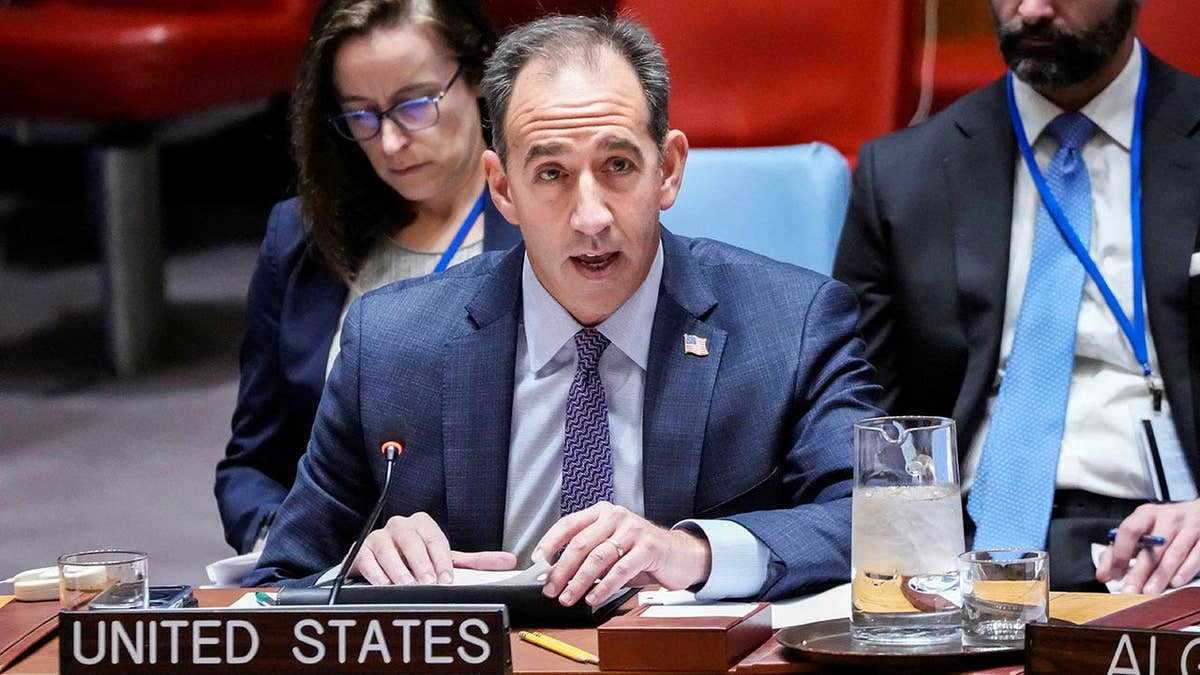
The role of U.S. ambassador for United Nations Management and Reform seemed almost non-existent when Jeff Bartos stood before the Senate Foreign Relations Committee in 2025. His position, nominated by President Donald Trump, faced skepticism due to the immense bureaucracy associated with the U.N.
“UN reform? That’s an oxymoron if I’ve ever heard one,” lawmakers doubted him.
Bartos, a Pennsylvania businessman and former political candidate, took on the challenge. Less than a year later, he believes significant changes have started.
It’s not about budget cuts; it’s about instituting a cultural shift,Bartos said in an interview.
Budget and Structural Changes
Bartos highlighted the achievement of reducing the U.N.’s regular budget by approximately $570 million and cutting 2,900 positions with consensus from all 193 member states. This coordination was unprecedented in the organization’s 80-year history.
Reforms adapt the management of U.N. peacekeeping missions, linking reimbursements for equipment to active deployment rather than mere presence. This change is projected to save around $30 million annually.
The Trump administration’s stance ties financial contributions to continued reforms. The aim is to reshape the organization, focusing on efficiency and reducing perceived bureaucratic excess.
Challenges Within the U.N.
António Guterres, the Secretary-General, acknowledges the liquidity crisis due to delayed member-state payments, including billions owed by the U.S. He insists on structural reforms, warning of financial constraints without timely contributions from members.
The UN80 initiative seeks to streamline mandates and cut duplication, yet Bartos credits U.S. pressure for a change in pace and scope.
The U.N. cannot borrow or print money,Dujarric, a U.N. spokesman, stated, emphasizing fiscal responsibility.
Addressing Bias and Future Leadership
Bartos is also tasked with combating what the U.S. administration views as ingrained anti-Israel bias within the U.N. He argues the structural reform must include dismantling this bias through diplomatic efforts and funding decisions.
Mike Waltz, U.S. Ambassador to the U.N., criticizes the failure to tackle institutional antisemitism, highlighting incidents where Israel has been unjustly targeted.
With Secretary-General Guterres’ term ending in 2026, the search for his successor brings reform discourse to the forefront. Bartos hopes that future leadership will prioritize diminishing bureaucracy and reinforcing fundamental goals.
Personal Motivation and Vision
Bartos’ journey involved balancing professional duties and family commitments, drawing parallels between his past athletic endurance challenges and current administrative tasks. His experiences have shaped his approach to tackling U.N. reforms.
Previously sidestepping political involvement, Bartos returned to contribute post-2023 Hamas attacks on Israel. Motivated by familiar encouragement, he continues his work amidst controversies over balancing competing priorities at the U.N.
The U.N. faces crucial decisions that might redefine its structure and mission, with Bartos acknowledging the long-term nature of these transformative efforts.