Screwworm Infestation in Texas: What You Need to Know
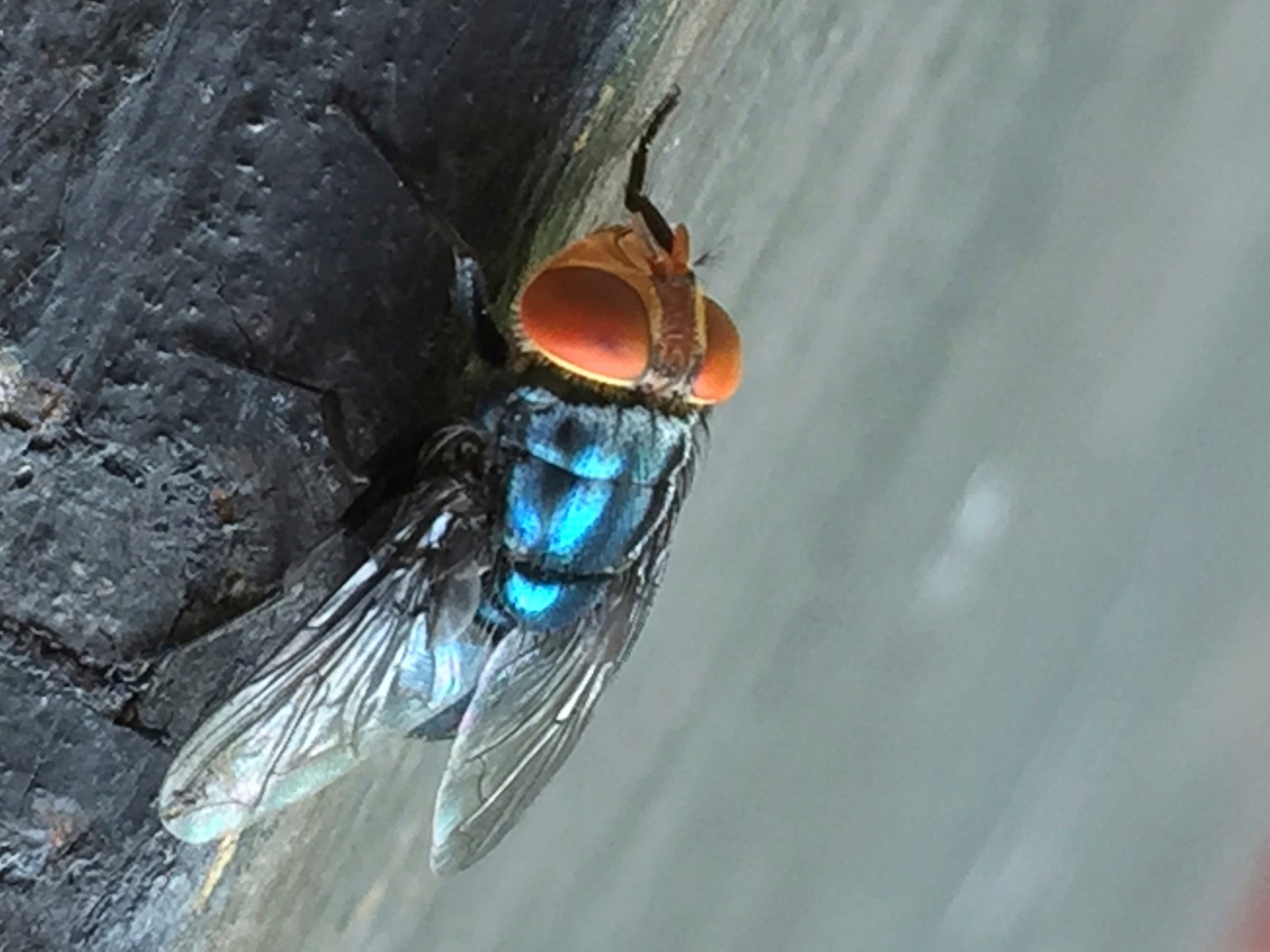
Texas has reported a second case of the New World screwworm, a flesh-eating parasitic fly. The case was found in a calf in Zavala County, not far from the initial case in La Pryor, Texas, near the U.S.-Mexico border. Due to this outbreak, Canada has prohibited livestock imports from the region.
USDA Response and Quarantine Measures
The U.S. Department of Agriculture (USDA), in collaboration with the Animal and Plant Health Inspection Service (APHIS), confirmed this second infestation. Officials are continuing to test other samples from the area, which have so far shown negative results for screwworm.
A quarantine zone has been established by the USDA around these cases. Animal movement is restricted within this zone unless inspected.
Breaking the Reproductive Cycle
Screwworms were first detected in Mexico in 2024, following years of confinement in Panama. Efforts by federal and state officials have aimed to prevent the parasite from reaching Texas, a critical state for the cattle industry.
The Texas government, led by Governor Greg Abbott, has expanded a statewide disaster declaration. This move authorizes additional state resources to aid in controlling the outbreak. Efforts include releasing sterile flies and constructing necessary facilities to disrupt the parasite’s reproduction.
“We have eradicated this pest before, and we will do it again,” Abbott stated.
Canada’s Temporary Livestock Ban
The Canadian Food Inspection Agency (CFIA) responded by imposing a temporary livestock import ban on animals from Texas. This includes those present in Texas within 21 days before arriving at the Canada-U.S. border.
While Canada’s climate is inhospitable for screwworms long-term, they could survive briefly during summer. CFIA advised awareness for signs of screwworms, emphasizing vigilance among animal owners and veterinarians.
Understanding Screwworms
New World screwworms are parasitic flies whose larvae consume living tissue, leading to severe wounds. Female flies lay eggs in wounds or body openings, where their maggots consume healthy tissue, differentiating them from typical flies.
Transmission and Symptoms
Screwworms spread mainly through infested animals’ movement. Affected livestock can impact wildlife, pets, and on rare occasions, humans. Symptoms include painful, worsening wounds with potential foul odors and visible larvae. Left untreated, animals face severe damage and possible death.
In humans, screwworm infections may cause painful skin lesions and a sensation of movement within the wound. Fever and chills could occur if infections worsen.
Monitoring Pets for Screwworms
Pets like dogs and cats are susceptible to infestation. Pet owners should monitor for wounds that worsen instead of healing. Key symptoms are persistent licking, biting, discharge, or visible larvae.
Veterinarians emphasize early detection and treatment, especially for pets from risk-prone areas. Sally DeNotta, an equine internal medicine and infectious disease expert, advises prompt veterinary consultation for suspicious wounds: “Visual inspection is the primary way infected animals are identified. Early treatment reduces the spread.”