The Future of Trump’s Political Influence
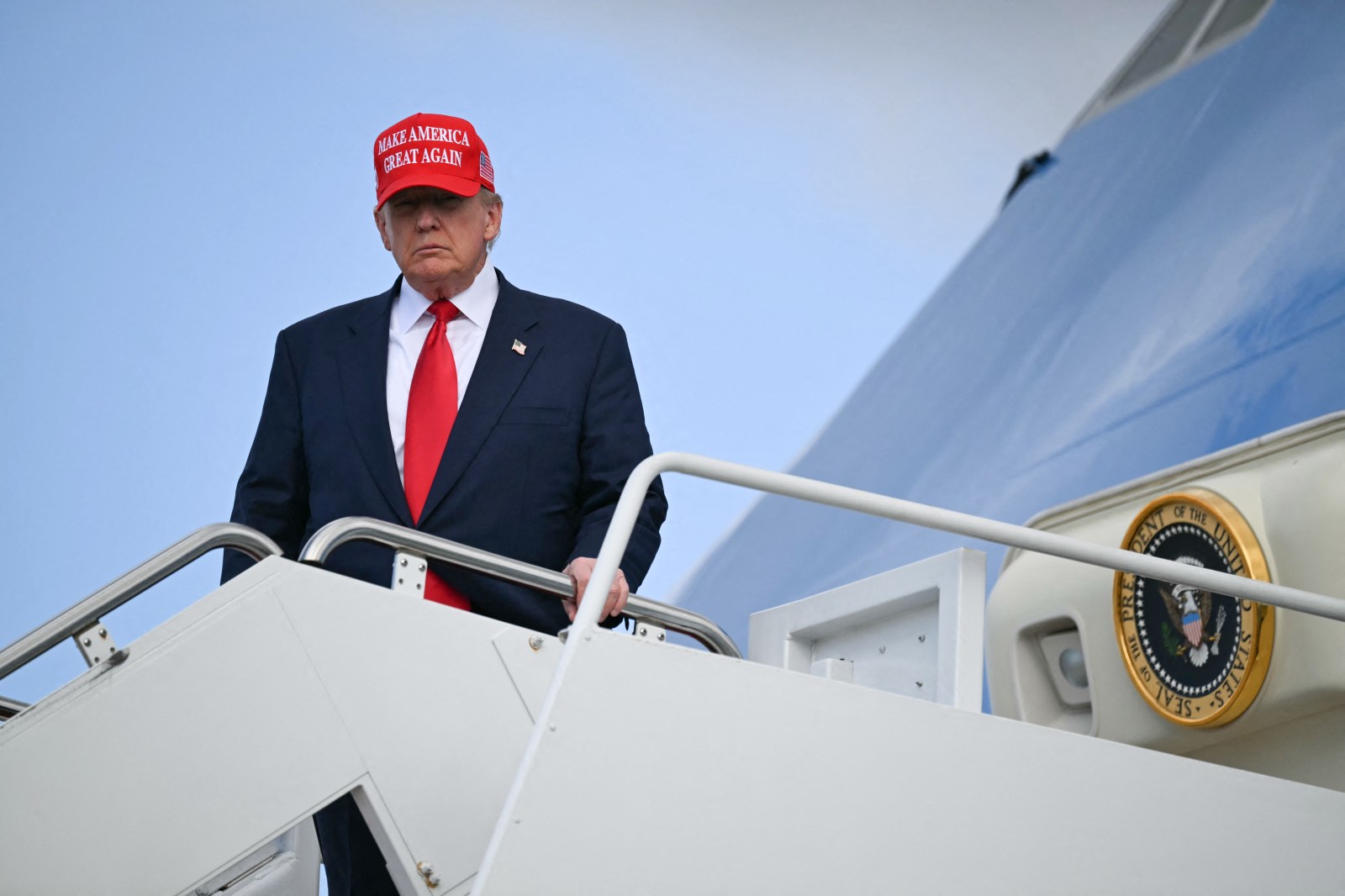
After supporting Donald Trump in three elections, I initially believed his coalition had the potential to reshape American politics for a generation. However, recent developments raise questions about the lasting impact of his legacy.
This week, Trump appointed Bill Pulte, a housing official with no intelligence background, to oversee the nation’s spy agencies. This decision prompts a critical inquiry: What remains of Trump’s legacy if he willingly undermines it?
Trump aimed not just to win elections, but to create a lasting, working-class, multiracial coalition to transform the Republican Party. His ambition was similar to Ronald Reagan’s, who redefined the Republican Party for a generation.
Challenges facing Trump’s legacy arise from his administration’s inward focus. They’re engaging in battles that energize certain supporters but do not create lasting change. Actions like renaming the Kennedy Center, banning transgender people from military service, and engaging in tariff conflicts appeal to a certain base but achieve little for the wider electorate who helped re-elect him. This approach may result in a second term with more controversies than the first.
Some court battles have ended in failure. For example, a judge reversed Trump’s decision to rename the Kennedy Center, citing only Congress can do so. Similarly, courts blocked the military’s transgender ban, labeling it as discriminatory. Legal defeats like these highlight the risks of actions lacking solid legal foundations.
Self-inflicted political damage is another issue. Popular ideas like voter ID laws faced setbacks. Trump pushed the SAVE Act yet knew it would not pass the Senate, leading to political casualties like John Cornyn. Cornyn supported the bill, but not quickly enough for some Trump loyalists. This reflects Trump’s prioritization of personal loyalty over party interests.
Trump supported figures like Ken Paxton, a scandal-ridden attorney general. While Paxton won the nomination, it turned a secure Senate seat into a competitive race for Democrats. This strategic issue reveals that Trump requires votes to advance his agenda. Those senators he has alienated now hold leverage against him.
Bill Pulte’s appointment illustrates a pattern. Though experienced in housing, he lacks intelligence community credentials. Pulte aligns ideologically with Trump, which appears to be the qualification of choice.
The broader risk is that movements centered on a single individual often do not survive beyond them. The Tea Party struggled due to a lack of central leadership, while ‘MAGA’ faces the opposite problem—it relies solely on Trump. A movement unable to name a successor may not represent realignment.
Reagan’s legacy included optimism and a strong party structure, accompanying the idea of ‘speak no ill of a fellow Republican.’ Trump’s focus appears different, emphasizing conflict and loyalty. This method may secure victories, but questions remain about its potential as a lasting legacy.
Currently, Trump retains a unique coalition he built himself. He demonstrated the ability to win. The outstanding question is whether he can govern in a way that establishes a durable legacy. Those who believed in a generational impact worry the outcome may be a legacy marked by fleeting victories and missed opportunities, overshadowed by the lack of succession planning.
Melik Abdul is a public affairs expert and Republican strategist based in Washington, D.C. The opinions presented in this article are his own.