Cognitive Behavioral Interventions Enhance Violence Reduction Efforts in Chicago
Chicago recorded its lowest number of violent crimes in 60 years last year. While this is positive news, challenges persist this year. Homicides in Chicago rose by 7%, contrasting with declines in other cities. The onset of summer often sees a spike in violence. Budget constraints compound the issue as federal pandemic relief has ended, and remote work continues to affect downtown businesses. Thus, efficient spending is crucial.
Chicago recently allocated $100 million to community violence interventions (CVI). CVI focuses on preventing interpersonal conflicts, key drivers of shootings. Strategies include street outreach, mentoring, jobs programs, and case management. Another valuable method is cognitive behavioral intervention, adding depth to CVI efforts.
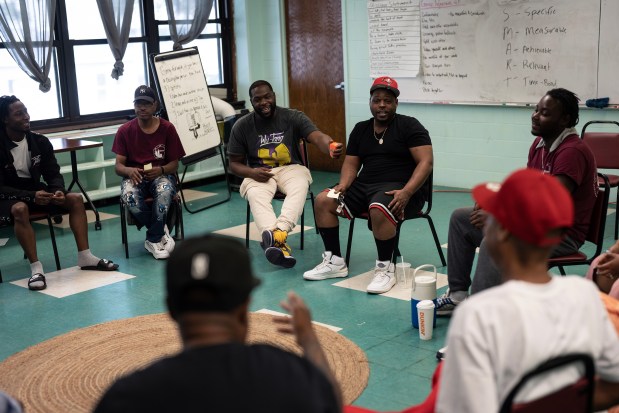
A study from READI Chicago, a significant CVI program, involved interviews with 99 men from high-violence neighborhoods. Participants, many arrested or injured, received support for 18 months, including jobs and cognitive interventions. Key insights emerged about violence and how past experiences shape reactions.
Observed Patterns
Three patterns highlighted how past violence affects behavior:
- **Victim Perspective Shift**: Violence survivors often misinterpret situations. One individual described increased suspicion after being shot, projecting threats where none existed. Cognitive interventions helped him reassess such interpretations.
- **Limited Response Options**: Chronic exposure narrows perceived responses. One participant’s first thought after a friend’s murder was revenge. Through READI, he recognized alternatives and reconsidered retaliatory actions.
- **Identity and Self-Perception**: Individuals often internalize violence, believing themselves inherently violent. READI helped one man reframe this view, acknowledging harsh experiences without defining himself by them.
These patterns aren’t moral failings but natural reactions. Cognitive interventions encourage reflection, assisting individuals in aligning actions with personal values.
READI’s broader effect was significant. Seventy percent of participants saw the program as an opportunity for personal growth, not just crime deterrence. This indicates transformation in self-perception and future potential.
Statistical evidence supports the effectiveness of these interventions. A controlled trial of READI showed a 65% decrease in shootings and homicide arrests. Though costing $60,000 per participant, the program saves society up to $18 per dollar spent through reduced medical and legal costs.
Programs like Becoming a Man (BAM), Choose to Change, and One Summer Chicago Plus have similarly reduced youth violence. Street outreach workers already use some cognitive strategies intuitively. To enhance outcomes, structured and quality implementation citywide is advisable.
This approach offers a timely, budget-effective solution for violence reduction. It’s an actionable strategy for Mayor Brandon Johnson to consider.