A Family’s Struggle with Meckel-Gruber Syndrome and IVF
In 2016, Ansley Van Epps and her husband were thrilled to learn they were expecting their first child, a boy. They envisioned a happy future, celebrated a gender reveal, and prepared for his arrival. But at a 20-week anatomy scan, their dreams shattered.
Doctors diagnosed their baby with Meckel-Gruber syndrome, a rare genetic disorder that is always fatal. His organs were severely affected, and necessary parts of his skull had not developed. Faced with this heartbreaking news, they made the harsh decision to terminate the pregnancy for medical reasons.
Further testing revealed that both Ansley and her husband were carriers of this condition. Each future pregnancy carried a 25% risk of being affected. When they chose to try for another child, doctors suggested in vitro fertilization (IVF) with preimplantation genetic testing for monogenic disorders (PGT-M). This test screens embryos for specific inherited conditions before they are transferred.
Initially hesitant, fearing the invasiveness and cost of IVF, the couple decided it was their best option after a year of trying to conceive naturally without success. They placed their hopes in scientific advancements.
Over three IVF rounds, they created 20 embryos. Most had genetic issues or were affected by Meckel-Gruber syndrome. However, four were unaffected, and one was a carrier but not expected to develop the disease. Feeling relieved, they proceeded.
In 2019, Ansley transferred one of the unaffected embryos, leading to the birth of healthy identical twins. Yet, life remained challenging. At four months, one daughter began having epileptic seizures. At 16 months, a brain tumor was discovered and removed; she recovered.
Years later, they transferred the carrier embryo, yet faced devastation again. At 17 weeks pregnant, their unborn son, Everston, was diagnosed with Meckel-Gruber syndrome. Despite the embryo being cleared for this condition, the unexpected happened. Losing Everston after spending over $100,000 added to the heartbreak.
The couple continued their fertility journey by transferring remaining embryos without success. Three additional IVF rounds also failed to produce a viable embryo.
Explaining the situation to their children was tough. Publicly sharing the news was difficult, but necessary. Ansley began sharing her experiences online after losing her first son, seeking connection and support.
Families with Meckel-Gruber syndrome often feel isolated. Ansley received messages from other parents dealing with the same diagnosis. She emphasizes that while her experience with failed PGT-M testing is rare, it underscores the challenges and uncertainties involved.
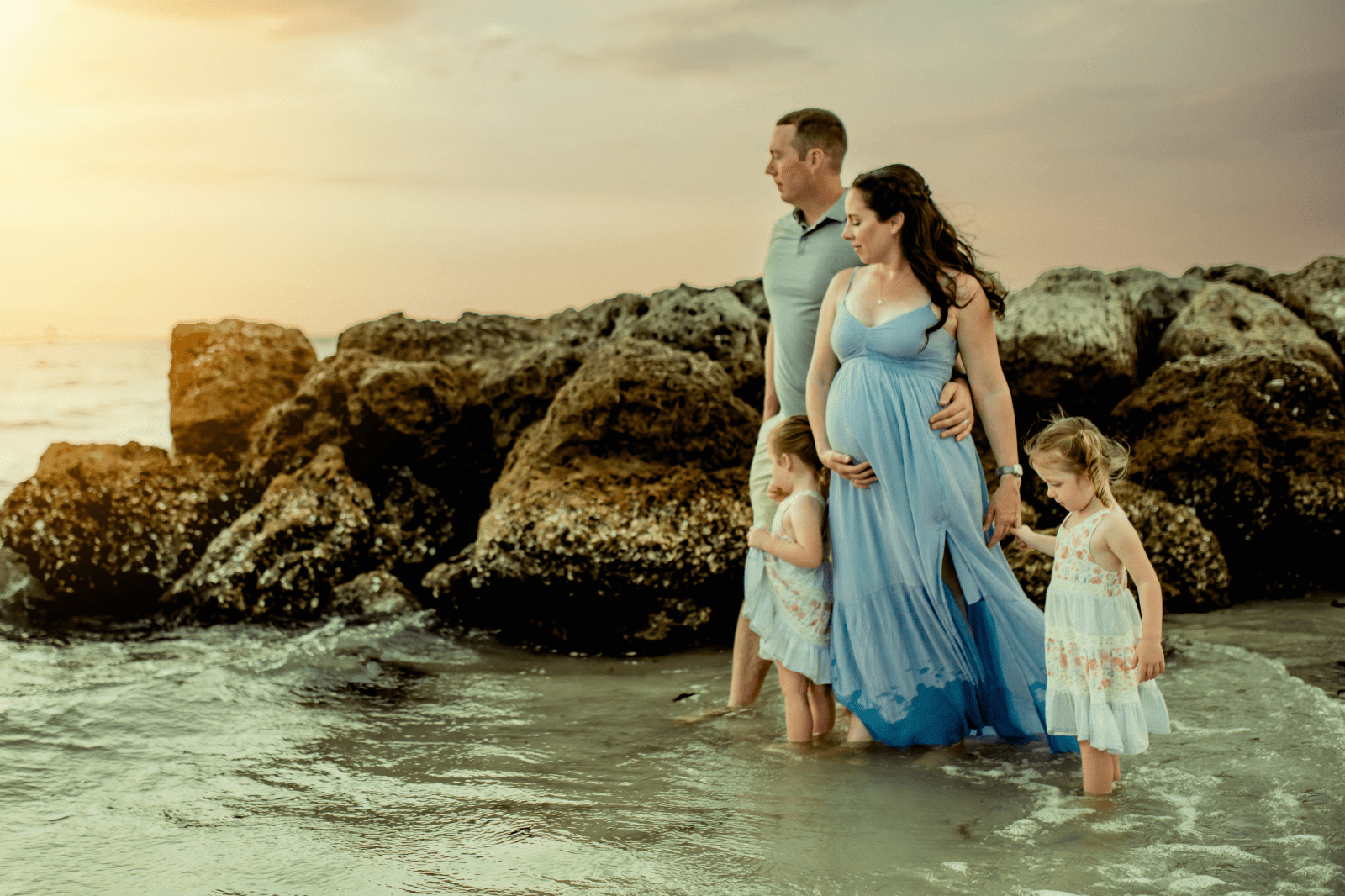
Today, Ansley reflects on embryos never transferred and the results they trusted. She hopes no other family endures such a loss. Ansley, a newborn photographer, lives in Tampa, Florida, with her husband and twin daughters, sharing their lives on social media.