Abdul El-Sayed’s Senate Race and the Crucial Role of Black Voters
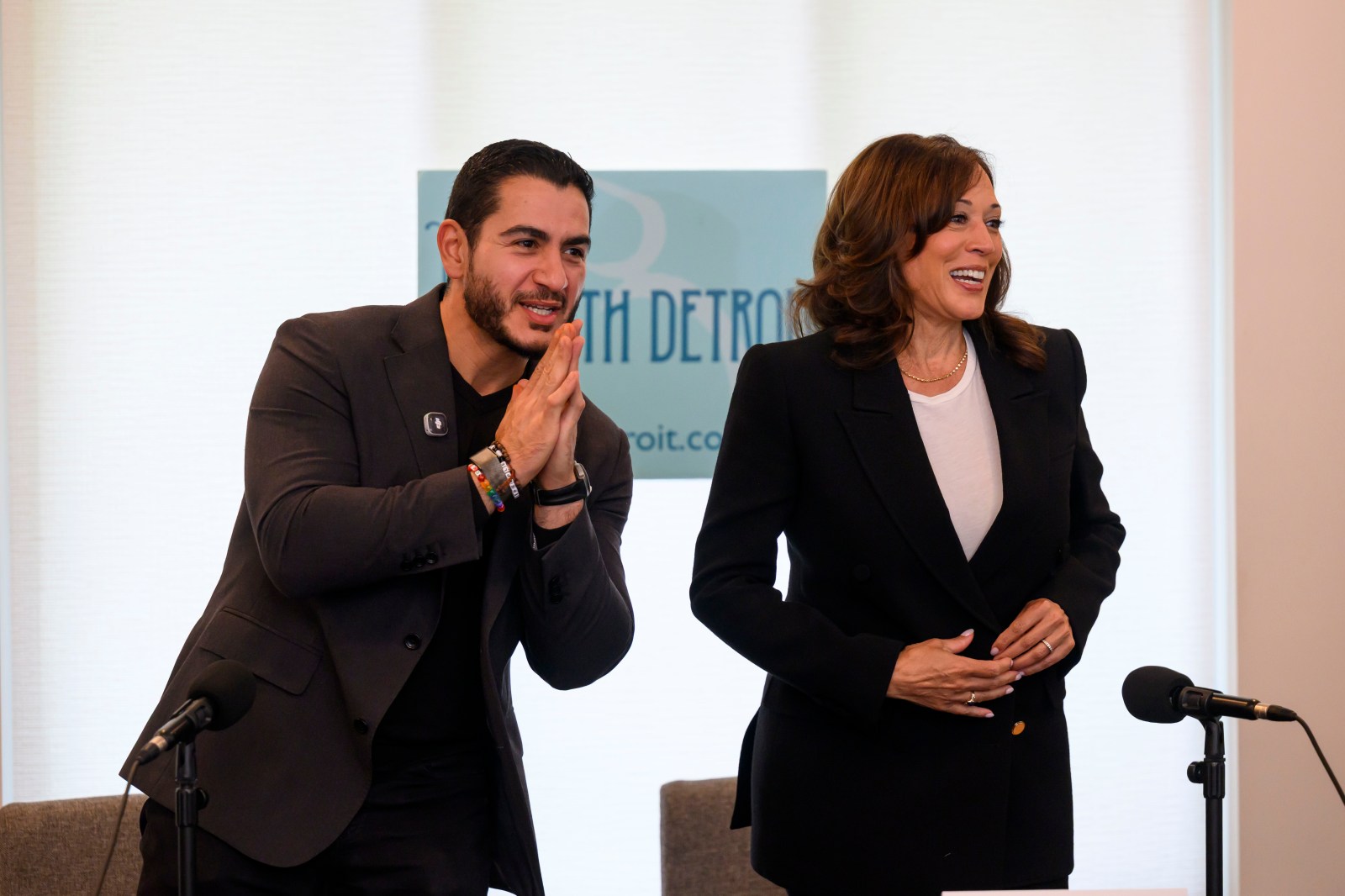
Abdul El-Sayed, the Democratic candidate for the Michigan Senate, faces scrutiny over his appeal to Black voters as the midterm election approaches. The outcome in Michigan could significantly impact the Democratic Party’s quest to reclaim Senate control, with Democrats needing to gain four seats. Failing to retain the seat vacated by retiring Senator Gary Peters could hinder those efforts.
The Importance of Black Voters
Historically, Black voters have been crucial to Democratic successes in Michigan, a key Midwest battleground. Any decline in their turnout or support could be decisive. Recent polls indicate El-Sayed has strong backing from Black voters, but his support appears lower than what other leading Democrats received in past election cycles.
Polling Insights
A Data for Progress poll, conducted from October 23 to 25, shows El-Sayed has the endorsement of 82% of Black likely voters, compared to 15% for Republican Mike Rogers. This contrasts with Kamala Harris’s 87% support from Black voters in the 2024 presidential election and Elissa Slotkin’s 85% in her Senate race against Rogers.
These figures suggest El-Sayed might not match previous levels of Black support seen for Democrats. However, Data for Progress also found him outperforming Jocelyn Benson, the Democratic gubernatorial nominee, who garnered 79% support among Black voters.
Demographics and Political Dynamics
Michigan’s Black population stands at approximately 1.4 million, about 13.9% of the state’s total population of 10.1 million. This community plays a pivotal role in areas like Detroit, Wayne County, Flint, Pontiac, and Saginaw. Close margins in statewide elections mean shifts in Black voter turnout or preference can have a substantial impact.
For example, Donald Trump narrowly won Michigan by about 10,700 votes in 2016, while President Joe Biden flipped it in 2020 with a margin of roughly 154,000 votes. Black voters accounted for around 11% of Michigan’s electorate in 2024.
Challenges and Strategies
El-Sayed’s primary win over Representative Haley Stevens was marked by divisions. Stevens, with considerable African American support, especially in Wayne County, suggested El-Sayed address Black voter concerns more directly. Despite the tensions, Stevens supports El-Sayed, although some worry about reduced voter enthusiasm following the primary.
Endorsed by progressive figures like Bernie Sanders, El-Sayed champions healthcare affordability and economic equality. His campaign efforts include support from notable Black Democrats such as Barack Obama and Kamala Harris. Former President Obama appeared alongside El-Sayed in Detroit on October 24, underscoring the significance of Black support in Michigan.
Senate Race Dynamics
While El-Sayed concentrates on Detroit and Black communities, Rogers has also targeted these voters with policy proposals on housing, employment, and food access. El-Sayed argues Rogers’ support of Trump could alienate Black voters.
Polling suggests El-Sayed leads Rogers statewide in likely voter support. A CNN/SSRS survey (October 20–27) placed El-Sayed ahead by seven points, while Data for Progress and Marist polls showed smaller leads. These surveys aggregate to a lead for El-Sayed, but the exact advantage remains uncertain.
CNN found that 95% of Democratic likely voters back El-Sayed, hinting at a post-primary consolidation among Democrats.
The Broad Impact of Michigan’s Results
The Democratic Party’s chances of gaining Senate control hinge on states like Michigan. With Peters retiring, losing his seat demands victories in tougher states to achieve a Senate majority. Although opportunities in other states have emerged, Michigan’s outcome is critical for the broader Democratic strategy. Ensuring strong turnout among traditional Democratic voters, especially Black voters, is essential for El-Sayed.