Addressing Children’s Concerns After School Shootings
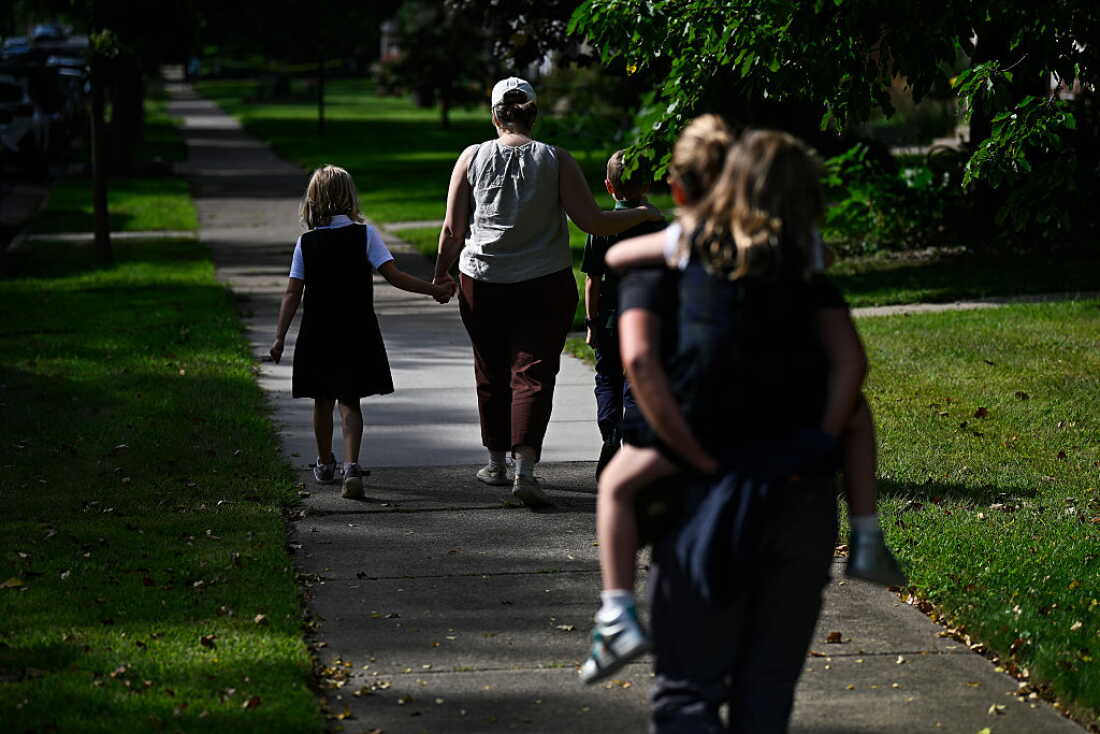
Families left Annunciation Catholic School in Minneapolis after a tragic event on August 27. The aftermath of a mass shooting is a harsh reality for parents. They want to reassure their children it won’t happen at their school, but the truth is, it might.
School shootings in the U.S. have increased significantly in recent years. Data from the American Academy of Pediatrics and CNN shows disturbing trends. CNN reports 44 school shootings this year alone. The Washington Post reveals over 400 shootings since 1999’s Columbine tragedy.
Communicating With Children
In the wake of incidents like the Minneapolis shooting, children need support. David Schonfeld, pediatrician and director at the National Center for School Crisis and Bereavement, offers advice. Start by asking children what they’ve heard. He stresses the importance of understanding their questions, which differ from adults’.
“Before offering reassurance, understand their concerns.” – David Schonfeld
Schonfeld’s group has guidelines for discussing tragic events with children. Kids often ask about blame, prevention, and whether it could occur at their own school. Honest answers are crucial for building trust.
Providing Age-appropriate Information
The amount of information shared should match a child’s age and emotional state. Experiences with trauma or the proximity of the tragedy can also influence their reactions. Parents should be prepared to help children process these events over time.
Melissa Brymer, director at UCLA-Duke’s National Center for Child Traumatic Stress, highlights the importance of patience. Young children may need to revisit these discussions multiple times.
“When we don’t open the door, it becomes a taboo topic.” – Melissa Brymer
Resources and Coping Strategies
The American School Counselor Association offers resources to help after shootings. They recommend maintaining routines for a sense of security. Limiting media consumption is also advised. Seeing the same tragic news repeatedly can heighten anxiety without providing new information.
Parents are encouraged to discuss coping strategies with their children. Brymer suggests books like “Once I Was Very Very Scared” by Chandra Ghosh Ippen for younger audiences. This book aids in understanding different coping mechanisms.
Channeling Emotions Into Action
For older children, converting emotions like anger or anxiety into action can be beneficial. Schonfeld notes that anger towards a shooter doesn’t alleviate grief. Engaging in initiatives against gun violence, like Marjory Stoneman Douglas High School students did, can be more productive.
“While it didn’t solve everything, it made a difference.” – David Schonfeld
Encouraging children to participate in solutions, alongside adults, is crucial. Continued conversations with kids foster an environment where they feel comfortable sharing worries.
“Talking about these events helps with future difficult conversations.” – David Schonfeld
The uncertainty of these situations is daunting. But meaningful dialogue remains a vital part of supporting and guiding children through these challenges.