AI and Its Potential Impact on Human Longevity
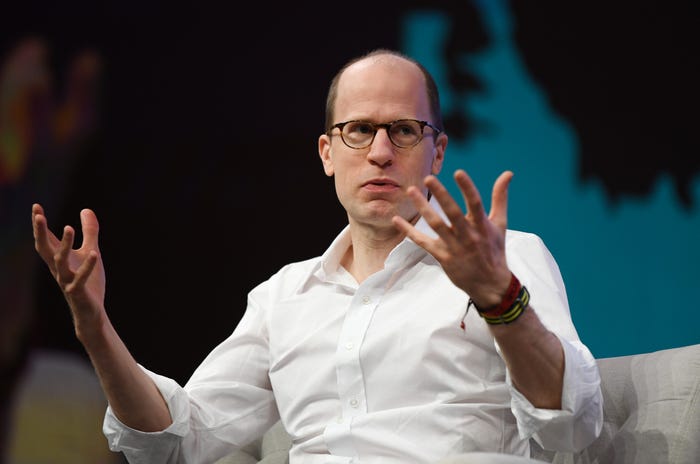
Nick Bostrom, a Swedish philosopher and former professor at Oxford University, suggests that advances in Artificial Intelligence (AI) could enable humans to live significantly longer. Speaking on the A16z podcast, Bostrom expressed that humans might achieve lifespans extending over a millennium if AI can drive breakthroughs in biomedical and anti-aging research.
Bostrom elaborated, “If you think about what our life expectancy would be without aging, it could reach about 1,200 to 1,400 years.” He believes this is a conservative estimate, as AI might also reduce other mortality risks, such as accidents.
Bostrom, known for his work in human enhancement and emerging technologies, founded the Future of Humanity Institute in 2005. Though the institute closed in 2024, Bostrom’s insights remain influential in discussions about technology and longevity.
This discussion arises amid debates concerning AI safety. Many researchers advocate for a more cautious approach to AI development to ensure alignment with human interests. Bostrom acknowledges the complexity in balancing rapid AI progress with the need for safety. “We could potentially build AI more securely by taking additional time in its development,” he stated.
He continued, pointing out the dilemma faced: delaying AI development might reduce related risks, yet millions of people die each year due to existing limitations.
The conversation about AI and human longevity continues, reflecting both the hope and the challenges in leveraging technology for extending human life.