AI Data Centers Strain U.S. Homebuilding Workforce
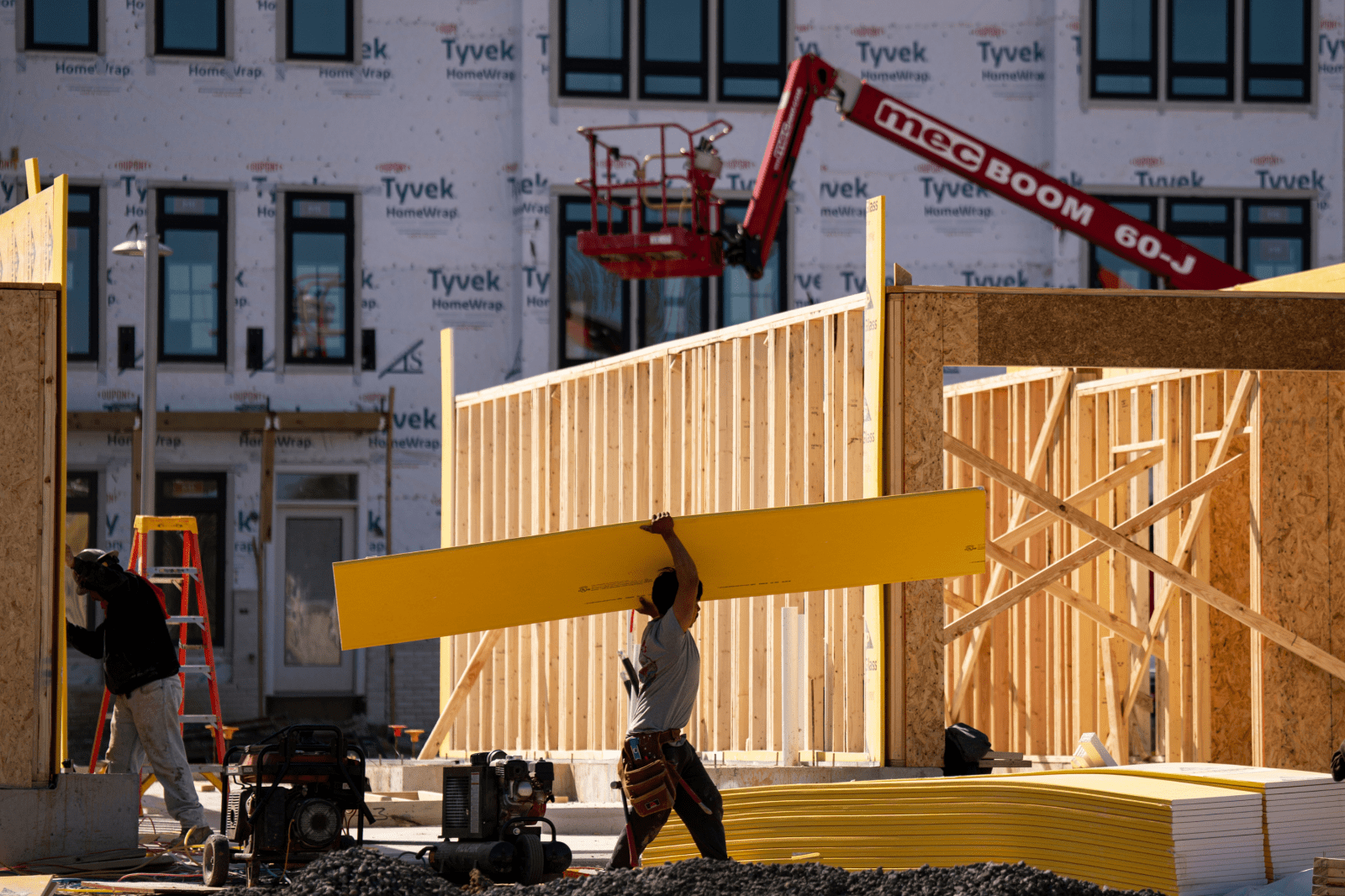
The rapid growth of AI infrastructure is introducing an unexpected challenge for the U.S. housing market: a growing competition for construction workers. Ed Brady, who leads the Home Builders Institute (HBI), highlights that the booming AI data center sector is drawing skilled labor away from residential construction. This is happening during a period when the homebuilding industry faces a significant labor shortage.
Brady mentions that the skilled-trades field is already lacking around 300,000 workers. The rise in data center construction only exacerbates this issue. The demand for AI services has led to massive investment in data centers, which are crucial for running AI platforms.
“The market is not as strong,” Brady explained to The Center Square, “and so today many of those people that were in housing are going to these data centers.”
Major technology firms like Amazon, Microsoft, Google, and Meta are projected to invest over $300 billion in AI infrastructure by 2025. This has spurred a construction boom that needs thousands of electricians, plumbers, HVAC specialists, steelworkers, and other skilled tradespeople. Many workers are lured by the prospect of higher wages and longer-term projects. Data from a construction staffing organization shows some workers have seen pay increases of 25 to 30 percent in data center construction.
The homebuilding sector already struggles to recruit skilled labor due to challenges dating back to the 2008 financial crisis. The industry loses five skilled-trades workers to retirement for every two that enter the field.
Impact on Housing
The shortage of labor is affecting homebuyers. Brady warns that workers who switch to commercial projects like AI data centers might not return to residential construction when housing demand rises again. A report by HBI estimates that the skilled-labor shortage costs homebuilders around $10.8 billion annually and delays the construction of about 19,000 homes each year.
Beyond labor, the National Association of Home Builders (NAHB) points to a growing trend of data-center projects competing with residential developments for land. In areas like Northern Virginia, developers pay substantial amounts for land that might otherwise be used for housing. NAHB describes this as “servers over shelter,” indicating how AI infrastructure is reshaping development patterns.
Economic Effects
Not everyone views this industry boom negatively. Nvidia CEO Jensen Huang suggests that data-center construction generates new, lucrative blue-collar jobs, providing six-figure careers in America. Yet, economists caution that increased wages in data-center construction have ripple effects on the economy. According to Joel Berner, a senior economist at Realtor.com, the reduced and aging construction workforce in homebuilding leads to higher labor costs and longer timelines for new homes.
For homebuilders, the issue isn’t the presence of data centers, but rather the lack of trained workers to meet demands in both the residential and commercial sectors.
“This problem is going to get even more and more exaggerated and acute to the housing industry because of the data center construction,” Brady warned. “We’re not putting enough money into training the future generations of skilled labor.”
As AI investment grows in the United States, the need for workers in AI sectors increasingly conflicts with the national goal of building sufficient housing, creating a new housing challenge in America’s race for AI leadership.