Analysis of President Trump’s Approval Ratings Ahead of 2026 Midterm Elections
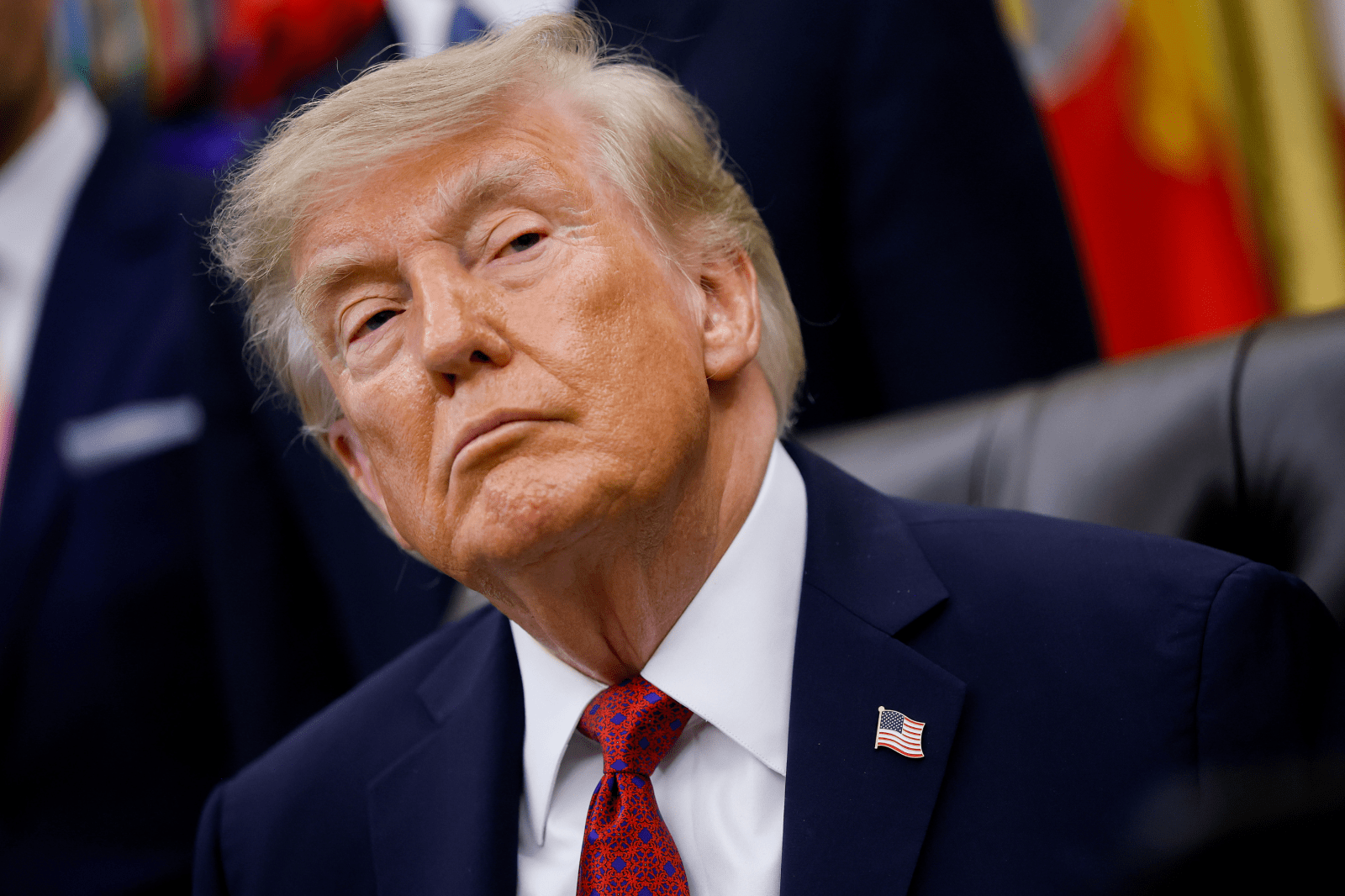
Two months remain until the 2026 midterm elections in the United States, and recent polling data indicate a significant decline in President Donald Trump’s approval ratings since the beginning of his second term. This information, provided by Civiqs’ ongoing online tracking survey, offers a detailed insight into the political landscape he faces.
National and State-Level Approval Ratings
Trump currently has a national approval rating of 35% and a disapproval rate of 59%, resulting in a net approval rating of minus 24. At the state level, Trump retains his strongest approval in predominantly Republican regions, but his support is weak across critical battleground states.
Key Points:
- Trump lacks strong support in all major battleground states two months before the midterms.
- States like Tennessee and Utah are evenly split, while Indiana shows negative support.
- Several Republican-leaning states have experienced a sharper decline in support than Democratic strongholds since January 2025.
- Younger voters, independents, and those with postgraduate education are among Trump’s weakest demographics.
Strongholds Among Deep Red States
Trump’s highest approval ratings are in Republican heartlands. Wyoming leads with a net rating of +22, North Dakota and West Virginia follow at +15, and Alabama has +8. Arkansas and South Dakota also show support at +8. While Trump retains support in states that strongly supported him in the 2024 election, the margins have notably decreased. For instance, Wyoming’s net approval dropped from +47 at the beginning of his term to +22.
Consistent Opposition in Deep Blue States
Opposition to Trump is strongest in states that tend to lean Democratic. Hawaii has the lowest net approval at -60, followed by Vermont at -52, and Maryland at -51. Other states like Massachusetts and California show net approvals of -47 and -43, respectively. These states have maintained persistent opposition throughout Trump’s second term.
Demographic Insights
Demographic trends further illuminate the state-level data, highlighting specific voter groups where Trump struggles to gain support:
- Among voters aged 18 to 34, only 22% approve of Trump’s performance, with 70% disapproving.
- For the 35 to 49 age group, approval is at 28%, with 63% disapproval.
- Among independents, 29% approve, while 62% disapprove.
- Women disapprove by a margin of 64% to 30%, whereas men are more divided.
- Postgraduates show 23% approval compared to 72% disapproval.
- Non-college graduates show a slightly narrower gap with 39% approval and 55% disapproval.
Challenging Battleground States
Trump is facing challenges in key battleground states, all of which now show negative net approval ratings:
- Arizona: -14
- Florida: -10
- Georgia: -23
- Nevada: -23
- North Carolina: -16
- Ohio: -17
- Pennsylvania: -18
- Wisconsin: -18
Several states have witnessed significant shifts in approval, such as Florida moving from +9 to -10 and Ohio from +8 to -17.
States with Notable Decline
Every state shows a lower approval rating than at the start of Trump’s second term. Several states with initially strong support show the most significant decline:
- Kentucky: +23 to -7
- Oklahoma: +31 to +4
- Wyoming: +47 to +22
- Ohio: +8 to -17
- Iowa: +6 to -18
- Texas: +6 to -17
- Nevada: 0 to -23
- Florida: +9 to -10
Tight Margins in Central States
Several states, including Tennessee and Utah, have balanced approval ratings, while others like Indiana and Nebraska have slightly negative ratings. Kansas is narrowly positive, indicating potential for rapid changes in approval status through minor shifts.
Comparison with Previous Midterms
Trump’s current approval is weaker compared to the period before the 2018 midterms. Polling then showed a net approval of minus 10 compared to the current minus 24, indicating a considerably more challenging environment before the upcoming elections.
Current Administration’s Position
The White House has dismissed fluctuations in polling, maintaining that Trump’s 2024 election win remains the strongest indicator of public support. Despite poll results, Trump’s administration emphasizes progress in jobs, inflation, and housing affordability, asserting that these accomplishments will continue under his agenda.