Analysis of Voter Fraud Claims and Federal Actions in California
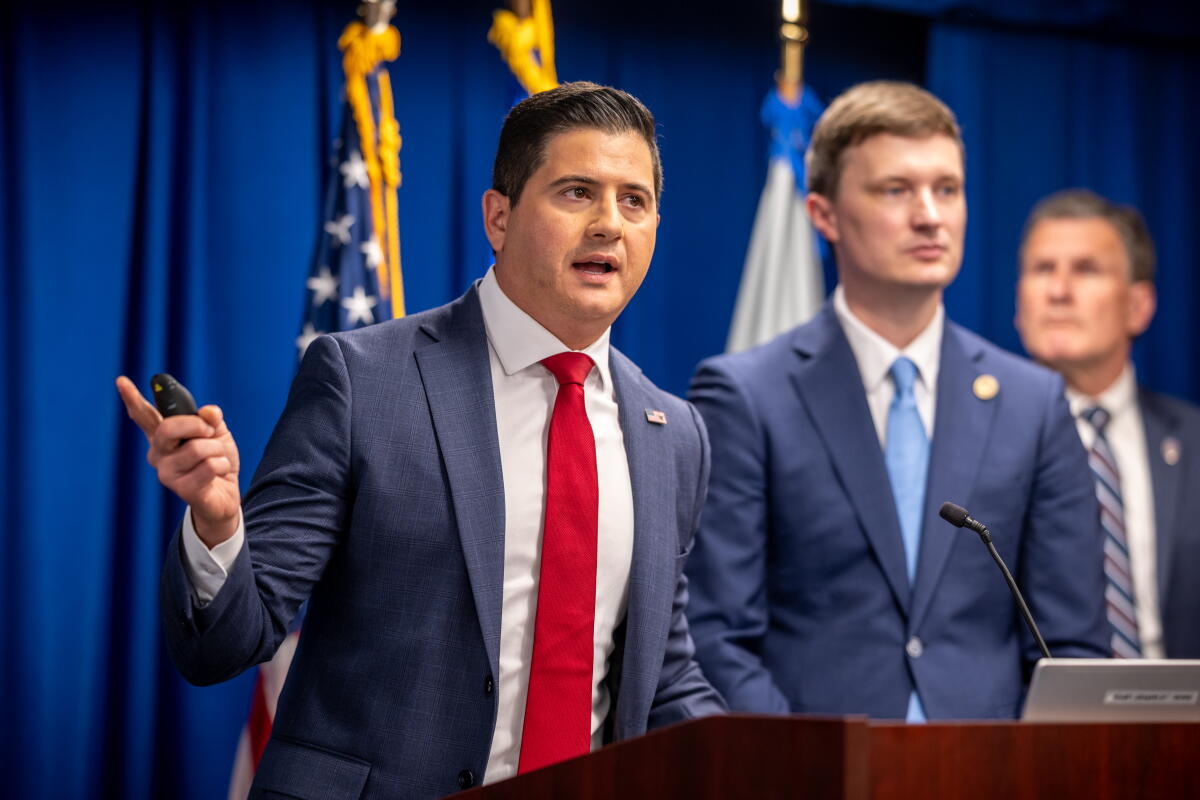
The U.S. Department of Justice recently announced the identification of 28 individuals in California who allegedly voted illegally. This number is minuscule amidst the approximately 23 million registered voters in the state. California Attorney General Rob Bonta emphasized that this finding reinforces the absence of widespread voter fraud, contrary to numerous claims made by former President Trump regarding a large-scale conspiracy.
The identified cases represent an occurrence rate that is comparable to the chance of being struck by lightning in the United States. Furthermore, none of these individuals have been accused of coordinating with each other or with political entities. The DOJ’s intensive investigation highlights these negligible figures.
Nationally, there have been 169 federal charges related to illegal voting since the current administration began. This includes the California cases, suggesting 141 additional suspects across the U.S. This crime rate is extraordinarily low, estimated at 1 in 1.25 million registered voters.
Despite these findings, federal authorities are targeting California, demanding a review of nearly 20,000 registered voter names flagged as potentially illegal. However, the federal government has not definitively claimed these individuals voted illegally, rather indicating suspicions based on debatable data.
The list of alleged illegal voters seems to originate from the SAVE program, created for data collection across government databases. This system has been criticized for inaccuracies and unreliability. Legal action has been taken against the federal government for utilizing this flawed system, targeting naturalized citizens.
As midterm elections approach, concerns arise that these charges and lawsuits may serve as voter suppression tactics. The threat of federal scrutiny and legal charges may deter eligible voters, especially naturalized citizens, from participating in elections.
Critics argue that these actions not only intimidate legal voters but also fuel conspiracy theories. The repercussions of such actions could involve further allegations of election fraud, regardless of the lack of substantial evidence supporting widespread voter misconduct.
Voter suppression remains a serious concern, particularly affecting communities heavily scrutinized by immigration authorities and those within closely contested districts, influencing electoral outcomes.