Andy Burnham Signals Shift in UK’s Economic Policy
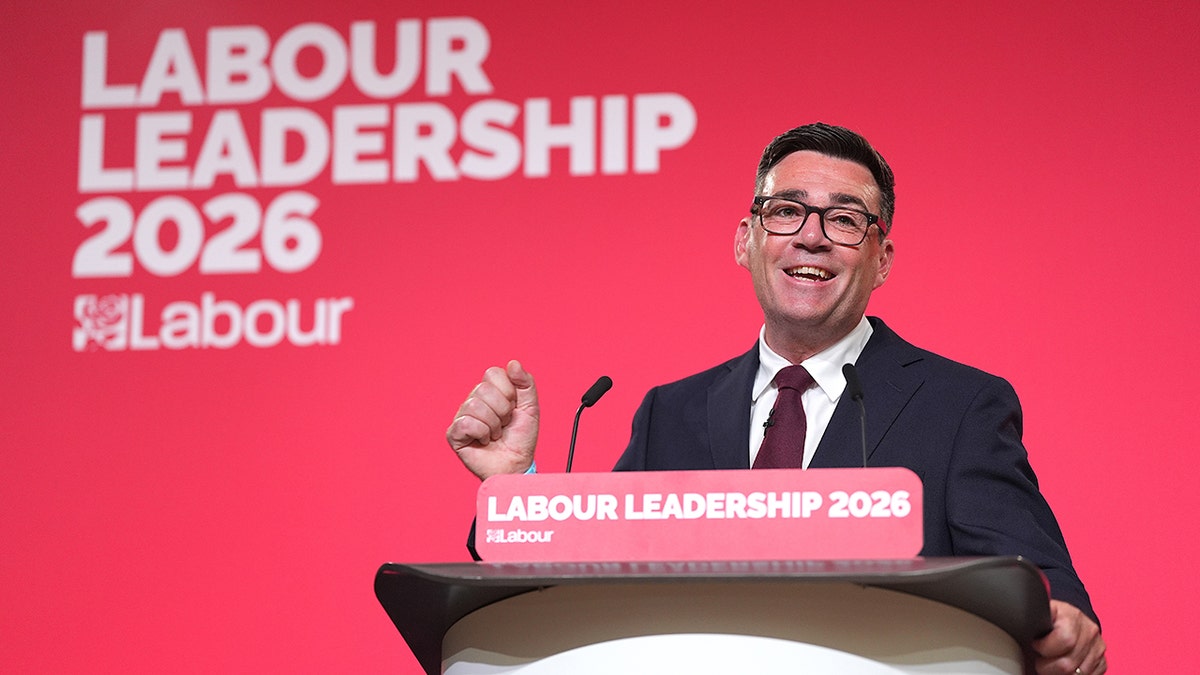
Britain’s incoming Prime Minister, Andy Burnham, used his first speech as Labour leader to criticize the economic model set by Margaret Thatcher in the 1980s. He promised to increase public control over essential services, indicating a leftward shift from outgoing Prime Minister Keir Starmer.
Burnham, who will take office on Monday, argued that Britain made significant errors in the 1980s by centralizing political power and transferring economic power to private companies. His leadership was unchallenged, with 379 parliamentary members nominating him to lead.
“The country surrendered control of essentials like housing, water, energy, and transport, leaving people to face higher costs,” Burnham said during his July 17 speech in London.
He noted that four decades of neoliberal economic policy have negatively impacted the working-class and industrial communities that traditionally support Labour. He described his rise as Britain’s most significant political turning point in 40 years.
Burnham’s plans signal a departure from Starmer’s economic approach, aiming for increased state ownership, expanded social housing, more regional governance, and greater state involvement in key services.
Alan Mendoza, from the Henry Jackson Society, observed that while Burnham’s speech was ideologically clear, details on implementation were sparse. He questioned the direction Burnham intends to take, asking whether it might involve socialism or some form of state control.
Despite not explicitly mentioning a return to pre-Thatcher economic policies, free-market critics perceived Burnham’s criticisms as an attempt to revive state-led policies. Britain’s Winter of Discontent in 1978-79, marked by widespread strikes, played a role in Thatcher’s election in 1979.
The Adam Smith Institute countered Burnham’s critique by highlighting achievements from the Thatcher era, like tax reductions, increased homeownership, and fewer labor strike days. They also cited reduced inflation and national debt, as well as increased shareholder numbers.
Emma Schubart from the Henry Jackson Society argued Burnham misunderstood taxation and economic incentives, criticizing his portrayal of Thatcher’s policies.
While Burnham pledged to be a “pro-business leader,” the ideological shift poses political challenges. He must unite Labour’s factions and address Reform UK’s challenge while gaining office without winning a general election.
Mendoza warned that Burnham’s policies could strain relations with the United States if not carefully managed, given the voters he aims to win are often hostile to America.
Burnham will be sworn in as prime minister by King Charles III on Monday.