Anoka-Hennepin School Board to Decide on Social-Emotional Learning Curriculum
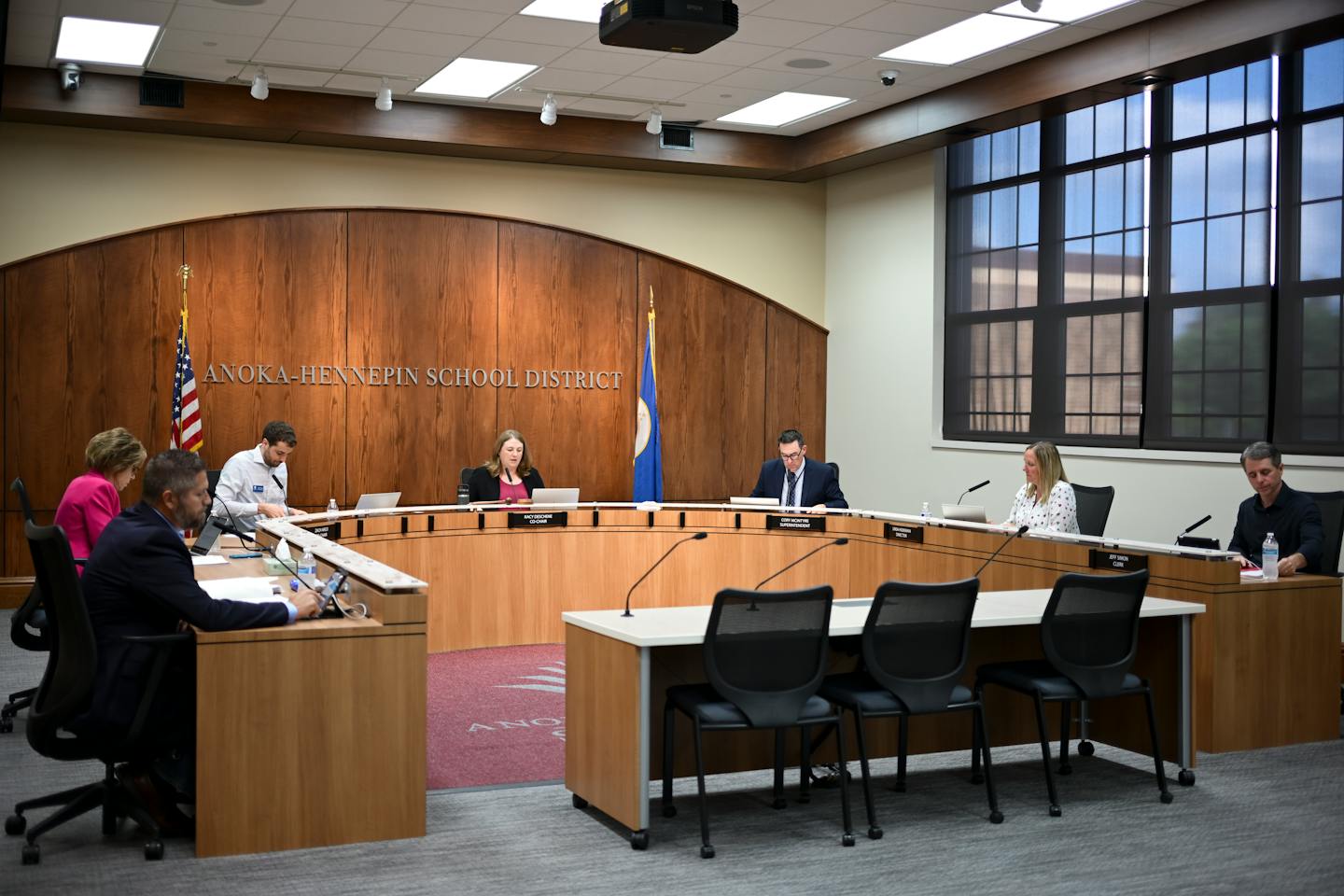
The Anoka-Hennepin school board faces a divisive decision on the district’s social and emotional learning (SEL) curriculum. This issue has stirred debates reminiscent of past controversies like Common Core and Critical Race Theory.
Board Debate and Perspectives
On one side, Board Member Matt Audette resists external SEL programs, advocating for locally developed solutions. He described such programs as detrimental to students’ well-being. Conversely, Board Co-chair Kacy Deschene supports the current SEL framework, emphasizing research on academic gains and widespread approval from parents and teachers. She argues that problems lie in perception rather than the program itself.
Understanding SEL
SEL focuses on developing students’ skills in managing emotions, achieving goals, building relationships, and making decisions. According to the Minnesota Department of Education, these skills are essential in education. SEL has roots in character education from previous decades, such as programs teaching honesty and responsibility.
Faith Miller, a University of Minnesota associate professor, explains that political polarization has affected SEL discussions. Originally bipartisan, SEL now encounters opposition linked to broader cultural debates.
SEL in Anoka-Hennepin
Since 2014, Minnesota has promoted SEL in schools to enhance safety and counter bullying, especially after the COVID-19 pandemic highlighted mental health issues. Federal funds have supported these efforts as well.
Anoka-Hennepin schools employ Leader in Me and CharacterStrong curricula. Lessons emphasize character traits, often include interactive activities, and encourage reflection on topics like gratitude. These programs aim to create a common language among teachers and students to reinforce learning.
Controversy and Opposition
SEL faced scrutiny during the pandemic and amid heightened focus on equity in education. In 2020, changes in SEL definitions to include identity and equity exacerbated conservative fears of ideological indoctrination. Some parents equated SEL with liberal agendas, further fueling the controversy.
Anoka-Hennepin specifically avoids transformative SEL that targets these concerns, aiming instead to maintain focus on the core SEL skills.
Parental and Teacher Support
Although many parents support SEL principles, terminology has caused unease, especially among Republicans, according to a Thomas B. Fordham Institute study. Nonetheless, a local survey in Anoka-Hennepin shows strong parental backing for current SEL instruction. Teachers similarly support it, though time constraints affect lesson completion.
Research and Benefits
Studies have shown SEL can improve academic performance. A 2011 analysis found students involved in SEL programs improved academically by 11 percentile points compared to peers without such programs. The National Center for Education Statistics reported that over 60% of public schools had an SEL curriculum in 2023-2024, with many citing effectiveness but struggling with time for implementation.
Future of SEL in Anoka-Hennepin
The board has postponed a final decision but may resolve the issue by May 19. Discussions have leaned toward developing district-specific programs. Superintendent Cory McIntyre urged resolution, stressing the importance of SEL for enhancing student achievement.