Atlantic Basin May See Hurricane-Free Season Amid Strong El Niño
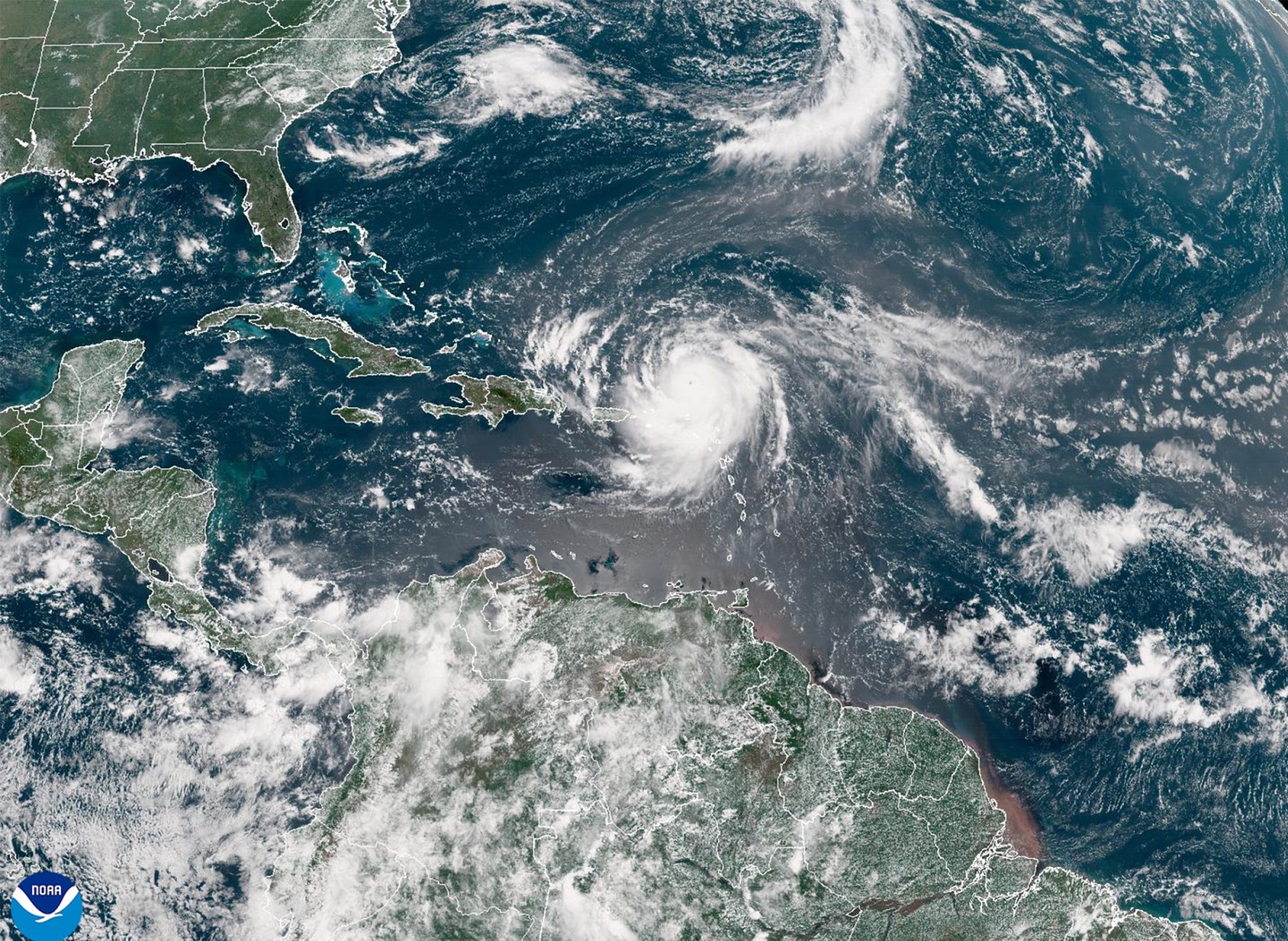
The Atlantic basin might experience its first hurricane-free season in over a century if no hurricanes form before the season concludes. This prediction comes from AccuWeather forecasters who are closely watching the situation.
El Niño’s Strengthening and Its Impact
This week, federal meteorologists highlighted that El Niño is anticipated to strengthen through the year’s end, with more than a 90% chance of becoming a very strong event in fall and winter. This forecast aligns with previous predictions of a below-average Atlantic hurricane season, partly influenced by El Niño.
Understanding El Niño
El Niño represents the warm phase of the El Niño-Southern Oscillation (ENSO), a recurring Pacific climate pattern affecting global weather. La Niña, its counterpart, signifies the cool phase.
Typical effects of El Niño include stormier weather across the Southern U.S., drier conditions in some northern regions, and altered hurricane activity. According to Matthew Rosencrans from the National Oceanic and Atmospheric Administration, El Niño conditions often mean fewer tropical storms and hurricanes, particularly in the western Atlantic Ocean Basin. Conversely, the eastern and central Pacific experience increased tropical storm and hurricane activity.
Potential Record-Breaking Atlantic Hurricane Season
AccuWeather communicated via email to Newsweek that no Atlantic hurricane had formed by September 10, the season’s climatological peak. Expert forecasters noted a low probability of development before September’s end.
“The possibility that the Atlantic could go through its entire busiest month without a hurricane is what makes this season truly exceptional,” said Alex DaSilva, AccuWeather’s lead hurricane expert.
Persistent El Niño conditions have generated disruptive wind shear across the basin, with no significant change expected through September.
Historically, the Atlantic has seen only two seasons without hurricanes, in 1907 and 1914, years predating the satellite era. Improved technology now helps meteorologists better detect and monitor storms distant from land.
Current Season Developments
AccuWeather reported that five named storms have formed this year, none reaching hurricane strength due to persistent wind shear, dry air, and repeated plumes of Saharan dust.
However, forecast caution remains, as tropical storms and rainstorms could still bring flooding, damaging winds, and rough seas even without hurricane intensity.
The Atlantic hurricane season extends until November 30. If September passes without a hurricane, the last chances would be in October or November, when tropical activity typically decreases.
Since 1966, around 24% of Atlantic hurricanes have developed post-September. During El Niño years, that figure drops to 19%.
AccuWeather’s Nicholas Arman noted that increasing wind shear becomes a major obstacle to Atlantic tropical development late in the year. A more active jet stream can create southward dips increasing shear, while early cold fronts cool the ocean waters. Additionally, declining solar energy as the sun shifts to the Southern Hemisphere can hinder storm development and strengthening in the Atlantic’s primary development zone.