BepiColombo’s Historic Mission to Mercury
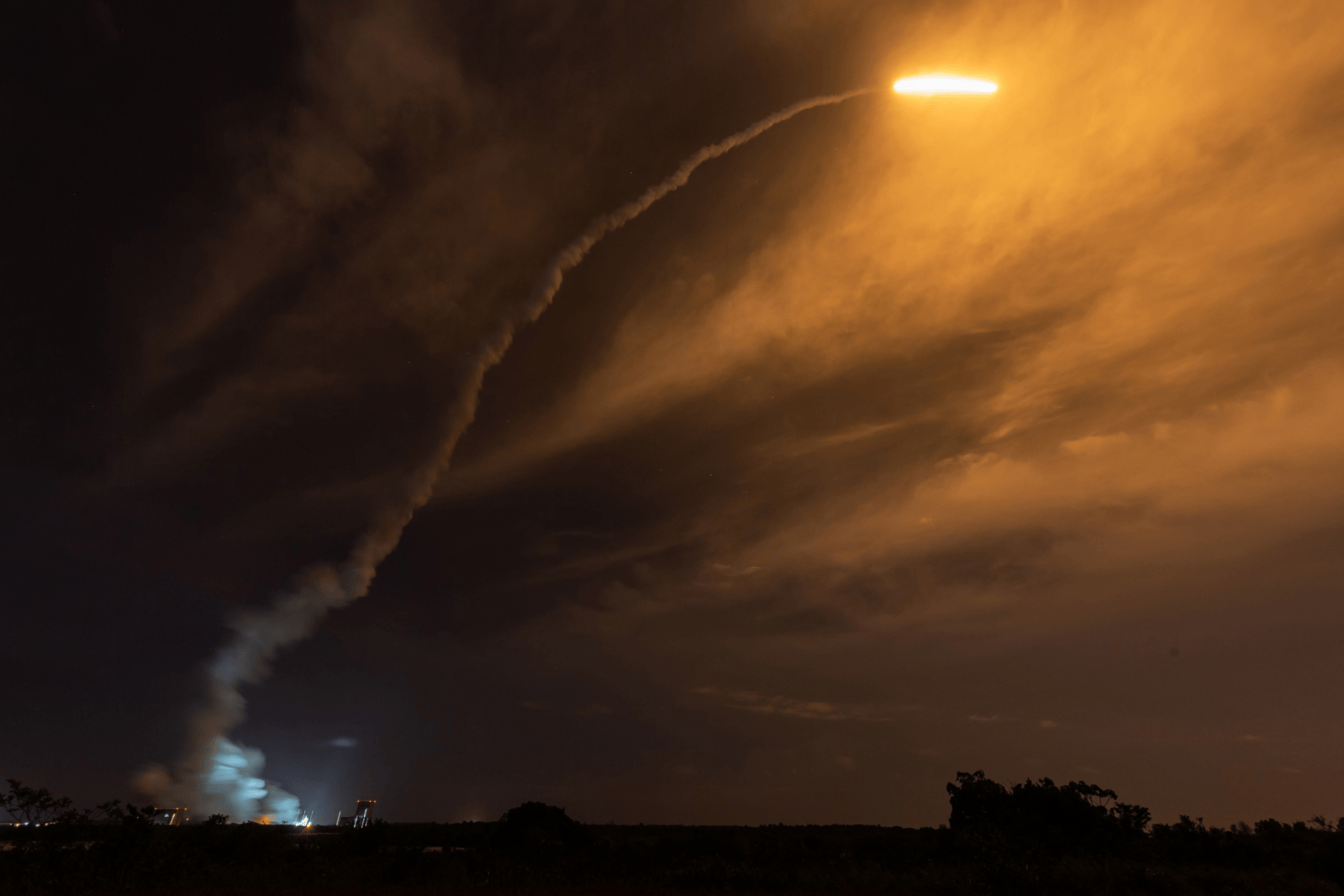
The BepiColombo mission, a collaboration between the European Space Agency (ESA) and the Japan Aerospace Exploration Agency (JAXA), has reached Mercury after an eight-year journey through space. On November 21, the spacecraft began orbiting Mercury, marking an important milestone in the study of the planet closest to the Sun.
Mission Details
BepiColombo comprises two spacecraft designed to study Mercury in detail. The mission launched from Europe’s Spaceport in Kourou, French Guiana on October 20, 2018, aboard an Ariane 5 rocket. Rather than heading straight for Mercury, the mission followed a carefully planned course, traversing the inner solar system.
During its journey, BepiColombo performed flybys of Earth, Venus twice, and Mercury six times. These encounters used gravitational forces from each planet to alter the spacecraft’s speed and direction while conserving fuel. According to ESA, BepiColombo traveled approximately 10.2 billion kilometers, following a winding path rather than the direct distance between Earth and Mercury.
Challenges of Reaching Mercury
Traveling to Mercury poses unique challenges. Despite its proximity to Earth compared to other planets, a mission to Mercury must contend with the Sun’s gravitational pull. This requires slowing the spacecraft enough for Mercury’s weak gravity to capture it, avoiding it speeding past or towards the Sun. ESA highlights that reaching Mercury requires more energy than a mission to Pluto, which is much further from Earth.
BepiColombo’s journey involved multiple flybys of other planets and the use of specific engines providing continuous, albeit small, thrusts over long periods. Upon nearing Mercury, four small engines reduced the spacecraft’s speed, allowing it to settle into an orbital path.
Scientific Goals and Future Plans
Mercury’s extreme conditions due to its proximity to the Sun have made it less explored. Spacecraft around Mercury face sunlight 10 times more intense than around Earth, and the planet’s surface temperatures reach about 430 degrees Celsius.
BepiColombo features two scientific instruments in one mission. ESA’s Mercury Planetary Orbiter (MPO) focuses on studying Mercury’s surface and interior. JAXA’s Mercury Magnetospheric Orbiter, Mio, examines the magnetic field and surrounding environment. The dual-spacecraft approach allows simultaneous measurements from different locations, helping scientists distinguish whether changes result from the planet itself or solar wind.
Arriving in orbit marks a major step, but BepiColombo’s scientific work is still to begin. The MPO and Mio remain connected and are set to separate on December 9-10. Once separated, each will enter its final orbit. MPO will gradually adjust its path, with scientific operations anticipated to start by March 2027. The main research phase begins in April 2027, offering insights into Mercury’s formation, evolution, and the development of rocky planets like Earth.