Bokashi Composting: A Sustainable Fertilizer Solution in Zambia
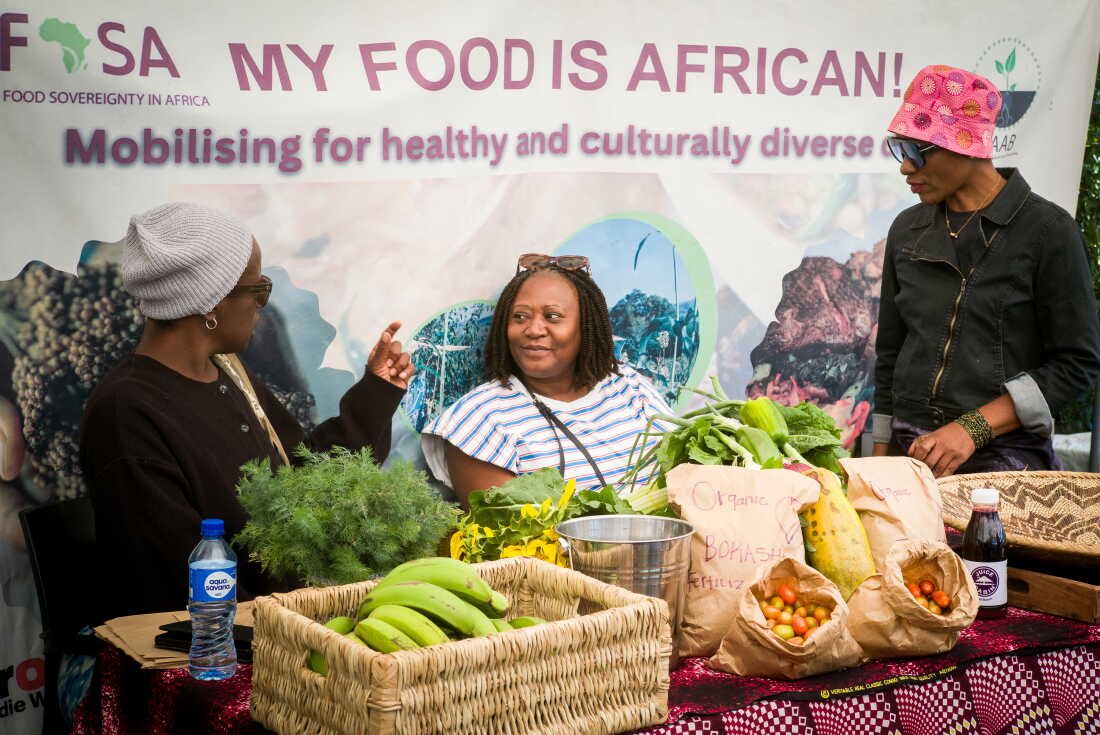
At a bustling market in Zambia, organic vegetables share table space with bags of homemade bokashi fertilizer, selling for approximately $2.50 each. On a 12-acre plot outside Lusaka, Kanangwa Newlove has created an agricultural haven, with shady fruit trees scattered across the land, lengthy tomato vines draping over trellises, and neat rows of corn, pumpkins, and blackjack—a local leafy green. Her fields house eleven varieties of lettuce. “I started taking vegetables to my workmates, and before I knew it, I was supplying the supermarket,” Newlove recounts. “It went on and on.”
For numerous farmers, 2026 has posed significant challenges. The Iran war obstructed the Strait of Hormuz, severely disrupting international trade shipments, including fertilizers. This led to a spike in prices globally, which rapidly affected African countries where smallholder farmers are often vulnerable to these fluctuations.
However, Newlove didn’t experience these difficulties. For years, she has been nurturing her crops with homemade, fermented compost called bokashi.
A Solution from Ancient Asia
Bokashi, rooted in ancient Korean farming traditions and popularized in Japan, is relatively straightforward to produce. Newlove considers it highly effective. “We could now have a potent fertilizer—organic—which is ready in weeks. For us, that was amazing,” Newlove states. Bokashi has gained significant popularity in Zambia, with farmers selling homemade compost at markets and sharing tips on social media. The Kasisi Agricultural Training Centre provides bokashi training and often sends students to observe its application on her farm.
“Zambian farmers have been searching for alternatives to grow food while minimizing costs,” explains Rabecca Mwila from the Knowledge Platform for Organic Agriculture and Agroecology in Africa. “Inputs like bokashi offer a cushion for them.”
The Recipe
For home composters, bokashi involves fermenting food scraps in an environment without oxygen. However, many farmers produce a version of bokashi outdoors. Ingredients are typically easy to find on a farm: leaves or crop residues, animal dung, charcoal, and ash from a fireplace. Yeast and a sugar source, such as molasses or bananas, are added to initiate fermentation. The mixture heats as microbes decompose it. After about two weeks of fermentation, the mixture is buried near crops to break down completely.
Plant matter, animal dung, ash, molasses or a banana, and a pinch of yeast ferment into bokashi fertilizer.
“Farmers are excited because they find it cheaper and observe soil rebuilding,” Mwila notes. “They can see earthworms.” As climate change disrupts rainfall patterns and extends dry seasons, farmers show increased interest in affordable, sustainable methods. Many express concerns over the long-term impact of conventional fertilizers.
“Due to excessive use of synthetic fertilizers, pesticides, and herbicides, the soil is completely depleted,” Mwila says. Zambia previously imported nearly all its fertilizer. As global prices tripled following the COVID-19 pandemic and the Russian invasion of Ukraine, finding alternatives became crucial for food security. Besides bokashi, the Zambian government has fostered domestic fertilizer industry growth, with a Chinese-Zambian conglomerate announcing plans to build a $1.5 billion fertilizer plant.
While global fertilizer prices generally decreased over the summer, including in Zambia, some fertilizers remain costly in southern African countries like Malawi, Tanzania, and South Africa. Although the government provides subsidies, there isn’t always enough to fulfill demand. Donald Zulu, a lecturer at Copperbelt University in northern Zambia, states that without subsidies, a farmer needs approximately $400 USD for fertilizer to grow 2.5 acres of corn.
Do Veggies Like It?
In search of an alternative, Zulu collaborated with WeForest and local farmers to study bokashi’s efficacy on corn and cabbage in 2024. “The results were very encouraging,” Zulu says. “Bokashi echoed the yields of mineral fertilizer,” indicating that small-scale farmers could use bokashi to produce comparable food amounts at a lower cost.
Unexpectedly, the most successful crops were cultivated with both bokashi and mineral fertilizers in smaller quantities. “That’s where bokashi becomes essential in aiding farmers to achieve food security,” he added. For farmers like Kanangwa Newlove, bokashi’s value lies more in fostering sustainable farming practices that preserve the land.
“Even when you’re making it, you don’t need to wear a mask because it’s not toxic. There’s no harmful chemicals,” Newlove emphasizes. “So it’s all just like a labor of love.”