Cancer Cell Confinement Triggers Self-Destruction
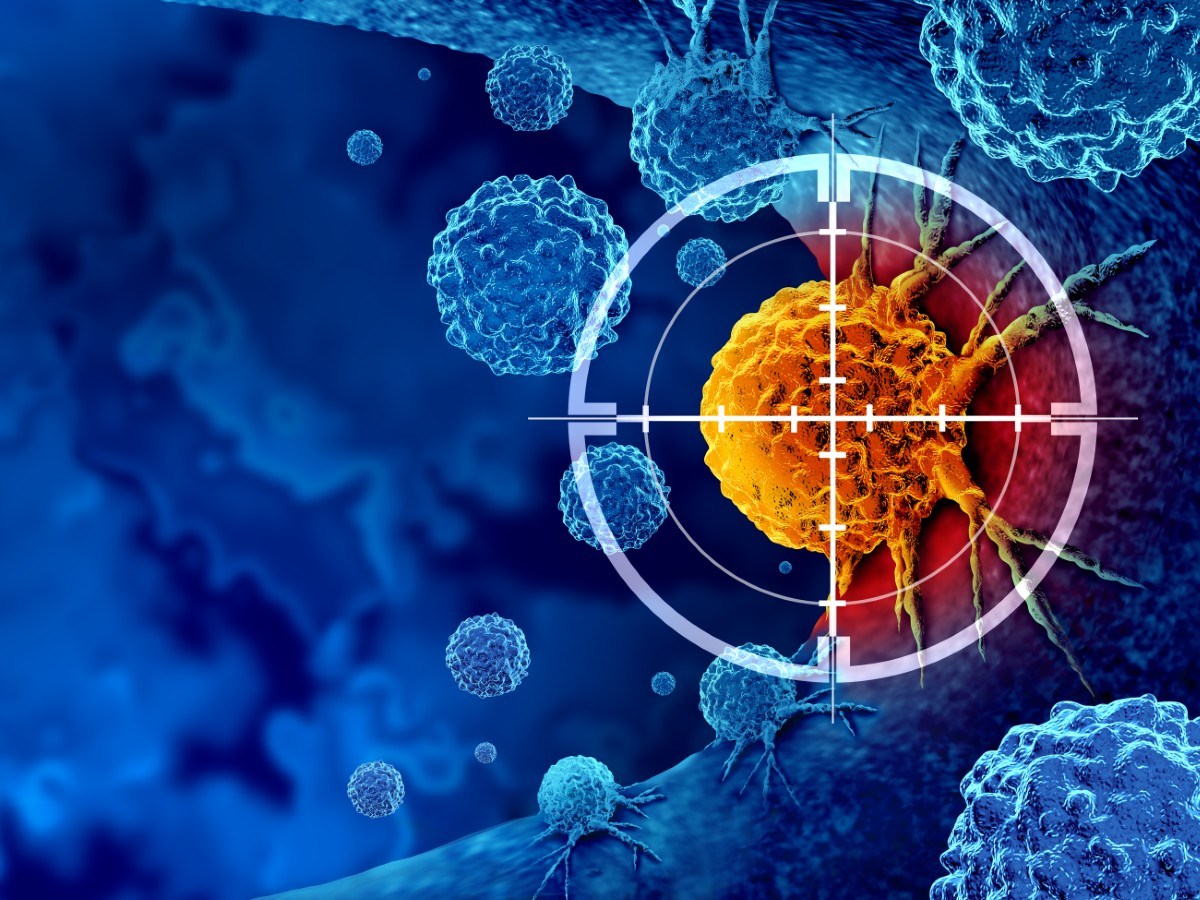
Researchers from Fudan University, Sun Yat-sen University, and the Chinese Academy of Sciences have discovered that compressing cancer cells leads to their self-destruction. By using three-dimensional models, they observed how cancer cells respond to mechanical confinement over time. They found that the cells, when trapped, experienced chronic stress that affected their ability to spread and ultimately led to cell death. The research was published in the Developmental Cell journal.
Key Findings of the Study
The study focused on cancer cells during a stage known as the mesenchymal-to-amoeboid transition (MAT). This is a process where cells adapt to move through tight spaces without genetic transcription. According to study authors Liming Sun and Yan-Jun Liu, one challenge for cancer cells in metastasis is passing through extremely narrow spaces. They designed a system to replicate this challenge by gently confining the cells in a thin space, preventing them from attaching to surfaces, thereby simulating the stressful journey through the body. This setup allowed researchers to observe these cells transitioning into an amoeba-like state, attempting to escape confinement.
With increased pressure, the cells identified their environment as threatening and released death-triggering signals. Long-term confinement induced the cells to activate MLKL, which initiates cell death. Before dying, the cells lost their ability to move, reducing their invasiveness. However, this process also led to the survival of MLKL-low, necroptosis-resistant clones, which are more aggressive.
The mechanism was tested across various cancer cell types, showing similar responses. This suggests a broader principle in how tumor cells deal with prolonged stress. Nevertheless, the response may vary based on genetic differences, and further studies are needed to explore these variations.
Implications of the Findings
The authors explained that prolonged mechanical stress within tumors might naturally hinder cancer cell spread. It could eliminate highly invasive cells and promote immune recognition of tumors. MLKL expression may serve as a biomarker for tumor progression. Cancer cells with higher MLKL expression were found to be more susceptible to this mechanical stress, while those with lower expression were more likely to survive confinement.
This selective pressure may favor the growth of aggressive, migration-prone escape clones. Measuring MLKL levels could help track tumor evolution. The findings pave the way for new therapeutic strategies by potentially activating MLKL pharmacologically, enhancing the removal of confined cancer cells.
More importantly, the study suggests that therapies should target both biochemical pathways and the physical environment of tumors. By combining MLKL activation with traditional cancer treatments, it may be possible to strengthen the body’s natural defenses against metastasis.