Candida Auris: Drug-Resistant Fungus and Its Survival Mechanisms
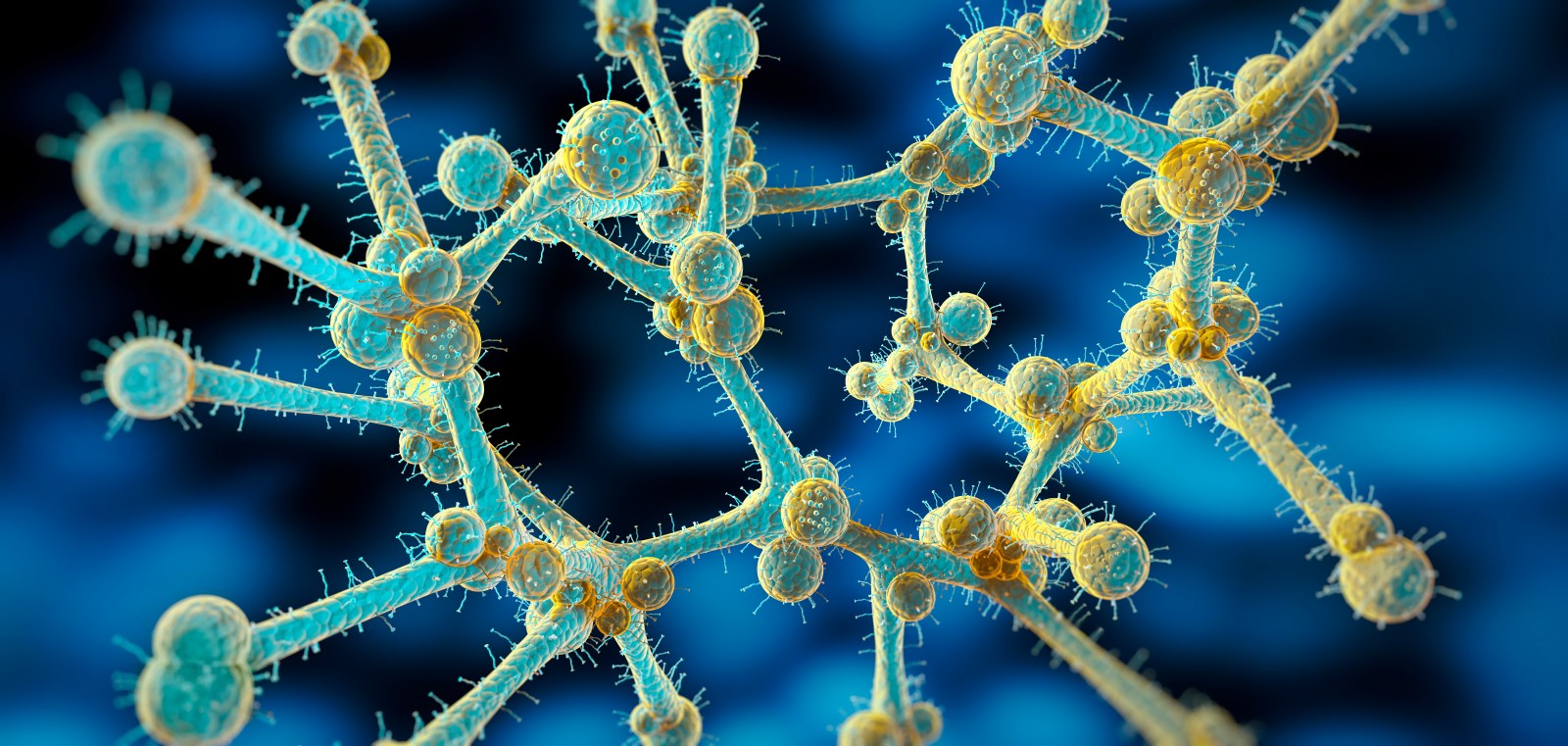
A drug-resistant fungus, Candida auris, claims thousands of lives in U.S. hospitals annually. Researchers have now uncovered how this fungus persists on human skin by manipulating the immune system. Dr. Dean Merrill, a dermatologist at UCSF, explained that Candida auris colonizes skin more effectively than most fungi, positioning itself to invade when immunity weakens. Despite sweeping across more than half of the U.S. states, medical experts find it challenging to remove the fungus from the skin, according to the Centers for Disease Control and Prevention (CDC).
A Silent but Dangerous Menace
Candida auris, a yeast type, was discovered in Japan in 2009 and has since spread to hospitals globally. It generally lives harmlessly on skin but becomes dangerous if it enters the bloodstream, posing a significant threat to vulnerable patients. The fungus is difficult to treat due to its resistance to many common antifungal drugs, leading to approximately 3,000 deaths yearly in the U.S.
Previously, scientists were puzzled by C. auris’ persistence on the skin compared to other fungi that the immune system clears quickly. A new study from UCSF, detailed in the journal Science, aims to clarify this phenomenon.
Immune Response Differences
Researchers compared C. auris with Candida albicans, another fungus usually eliminated by a healthy immune system. In rodent experiments, C. albicans was cleared rapidly, but C. auris managed to survive by embedding itself deep in hair follicles. These two fungi activated distinct immune responses. C. albicans triggered IL-17, which boosts skin renewal and enhances natural antifungal defenses, almost clearing the infection independently. Conversely, C. auris activated interferon gamma, typically associated with combating viruses, which did little to fight this fungus.
Rewiring Skin Defenses
C. auris modifies its cell wall to exhibit more chitin, prompting nearby immune cells to release interferon gamma around hair follicles. This response suppressed antifungal defenses, including the critical IL-17, and slowed the normal cell turnover in hair follicles. Consequently, this created a hospitable environment for the fungus to flourish undetected.
Professor Suzanne Noble, a microbiologist at UCSF, noted that although chitin is common in nature, C. auris effectively utilizes it to create an ideal environment on the skin. The research points to possible treatments for removing the fungus. One approach could involve medications that redirect the immune response from interferon gamma to IL-17, reinstating the skin’s natural antifungal process. Another strategy could target chitin directly, preventing the interference with the immune response.
Overall, the research introduces a new perspective on how microbes can coexist within the body before becoming lethal.
Merrill, E. D., Noble, S. M., et al. (2026). The fungal pathogen Candida auris exposes chitin to trigger IFNγ and persist in hair follicles. Science. https://dx.doi.org/10.1126/science.adu6688. Contact Newsweek editors on this story: Kara Dolman and Gray R. Thomas