Candidates for Will County Sheriff Present Key Initiatives
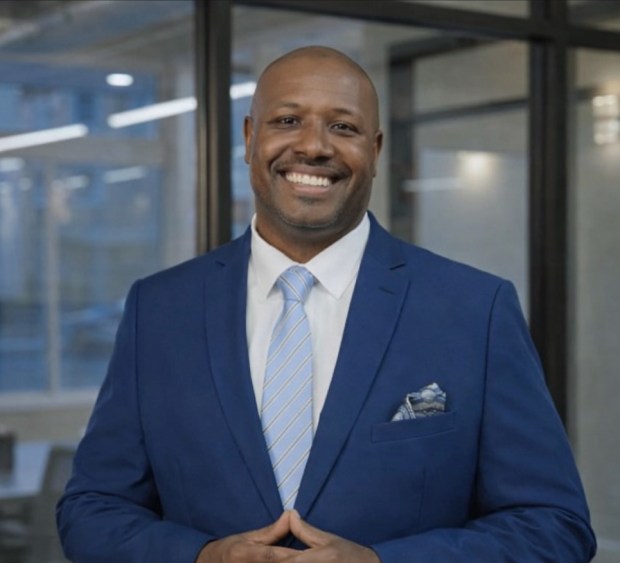
This year, Will County voters will choose a new sheriff to succeed Mike Kelley, who has been in office for three terms and decided to retire. The contest is between Republican James ‘Jim’ Reilly and Democrat Patrick Jones, both long-serving employees of the sheriff’s office.
Background of Candidates
James ‘Jim’ Reilly, aged 60, is a deputy sheriff with 24 years of law enforcement experience. His roles have included K-9 officer, juvenile officer, and member of an undercover organized crime unit. He holds a doctorate in criminal justice with a minor in global leadership. His dissertation, focused on community relationships and policing, has gained nationwide recognition. Reilly has international study experience in countries like Switzerland, Hong Kong, and Ireland.
Patrick Jones, aged 50, serves as a sergeant in the patrol division and has 25 years of tenure with the office. His experience spans corrections, crime scene investigations, SWAT operations, and leading the crisis negotiation team. Jones has received awards for life-saving efforts and significant involvement in more than 40 major investigations. He actively trains department deputies and maintains personal connections with individuals he has assisted in crises.
Key Issues and Proposals
Patrick Jones’ Initiatives
Jones emphasizes increased officer visibility in the community to foster problem-solving interactions. He advocates for transparency by releasing videos of any use of force incidents. Enhancing mental health resources and training for officers is a priority. He plans to reduce recidivism by implementing training programs for inmates, offering them skills like welding or engine repair. This aligns with existing programs in DuPage and Cook counties.
James Reilly’s Focus
Reilly prioritizes crime reduction through intelligence-based policing to identify high-crime areas. He stresses proactive measures against smash-and-grab burglaries and improving collaboration with the state’s attorney’s office for effective prosecutions. He supports mental health programs and stresses the importance of stringent cooperation with federal agencies like the FBI and DEA.
Criminal Justice Reform and Technology
Reilly strongly criticizes the SAFE-T Act, labeling it poorly constructed and advocating for its reform. Regarding technology, he supports the use of Flock cameras for law enforcement but calls for policies to regulate data storage and guard against misuse. While recognizing privacy concerns, Reilly supports using tools like automatic license plate readers with proper oversight.
Jones acknowledges both parties’ privacy concerns, highlighting the effectiveness of cameras in quick suspect apprehensions and silver alerts for dementia patients. He proposes weekly audits to monitor their usage, underlining the need for stringent guidelines.
Addressing Crimes through Technology
Jones aims to raise awareness about crimes targeting the elderly and online threats to children. He seeks to deploy officers to educate seniors on financial fraud and establish a task force for child protection online.
Reilly plans to introduce community policing to protect the elderly by collaborating with financial institutions to detect suspicious transactions. He emphasizes understanding artificial intelligence’s role in law enforcement, addressing potential risks and applications.