Caravan of Migrants from Honduras Travels North Through Mexico
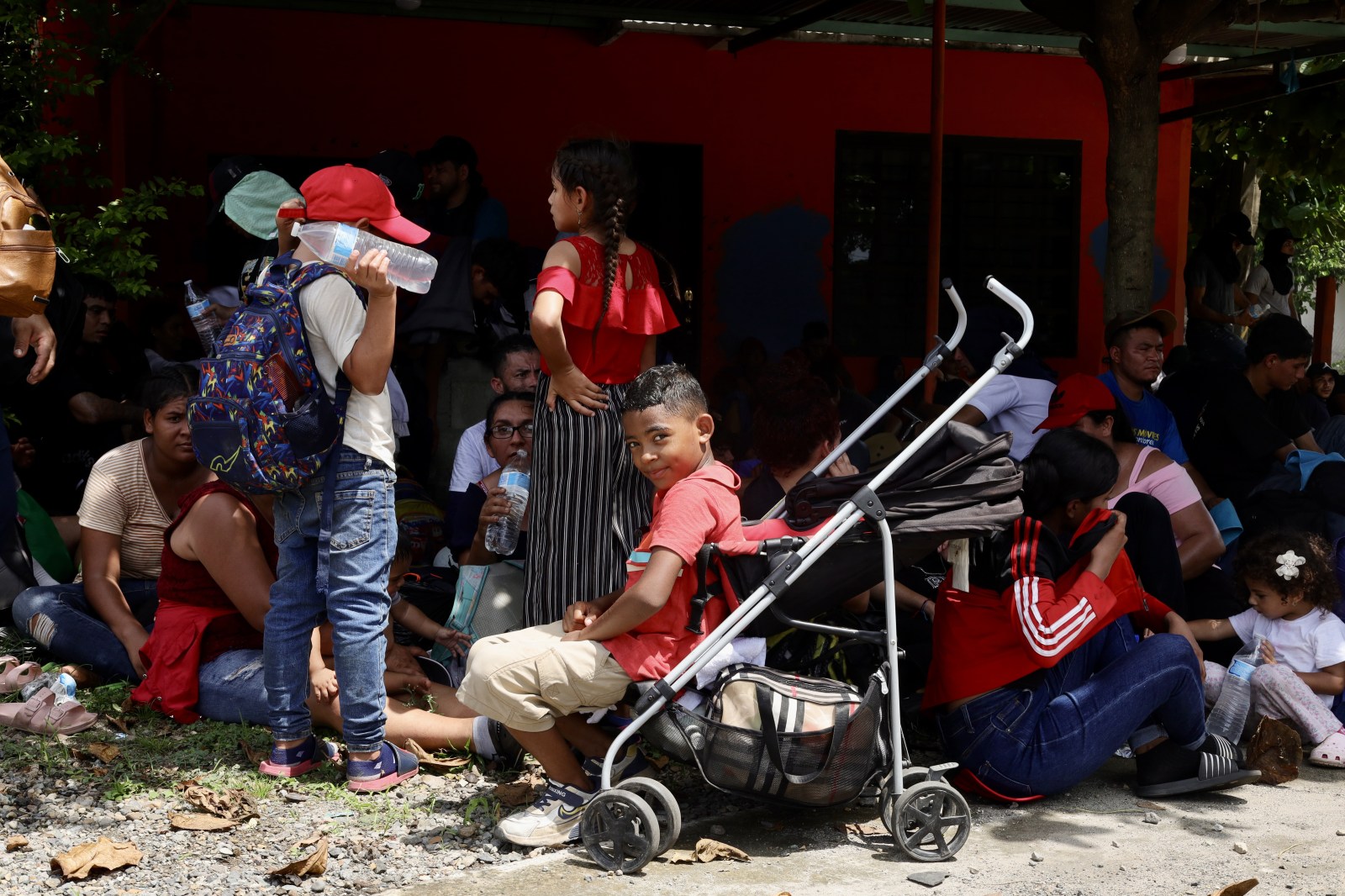
Caravan Journeys Toward U.S. Border
Over 600 migrants are traveling north through Mexico in a caravan, aiming for the U.S. border. The journey began in Honduras and is occurring during increased enforcement of immigration laws by the Trump administration in advance of the November midterm elections. According to the Spanish news agency EFE, between 200 and 400 Honduran migrants initiated the trip from San Pedro Sula on September 20, heading towards the Guatemalan border.
By early September 28, the caravan, named “Fe y Esperanza” or “Faith and Hope,” had expanded to over 600 migrants as it proceeded from Tapachula in southern Mexico towards the northern border with the United States, EFE noted. Individuals from Honduras, El Salvador, Guatemala, Ecuador, and Haiti comprise the group.
Enforcement Measures and Border Security
President Donald Trump’s crackdown on illegal immigration has reduced unlawful crossings at the U.S.-Mexico border. Since Trump returned to office in January 2025, several stringent measures have been enforced, including declaring a national emergency at the southern border, deploying active-duty military and National Guard personnel to assist with border operations, limiting asylum access, and detaining migrants who cross illegally.
These efforts have led to a drop in border crossings. The Department of Homeland Security reported 8,870 apprehensions at the southwest border in August 2026. This figure is 94 percent lower than the monthly average during the Biden administration. Furthermore, DHS stated that Border Patrol did not release any migrants into the U.S. during August, marking 16 consecutive months without releases.
The Trump administration has also issued a proclamation to restrict asylum access for certain migrants, despite ongoing legal challenges. Meanwhile, the caravan remains far from the U.S. border, and the number of migrants who will reach northern Mexico or attempt entry into the United States remains uncertain. Mexican authorities often intercept and disperse caravans traveling north by detaining or relocating migrants within Mexico.
Migrants’ Experiences and Humanitarian Concerns
Migrants interviewed by EFE expressed economic hardship as a primary reason for leaving Honduras. A woman traveling with two children cited a lack of employment opportunities, while another migrant recognized the potential difficulty of reaching the United States but voiced his determination to try.
Guatemala’s Institute of Migration indicates that Hondurans can enter Guatemala without a visa under the CA-4 regional agreement. Mexican authorities typically require Honduran nationals to have a visa to enter, although certain exceptions exist.
As more migrants joined the group in southern Mexico, the composition of the caravan changed. Therefore, the current caravan of over 600 individuals should not solely be identified as the original Honduran group from San Pedro Sula.
Political and Social Reactions
U.S. authorities have advised migrants against unlawful entry into the United States. On September 21, the U.S. Embassy in Tegucigalpa posted on X, warning that U.S. borders are closed to lawbreakers. It cautioned against risky journeys and the deceitful promises of human traffickers, emphasizing that illegal entry results in deportation.
The Department of Homeland Security has also addressed the caravan issue on X through a video post showcasing a sports reel accompanied by a Korn song.
In the United States, the caravan has reignited political debate, with Republicans leveraging the situation to highlight concerns about border security and immigration ahead of the midterm elections. Representative Nancy Mace stated on X that the migrants were counting on a Democrat Congress in November. Former Representative Marjorie Taylor Greene questioned the caravan’s timing, suggesting it was a scare tactic before the elections.
José Zelaya, a Honduran migrant from San Pedro Sula, shared with EFE that he left with family members to reach the United States, partly to support relatives financially. Zelaya dismissed the notion of an organized leader behind the group, attributing their movement to “hunger” and “necessity.”