Challenges Faced by Cattle Ranchers Amid Rising Costs and Drought
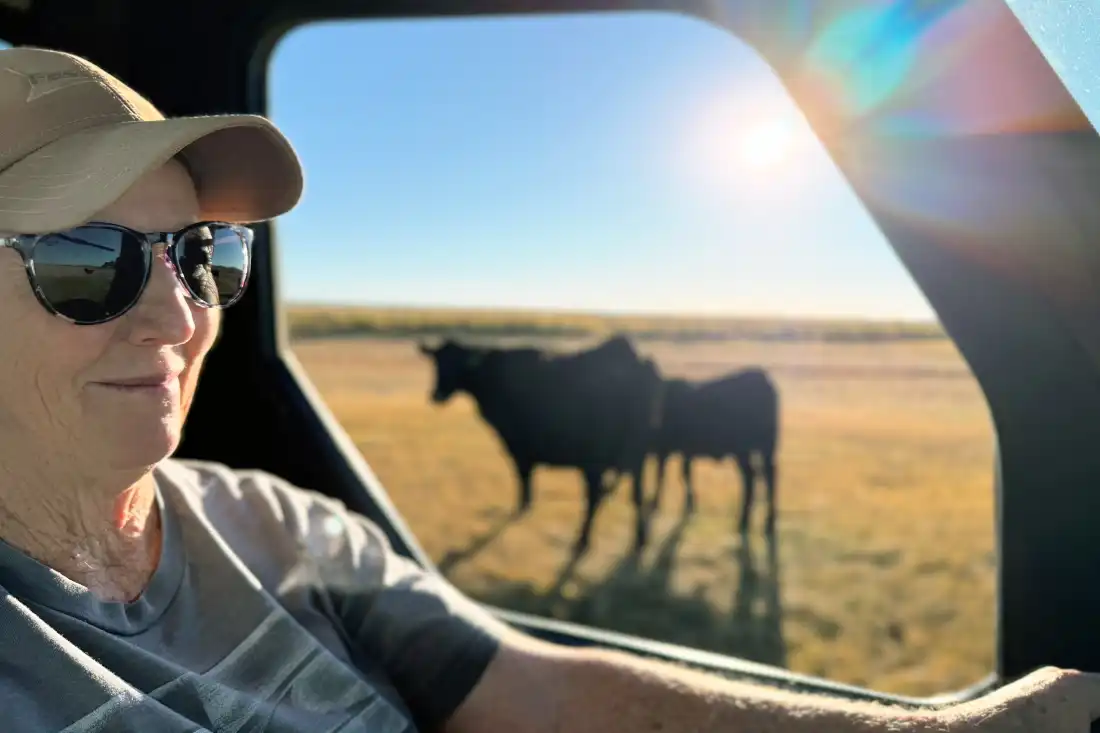
Katie Baltzor tends to her black angus cattle in Hines, Oregon, where she also navigates the local landscapes in a side-by-side vehicle. As she observes her cattle peacefully grazing, she shares a story of ‘Gravy’, a horse named for his speckled coat. Her life in ranching is deeply affected by economic and environmental challenges.
‘Fuel costs, parts costs, everything has gone up’, Baltzor notes. Despite some increases in calf prices, inflation still surpasses these gains, making ranching financially challenging. She emphasizes the love for the work as a driving factor in persisting through these difficulties.
Baltzor and her husband, Keith, recently moved their cattle along Highway 205 for routine health checks. The process includes pregnancy checks and vaccinations to ensure the herd’s wellbeing. This meticulous work on horseback emphasizes the demanding nature of cattle ranching.
The summer’s wildfires exacerbated an already tough year. These fires destroyed grazing areas in the mountains, forcing ranchers like Baltzor to relocate their herds months earlier than planned, impacting their traditional grazing timeline.
‘We had to bring them home in July instead of September’, Baltzor recalls, highlighting that fellow ranchers faced similar issues. The ravaged pastures present a dilemma as it takes years for some lands to recover enough to support grazing again.
The drought has also dried up hay meadows, limiting local feed options. The high diesel prices further strain resources as machinery relies on diesel, making hay harvest increasingly costly. Baltzor explains the strategy of rakebunching, leaving pasture hay for cattle to feed directly from the field, a method they resorted to due to economic constraints and fear of more wildfires.
Ranchers face heightened diesel costs as beef prices rise in supermarkets. Though selling calves now could be lucrative, Baltzor stresses the importance of keeping heifers to ensure future production. This long-term perspective is crucial for sustaining ranch operations.
To manage costs, Baltzor and her husband switched to gas-powered vehicles. However, financial stability varies among ranchers based on factors like equipment loans, cow loans, and land mortgages. Baltzor credits their hard work and lack of debt for their current stability, though they began with significant financial burdens.
As they close a long day in the pasture with the metallic sound of gates shutting, Baltzor reflects on the different paths into the cattle business. Despite the difficulties, she finds worth in the journey, appreciating the results of their persistent efforts. Yet, lean times persist in southeast Oregon, with the additional challenges that winter presents on the horizon.