Challenges in L.A.’s Multifamily Housing Market
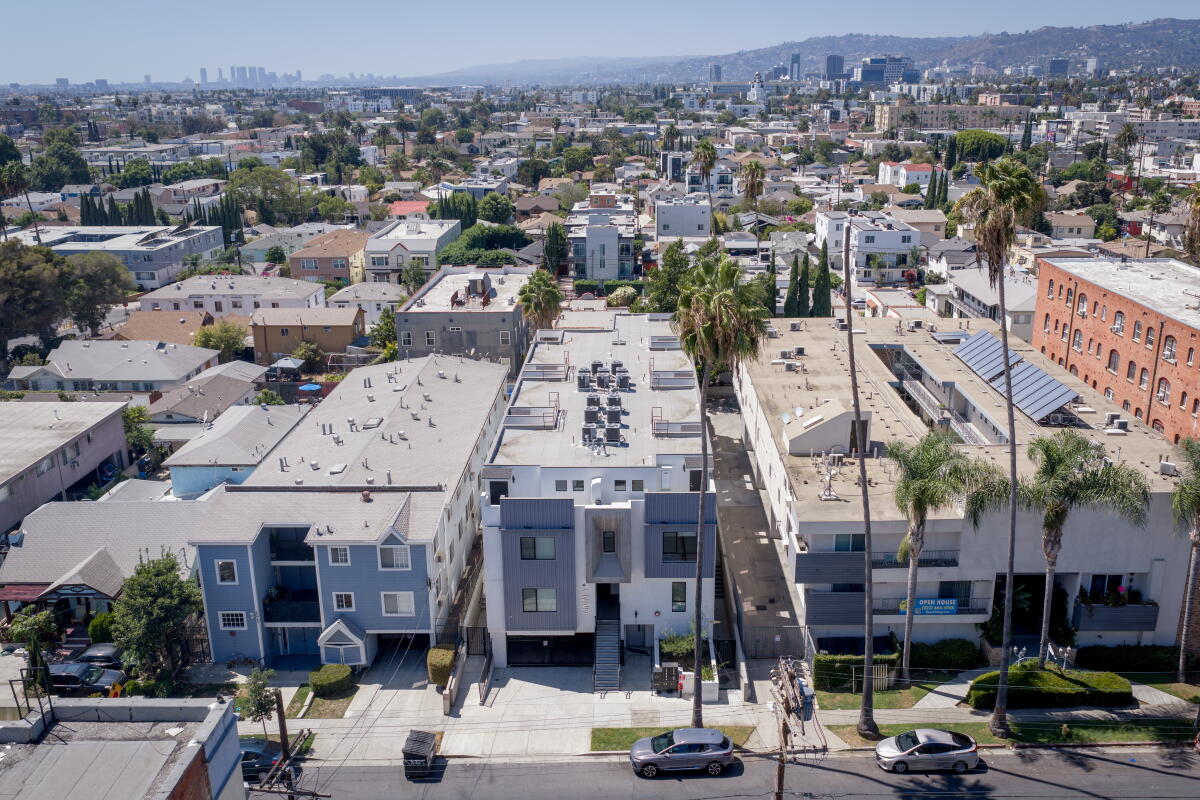
In 2021, developer Paul Schon sold a 14-unit Hollywood apartment building for $6.5 million. Recently, he repurchased the building for $4.75 million. This stark reduction highlights significant declines in apartment building values in Los Angeles over recent years.
According to real estate firm Kidder Mathews, the average sales price per unit in L.A. County’s multifamily buildings fell from $397,289 in 2022 to $280,591 in 2026. Simultaneously, Los Angeles faces a severe housing shortage. Despite state encouragement and Mayor Karen Bass implementing a faster permitting process, developers like Schon note the current market is unfavorable for new apartment construction.
Many projects are not viable due to taxes and other costs. Developers are opting for smaller projects like ADUs and townhouses, avoiding larger developments crucial for addressing the housing crisis. The market turmoil results in high rents and limits for aspiring buyers. Although there was a minor reprieve this year with four-year low rent prices, insufficient housing continues to make affordability a challenge.
Developers face several obstacles, including rising interest rates, which jumped in 2022. These financial hurdles impact developers who often rely on investor financing. Schon highlights lingering effects of pandemic-era tenant protections, such as rent freezes, which impact revenues despite their expiration.
The third challenge is Measure ULA, referred to as the mansion tax. It applies a tax of 4% to 5.5% on property sales above $5.4 million, reducing potential profits and deterring investment. Many developers now pursue smaller projects to remain under this tax threshold.
This trend results in underutilized sites where fewer units are built than possible. Already, construction completion decreased by nearly 9% in the first half of the year, according to Kidder Mathews. Building optimism seems scarce, with construction down approximately 15% from the previous year.
“We’ve been tracking an overall decline in construction for years,” noted Darin Beebower, executive vice president at Kidder Mathews.
Paige Sterling, spokesperson for Mayor Bass, highlighted efforts to remove bureaucratic barriers for developers. This includes the Executive Directive 1 aimed at expediting affordable housing projects.
Developers cite interest rates as a major national issue. Rises in rates squeeze profit margins, making borrowing less appealing. Other challenges include increasing costs for permits, fees, and compliance with regulations.
New legislative actions have not yet swayed developers to pursue multifamily projects. A potential boost came from SB 79, aimed at overriding local zoning laws to promote dense building near transit. However, no projects have yet moved forward under this bill.
Despite these hurdles, there may be opportunities for strategic investments. Recent sales illustrate losses ranging from $1.75 million to $30 million, deterring many potential developers but also highlighting potential market entry points for savvy investors.
Schon’s decision to repurchase the Hollywood property reflects a complex market with uncertain prospects. “I’m excited but nervous,” he says, as he navigates the balance of risk and opportunity within the current challenging real estate environment.