Challenges in U.S. Defense Strategy in East Asia
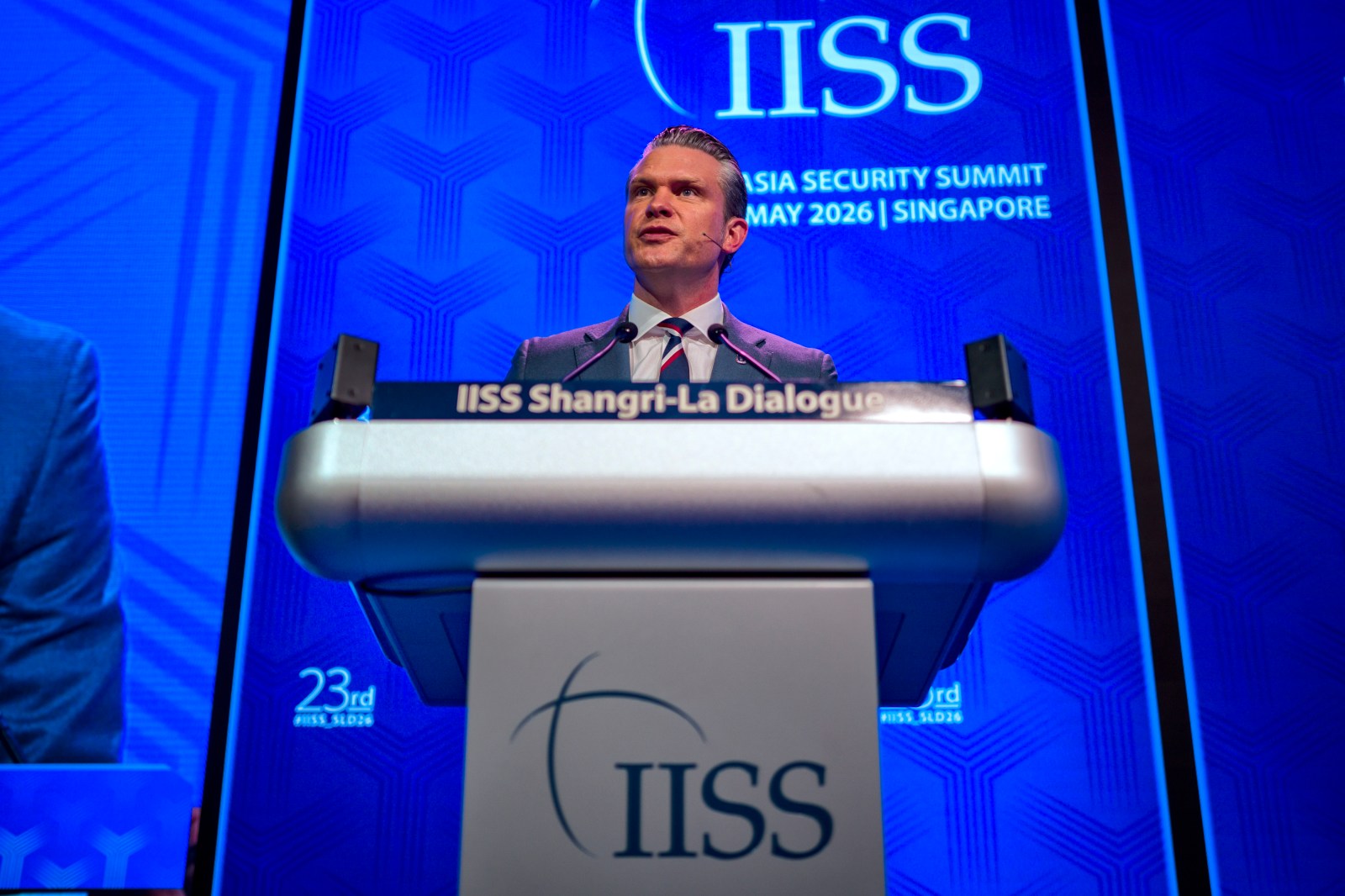
U.S. Secretary of Defense Pete Hegseth’s recent address at the Shangri-La Dialogue in East Asia raised eyebrows for its lack of direct reference to Taiwan, a crucial area in the Indo-Pacific region’s security landscape. While his speech mentioned the defense of the ‘First Island Chain’, Taiwan itself was conspicuously absent. This omission comes at a time when tensions in the area, particularly between China and its neighbors, are climbing.
Adding to the discomfort, Hegseth, during a discussion with reporters, remarked, “We respect their ambitions”, referring to China. Such ambitions often entail aggressive moves to annex parts of neighboring countries and assert control over international waters and airspaces. This sentiment echoed the tone set by President Donald Trump, who has previously undermined U.S. credibility regarding Taiwan by describing it as a ‘negotiating chip’ with Chinese President Xi Jinping.
Following the recent summit in Beijing, China has ramped up its military activities. It conducted ‘joint combat readiness patrols’ near Taiwan and heightened patrols close to the Scarborough Shoal. The South China Sea region remains a flashpoint, with China asserting sovereignty claims that clash with international norms and the interests of other nations like the Philippines.
American leaders have yet to articulate a strong stance on China. In response to Hegseth’s speech, Japan’s Defense Minister Shinjiro Koizumi directly questioned if the U.S. was truly committed to the region. According to Lance Gatling from Tokyo-based Nexial Research, Koizumi’s approach reflects a growing assertiveness within Japan’s national security circles, emphasizing transparency and cooperation with potential Asian security partners.
“The new Japan is on your side too and can get answers from America, even when you cannot,” Gatling mentioned, indicating Japan’s active role in regional diplomacy.
Japan’s proactive stance highlights a broader regional movement embracing cooperation. Initiatives such as the Japan-U.S.-Australia weapons production collaboration and the AUKUS submarine partnership emphasize regional unity. Other emerging groupings like the Quad, JAROKUS, and JAROPUS strengthen these ties. The U.S. is also expanding alliances, notably with Indonesia, by establishing the Major Defense Cooperation Partnership. Indonesia’s geographic position is pivotal, controlling essential maritime routes like the Strait of Malacca.
James Fanell of the Geneva Centre for Security Policy notes the strategic importance of these developments. “Given the renewed importance of strategic sea line choke points, like the Strait of Malacca, this U.S.-Indonesia defense pact ensures the free flow of maritime traffic and provides protection against China,” he stated.
Although Taiwan has yet to be formally included in such regional agreements, its significance in regional security is clear. For instance, Japanese Prime Minister Sanae Takaichi affirmed that a Chinese attack on Taiwan would be a ‘survival-threatening situation’ for Japan, highlighting Taiwan’s role in regional stability.
Despite Chinese backlash, notably in Osaka, Takaichi maintained her firm stance, securing a significant political mandate. Her resolve demonstrated that smaller nations could assert themselves against larger powers.
In Singapore, Hegseth reassured allies of U.S. intentions, but significant reassurance from President Trump remains essential. Skepticism lingers, leaving the region’s allies and partners on alert as they watch the unfolding dynamics.
The opinions expressed in this article belong to the author, Gordon G. Chang, writer of ‘Plan Red: China’s Project to Destroy America’ and ‘The Coming Collapse of China’. Follow him on X @GordonGChang.