Cheryl Reeve Wins WNBA Coach of the Year Once More
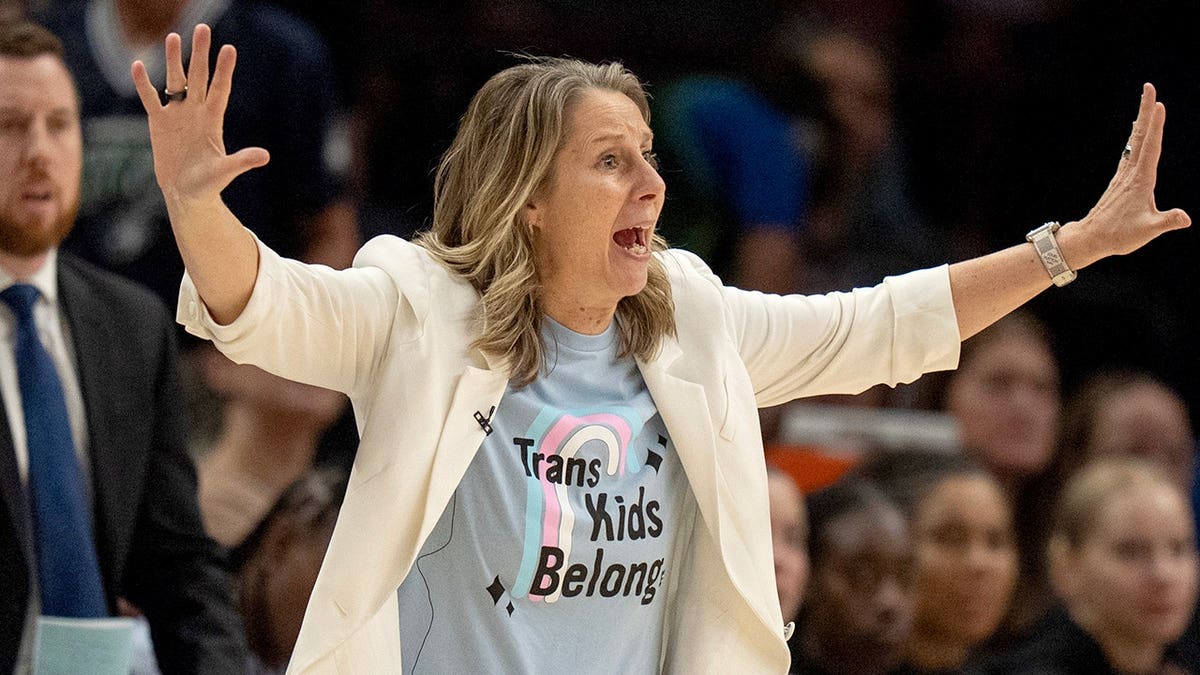
Cheryl Reeve secured her fifth WNBA Coach of the Year award as announced on Monday. The Minnesota Lynx head coach earned 40 out of 74 votes from a panel of sportswriters and broadcasters, reflecting her team’s strong season performance with a 33-11 record. This achievement underscores her basketball expertise.
Besides her coaching prowess, Reeve’s political views remain a talking point. She supports the inclusion of males in women’s sports, a stance that resonates with many in the women’s basketball media. This community often views progressive activism favorably, while marginalizing dissent.
Data supports Reeve’s win due to the Lynx’s successful season. While they finished with the WNBA’s top record, past seasons show that having the best record doesn’t always guarantee a Coach of the Year award. Last year, despite a superior record to other teams, Reeve received minimal votes.
Political discourse in the WNBA continues to stir debate. Golden State’s coach, Natalie Nakase, who placed second in the voting, stated her support for inclusivity in sports, including trans women. This echoes a common theme within the league’s discussions about women’s and inclusivity issues.
Reeve has been vocal about her advocacy, notably after wearing a “Trans Kids Belong” shirt during a game. Her comments suggested that some people wish transgender individuals didn’t exist, a strong claim that intensifies the debate over inclusivity in sports.
From a perspective of preserving women’s sports, proponents argue for separate categories, believing female athletes should compete with others of the same gender. Critics of Reeve’s stance argue that advocating for inclusivity shouldn’t come at the expense of fairness in competition.
Anecdotal support doesn’t prove the effectiveness of Reeve’s arguments. Her advocacy prompted messages of gratitude, but critics argue this doesn’t validate her position. Claims linking lack of “gender-affirming care” to life-threatening consequences lack substantial scientific backing.
Recent studies question the assumed mental health benefits of medical transitions, emphasizing the complexity of these issues. Critics like Reeve are accused of leveraging emotional arguments rather than presenting concrete evidence, casting her opponents as a threat to transgender individuals.
Calls for clarity on the topic persist. Questions arise about accusations of hatred toward those opposing mixed-gender locker rooms. Critics demand understanding rather than adversarial assumptions.
Ultimately, Reeve’s win and public discourse reflect ongoing conversations in sports and society about inclusivity, category boundaries, and the essence of competition. While her achievements as a coach are commendable, the broader implications of her views continue to provoke discussion.