China’s Trade Practices Impacting African Economies
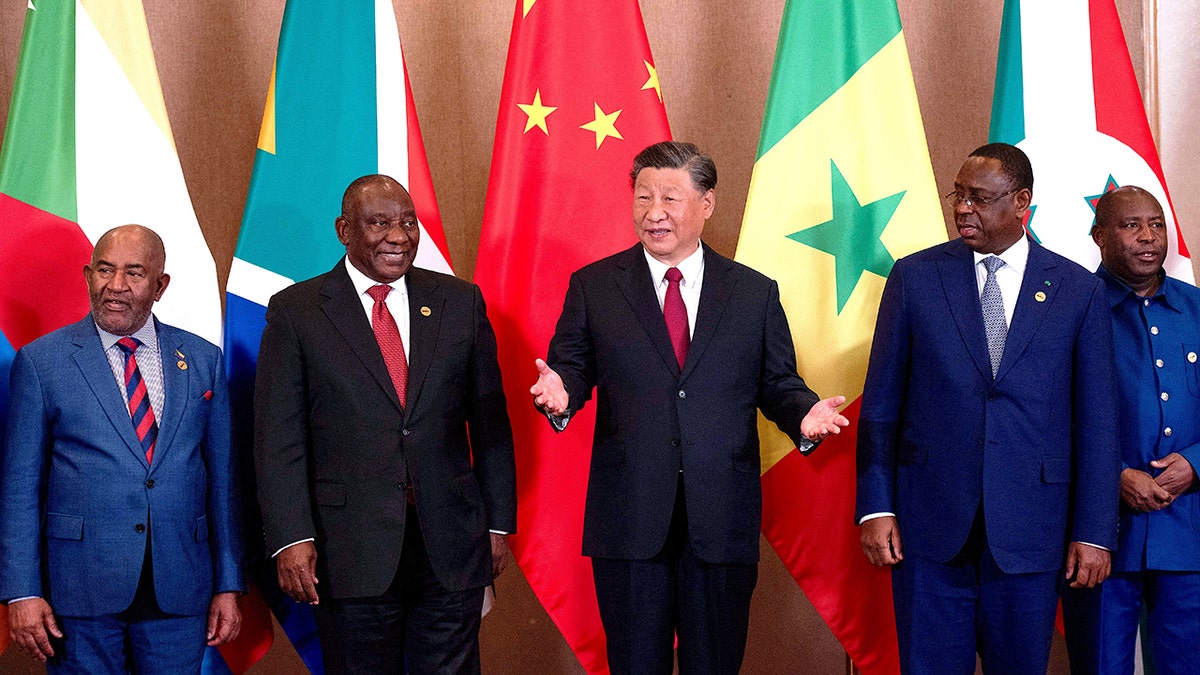
A senior State Department official criticized China’s influence on African economies, referring to a phenomenon analysts call the ‘China shock wave.’ African manufacturing is struggling due to an influx of Chinese imports. This issue arises from China extracting raw materials like critical minerals from Africa and exporting state-subsidized products back to the continent. Import levels from Africa do not match the volume exported by China.
The China Global South Project reported that in 2025, Chinese exports to Africa were valued at $225 billion, while imports from Africa totaled only $123 billion. China’s economic practices have led to substantial debt and economic challenges for African nations, overshadowing local industries with a surplus of Chinese imports.
Assistant Secretary of State for African Affairs, Frank Garcia, explained to Fox News Digital that China’s trade practices harm countries globally, causing economic coercion and threatening local industrial development. He emphasized the U.S. commitment to providing credible alternatives using public and private financing to enhance national safety, strength, and prosperity.
Elaine Dezenski from the Foundation for Defense of Democracies noted that China is the leading trading partner for several African countries. However, these nations remain primarily exporters of minerals and resources, receiving finished goods from China instead of advancing their value chain. While China faces tariff barriers in U.S. and European markets, its influence in Africa negatively affects local manufacturing aspirations.
China has invested in Mozambique infrastructure, requiring Chinese companies to manage construction projects. Although Mozambique is among the world’s poorest nations, local workers often remain inactive while Chinese workers undertake significant projects.
China’s automotive industry has begun influencing South African consumers, with 17% to 40% of car sales in South Africa comprising vehicles from China. The Chinese government-owned carmaker Chery purchased South Africa’s Nissan plant, marking their commitment to manufacturing in Johannesburg.
Despite historical Western leanings within South African and sub-Saharan business sectors, China’s industrial influence is altering the market dynamics. Analyst Frans Cronje notes that Western firms now face challenges in competitiveness due to changing consumer preferences and China’s expanded presence.
The U.S., however, continues to pursue economic transactions with Africa, reportedly closing 37 commercial deals since President Donald Trump’s second term, totaling $25.67 billion. While U.S. trade with Africa was valued at $83.4 billion, China claimed its trade with Africa reached $348 billion.
Assistant Secretary Garcia reaffirmed the U.S. commitment to reshaping the global market for critical minerals and rare earths. The aim is to establish diverse, secure, and reliable supply chains by collaborating with African partners to mitigate risks from non-market actors.
Fox News Digital reached out to the Chinese embassy in Washington D.C. for further comment.