Colt Gray Sentenced to Life Without Parole for Apalachee High School Shooting
Colt Gray, a teenager from Georgia, has received a life sentence without parole for his role in the 2024 Apalachee High School shooting. On Tuesday, Judge Nicholas Primm delivered the verdict after three days of testimony from various parties, including survivors, victims’ families, and experts. Gray had pled guilty to all 55 charges, which included four counts of murder.
Gray admitted to killing teachers Richard Aspinwall and Cristina Irimie, along with students Mason Schermerhorn and Christian Angulo. The shooting also left another teacher and eight students wounded. Gray was 14 at the time, and Georgia law prevented the pursuit of the death penalty.
Judge’s Perspective on Gray’s Actions
During sentencing, Judge Primm noted Gray’s deliberate actions. He emphasized that Gray’s actions were not driven by emotions but by a quest for notoriety. Primm said, “You studied the trials of shooters and understood your actions.” Gray’s fascination with infamy was evident through his writings and planning before the attack.
The judge recognized failures in Gray’s upbringing but stressed they did not justify his actions. Gray’s idolization of previous shooters played a significant role in the decision to sentence him to life without parole.
Impact on Victims’ Families
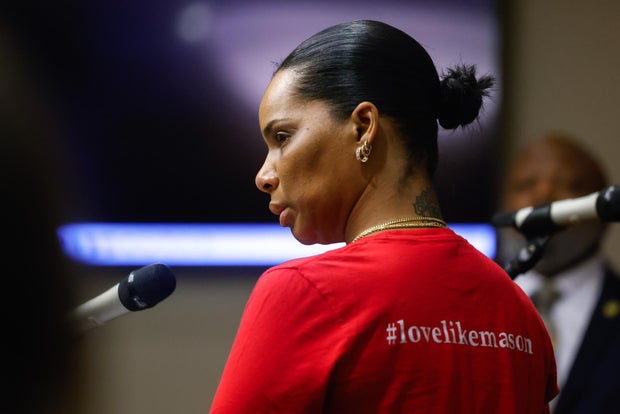
The sentencing hearing included emotional statements from victims’ families. They described the ongoing trauma from the loss of their loved ones. Mason Schermerhorn’s family remembered him fondly and shared the lasting effects his death has had on them.
Prosecutors’ Arguments
Prosecutors highlighted evidence that showcased Gray’s detailed planning of the shooting. They presented recovered messages and notes showing his interest in past shooters like Nikolas Cruz. During the hearing, maps and writings detailed Gray’s preparations and intentions for his attack.
District Attorney Brad Smith argued that Gray’s desire for fame was evident and noted similarities between Gray’s behavior and other mass shooters. He stressed that Gray was calculating, even during interviews with investigators post-arrest.
Defense’s Stance on Gray’s Mental Health
The defense argued that Gray’s actions should be seen in the context of his troubled background and mental health struggles. Forensic psychologist Dr. Kevin Richards testified about Gray’s childhood marked by instability and neglect. He explained Gray’s increasing isolation and interest in violent online communities.
Richards noted Gray had expressed remorse and was diagnosed with a personality disorder. However, he acknowledged that Gray exaggerated some mental health symptoms, and no severe mental illnesses like schizophrenia were found.
Juvenile Counselor and DFCS Testimony
Steven Baker, a counselor, testified about Gray’s behavior in custody, describing him as cooperative and compliant with rules. He detailed Gray’s participation in rehabilitation programs.
DFCS Commissioner Candice Broce discussed the agency’s involvement with Gray’s family, highlighting abuse allegations and concerns for his well-being. She said Gray’s mother had a detrimental influence on him.
Gray’s grandmother corroborated the prosecution’s perspective on the family’s failures. Despite the severity of Gray’s actions, defense attorney Charlton Allen argued against a life without parole sentence.
Guilty Plea to Avoid Trial
Gray’s non-negotiated guilty plea avoided the need for a jury trial. The plea meant Gray acknowledged the charges and the rights he was waiving by pleading guilty.
Gray’s father, Colin Gray, faced his own legal proceedings for his involvement in providing the weapon used in the shooting.