Concerns Grow Over ‘Gas Station Heroin’: States Move to Ban Tianeptine
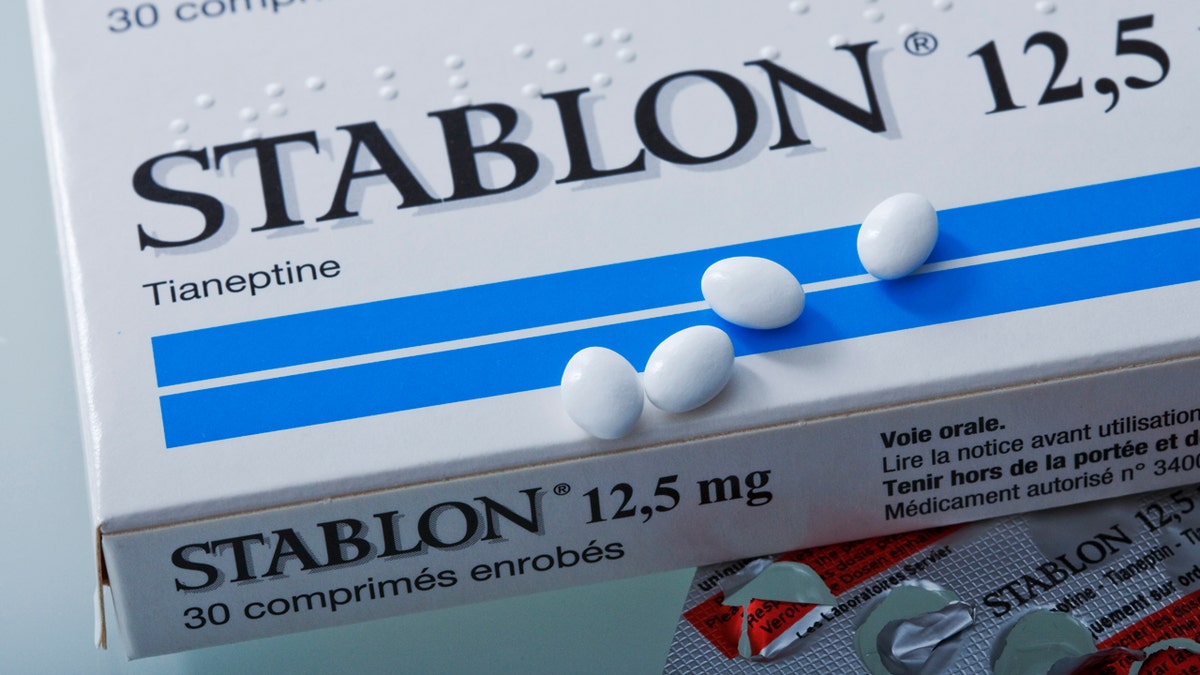
Tianeptine, often referred to as ‘gas station heroin,’ has raised alarms among medical experts. Fourteen states have classified this tricyclic antidepressant as a Schedule I controlled substance. Connecticut recently joined this group, officially banning its sale and use.
Warnings from Health Authorities
The U.S. Food and Drug Administration has reported that tianeptine can be more potent than morphine and addictive opioids. Misuse may lead to severe health risks, including respiratory depression and cardiac arrest. Some countries have restricted its prescription or revised warning labels due to its addictive nature.
The Drug Enforcement Administration has highlighted the product’s euphoria-inducing capabilities at higher doses. It can lead to sedation and even death. Products containing tianeptine are marketed for pain relief, anxiety, depression, or mental alertness.
Distribution and Marketing Tactics
Convenience stores, gas stations, vape shops, and online retailers sell these products under names like Tianaa, ZaZa, and Neptune’s Fix. Connecticut Lt. Gov. Susan Bysiewicz noted their misleading marketing and candy-like flavors pose threats, especially to those facing substance-use disorders and youth.
Connecticut’s ban extends to other substances such as Mitragyna speciosa (kratom) and 7-hydroxymitragynine. FDA Commissioner Martin Makary has expressed concern over these trends and their risks to young Americans.
Expert Insights on Tianeptine and Kratom
Dr. Robert Schwaner from Stony Brook Emergency Medicine explained the serotonin reuptake effects creating euphoria at low doses. At higher doses, the mu-opioid receptor stimulation becomes dangerous.
He emphasized the need for national regulation due to potential tolerance, dependence, and withdrawal symptoms associated with tianeptine.
Fox News senior medical analyst Dr. Marc Siegel warned of kratom’s role in the U.S. addiction crisis. Its active compound is potent at the opioid receptor, lacking any FDA-approved medical use.
Despite the common availability of such substances, routine testing does not usually cover them, even in overdose cases. Calls for stricter regulation and oversight are increasing.