Concerns Over NYC Rent Freeze Impact on Housing
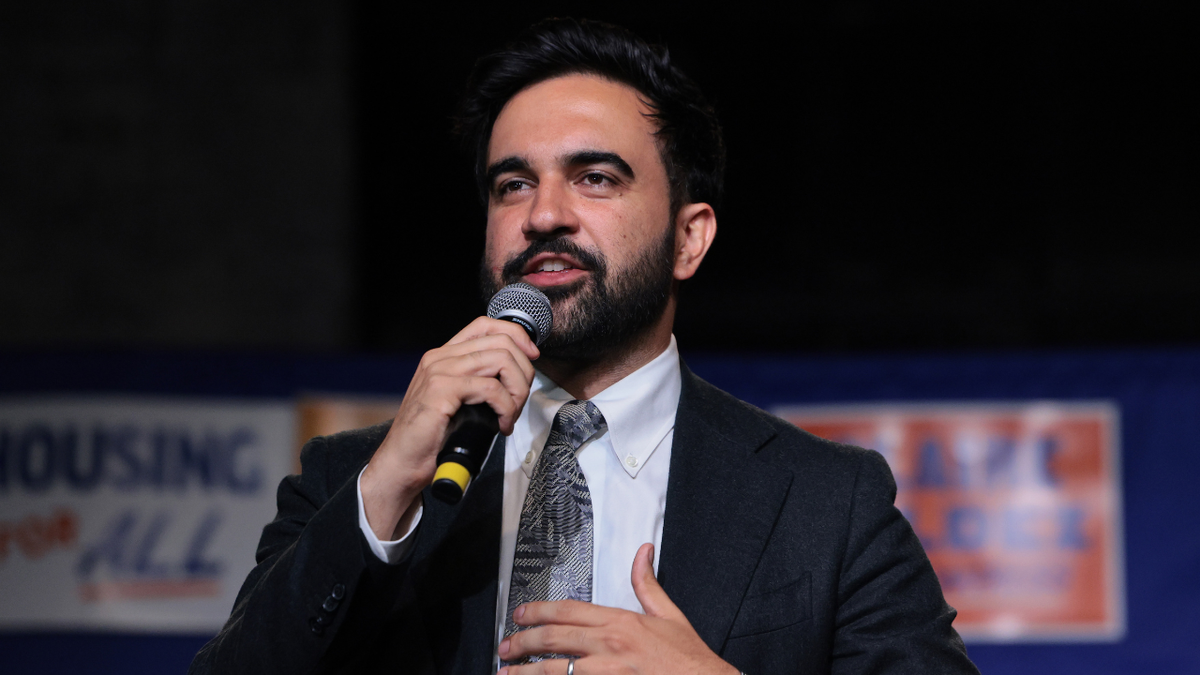
Arpit Gupta, a New York University finance professor and member of New York City’s Rent Guidelines Board (RGB), expressed concerns about the city’s rent freeze policy. He told Fox News Digital that the freeze might gradually lead older rent-stabilized buildings into disrepair. Without sufficient rental revenues, landlords could struggle to fund necessary capital improvements.
Gupta also fears that this policy, a central promise of Mayor Zohran Mamdani, could make it harder for landlords to cover their expenses. He described the situation as a ‘slow burn,’ pointing out risks like deferred maintenance that may degrade building conditions. Gupta also mentioned the possibility of landlords falling behind on mortgage payments, insurance, and property taxes, potentially resulting in properties being repossessed by banks or the city.
“There are other avenues of distress, like going behind on mortgage payments, insurance payments, eventually property taxes,” Gupta said, “which leaves the property to be transferred in ownership to a bank or to the city, possibly for a tax lien sale.”
Despite acknowledging the pressure on landlords due to rising property tax and insurance costs, RGB Chair Chantella Mitchell maintained that most landlords can still cover these increasing expenses. Gupta, appointed by former Mayor Eric Adams in 2022, argued that older buildings relying heavily on regulated rents face more significant challenges than newer properties.
The rent freeze, effective from Oct. 1, 2026, to Sept. 30, 2027, impacts approximately 1 million rent-stabilized apartments. Landlords could potentially wait until September 2029 before legally raising rents again. The board’s decision under Mamdani goes beyond previous rent freezes implemented under former Mayor Bill de Blasio, which only affected one-year leases.
Gupta criticized the rent freeze as a blunt tool that fails to address the city’s affordability crisis effectively. He pointed out that about 30% of rent-stabilized tenants earn six figures, while many in market-rate housing are below the poverty line. Gupta advocates for targeted assistance to low-income residents rather than across-the-board rent stabilization.
“To have a system that provides so many benefits for one sector of the housing stock while completely leaving out the market-rate tenants means that we have an incompletely targeted program,” Gupta remarked.
Gupta also warned that the rent freeze might encourage landlords to leave units vacant. Reports indicated that over 57,000 stabilized apartments were vacant in April 2025, although state housing officials noted that some units were still being prepared for new tenants. Gupta believes that rent freezes complicate the process of recouping renovation costs, discouraging owners from renting out these apartments.
Landlords often cite the 2019 Housing Stability and Tenant Protection Act, which removed the ‘vacancy bonus,’ as a significant reason for reduced revenues. This change made it challenging for them to recover renovation expenses.
Despite Gupta acknowledging the challenges tenants face in affording rent, he highlighted the board’s efforts to set rents below building cost increases and other economic indicators. Nonetheless, the city’s expenditure on covering tenants’ back rent increased significantly from 2022 to 2025, according to a rental board study.
While Gupta disagrees with the board’s decision, he rejected claims that the outcome was predetermined after Mamdani restructured the board. He emphasized that the mayor’s appointees to the board acted independently.
Gupta remains concerned that the rent freeze might extend longer than necessary, as Mamdani’s campaign promised continual freezes. He urges a clear understanding of conditions that would necessitate rent increases in the future.