Controversy Surrounding DiJonai Carrington and Sophie Cunningham in the WNBA
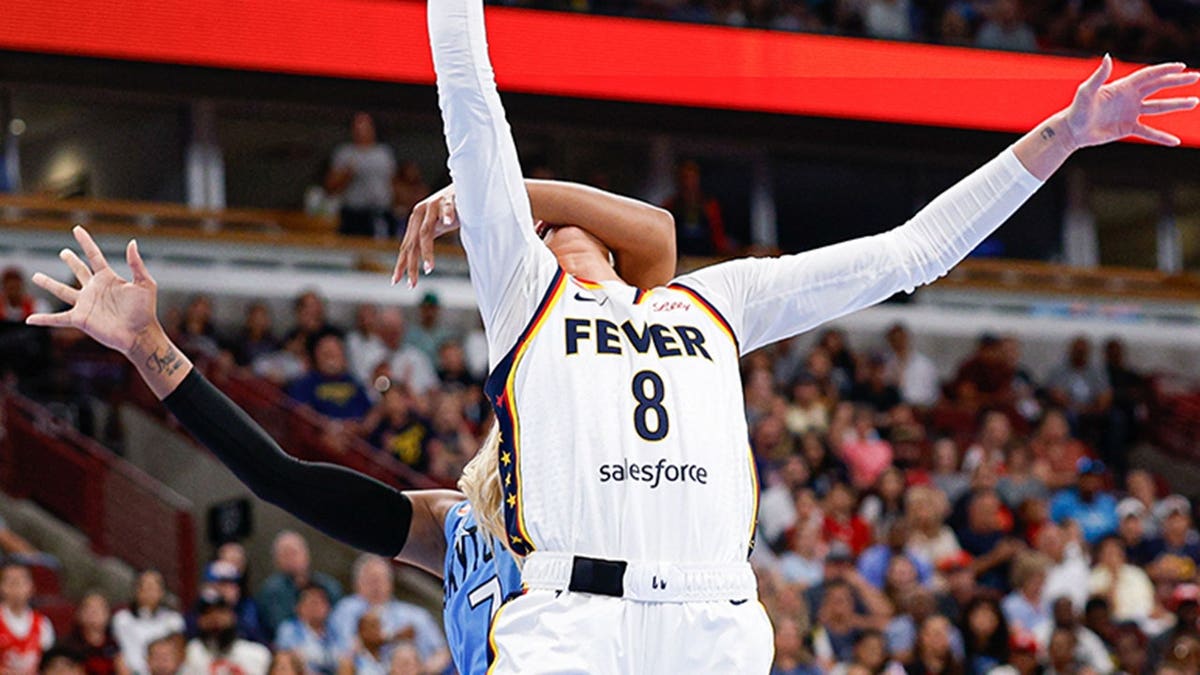
The incident involving DiJonai Carrington and Sophie Cunningham highlights ongoing racial tensions in the WNBA. Carrington’s clothesline tackle on Cunningham, resulting in a flagrant foul, sparked debate. Carrington was ejected, and the response on social media further fueled the controversy.
After the ejection, Carrington posted about “White privilege,” alleging racism within the league. This accusation was without evidence, but it spurred debates among sports commentators and fans. Notably, commentators such as Jemele Hill and Cari Champion defended Carrington, questioning whether Cunningham received different treatment when she committed a foul in the past.
Hill pointed out that Cunningham, known for aggressive play, gained followers after a similar incident. In contrast, Carrington faced racial slurs and calls for suspension. Her defenders argue the differences in reactions demonstrate a racial double standard. However, some, including Cunningham herself, refuted the racial angle. She acknowledged her past foul deserved an ejection and stated that the recent incident was unrelated to race.
Other commentators, like Maria Taylor from NBC, discussed Carrington’s actions without referencing her “White privilege” post. This omission led to criticism from those who saw it as an attempt to shield Carrington from scrutiny. Similarly, ESPN’s analysis framed Carrington’s foul as accidental, ignoring the social media uproar.
Furthermore, former ESPN anchor Cindy Brunson controversially claimed Carrington’s Flagrant 2 was unjustified, implying Cunningham should have been ejected. Brunson’s comments on “reverse DEI” received backlash, as did Sydney Colson’s Threads post endorsing Carrington’s play.
The debate exposes rifts within the WNBA about race and identity. Some media figures and players may excuse misconduct based on racial or sexual identity. This dynamic complicates support for the league, overshadowing the focus on basketball itself. Concerns grow about potential injuries if these attitudes persist.
The incident has become a focal point in discussions about racial dynamics in sports media. It challenges perceptions of fairness and accountability and heightens tensions within the WNBA.