Controversy Surrounding VAR in the World Cup
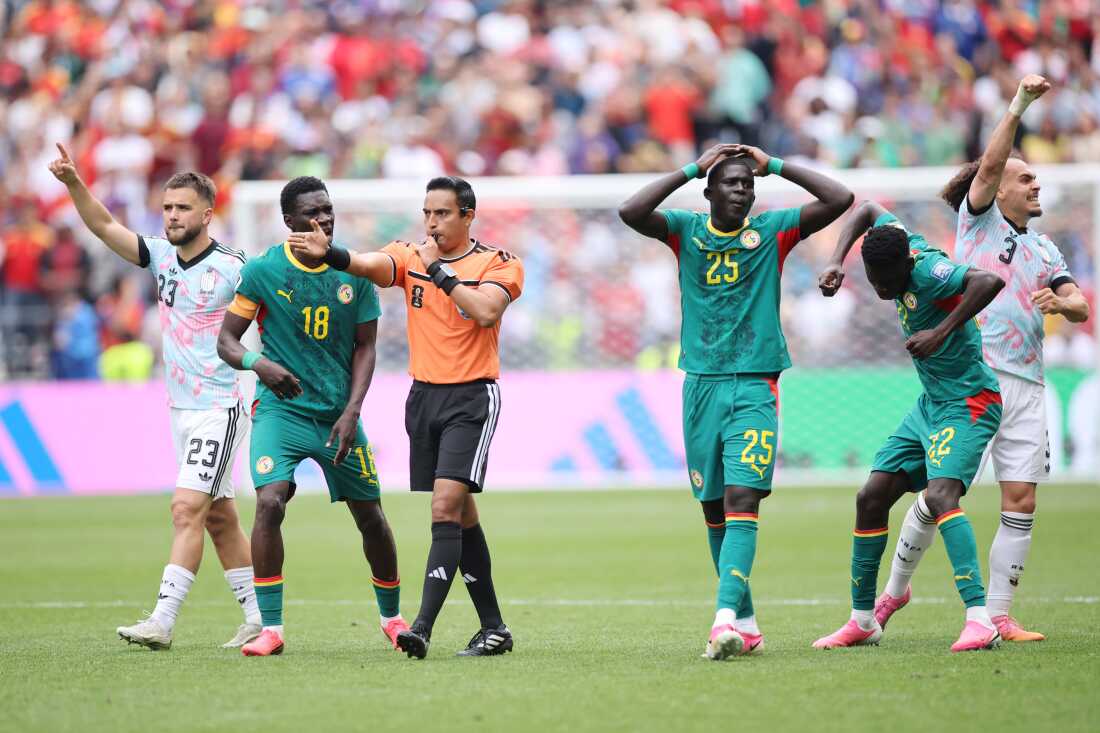
During the World Cup match between Belgium and Senegal held in Seattle on July 1, a VAR review led to a penalty for Belgium. This decision, made by FIFA referee Said Martinez, highlights the ongoing debate over the use of VAR technology in soccer.
The VAR system has become a significant point of contention in this year’s World Cup. FIFA claims it ensures fairness in the game, but many fans and teams feel its presence has grown excessive. Initially, both fans and players welcomed VAR. This enthusiasm dates back to a 2009 qualifying match between France and Ireland. During that game, Thierry Henry used his hand to assist a goal, a foul that went unpunished by the referee. This incident recalled another notorious moment in the 1986 World Cup when Maradona’s ‘Hand of God’ goal against England went unchallenged. By 2009, technology capable of preventing such errors was available, sparking calls for its use.
FIFA traditionally hesitates to change rules, evident in the slow implementation of substitutions and the introduction of red and yellow cards in 1970. Before these cards, referees issued warnings or expelled players for misconduct. Testing for potential changes often occurs in the United States, where fans embrace technological advances more readily. VAR trials began in Major League Soccer during 2014 and 2015, leading to its official World Cup debut in 2018. The system uses multiple video angles to assist referees in making decisions.
According to Professor Chris Davis of Adelphi University, VAR received positive initial feedback for improving game integrity. However, its frequent use in the 2026 World Cup, particularly in assessing offside plays, has drawn criticism. The offside rule, established over 150 years ago, involves 45 clauses and about a thousand words. It is a complex rule meant to prevent easy scoring opportunities by restricting player positions relative to the ball and opponents.
In several World Cup matches, VAR’s role in offside determinations led to significant controversy. For example, in an Iran and Belgium match, an Iranian goal was disallowed because a player’s position was deemed offside. Similarly, a Colombian goal was voided for an offside call involving an attacker’s toe. Felipe Cardenas from The Athletic criticizes how this technology disrupts match flow and affects goal celebrations, as players await VAR confirmations.
A particularly contentious game involved Egypt and Argentina. Egypt initially dominated, scoring a second goal only for VAR to highlight an earlier foul across the field. The goal was canceled, and Argentina eventually won. This incident prompted Egypt to protest, questioning VAR’s application and the technology’s overall role in the tournament.
Discussions around VAR and technology in soccer mirror broader societal debates about balancing tech advantages with its overuse. Cardenas suggests that accepting human error remains part of sports fandom. While technology aims to minimize mistakes, it’s crucial to find a balance between technological assistance and preserving the game’s human element.