Controversy Surrounds U.S. Army’s Planned Detonation in Iowa
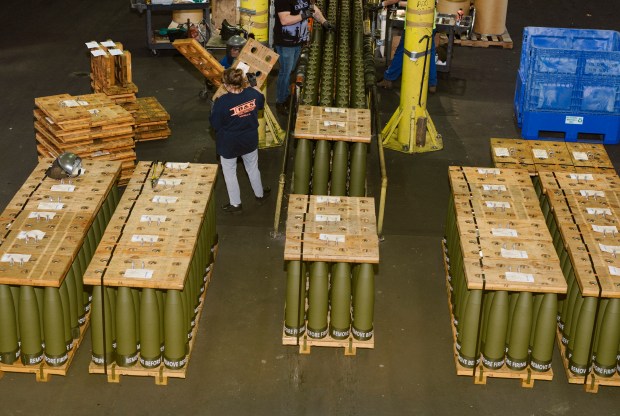
The U.S. Army had planned a dramatic operation that could resemble scenes from a disaster movie. The plan involved explosive detonations leading to shattered windows and mass evacuations, while toxic dust clouds spread over extensive areas. Officials aimed to detonate 68 drums of highly volatile lead azide at an ammunition depot in southeast Iowa, claiming it was the only safe option available.
Initially, Army computer models indicated that the plume of harmful lead could travel over 100 miles into western Illinois, contingent upon weather conditions. Concerns were raised by local officials, including Michael Cheusse, Aledo’s city administrator, regarding lead particles potentially drifting into rural areas. Environmental groups responded by filing a lawsuit against the Army, hoping to halt or postpone the detonations.
Late Thursday, Acting Army Secretary Adam R. Telle announced a postponement of the detonation on social media, citing public safety as the top priority. The new date set for the controlled detonation was Monday, November 23, targeting a window before a forecasted temperature drop to prevent further destabilization of the material. Lead azide, recognized for triggering bombs and rockets, is being phased out due to its risks.
The Army has been criticized for allowing the lead azide to reach a dangerous state at the Iowa facility, making its relocation inadvisable. Documents published by the Army describe on-site destruction as essential for restoring military-industrial readiness. However, they did not respond to inquiries from the Chicago Tribune about the situation.
The U.S. Environmental Protection Agency (EPA) had granted an emergency permit for the detonation after months of consultation. Nonetheless, the public was informed only recently, leaving a gap in communication. Sen. Tammy Duckworth voiced her disapproval on social media, criticizing the abrupt warning families received and the potential health risks involved.
“This was unacceptable and a failure of leadership,” Duckworth posted.
Other officials, like U.S. Rep. Eric Sorensen, emphasized precautionary measures for residents in potential risk areas, advising them to seal their homes and limit travel. Bruce Lanphear, an expert in lead poisoning, expressed skepticism about the Army’s commitment to pre- and post-detonation analyses, describing public assurances as inadequate.
Despite pledges to deploy air monitors and test soil downwind from the explosions, the Army’s plans met opposition amid presidential policy changes reducing protective guidelines against lead exposure. Criticism underscored the lack of public involvement in the decision-making process. Meteorologist David Cousins reported wind conditions potentially directing dust north of Middletown, with detonation contingent on wind speeds below 15 mph.
State officials and environmental organizations continue to watch closely, acknowledging that even trace amounts of airborne lead can cause long-term harm while evaluating measures to monitor pollution from the planned Army actions.