Debate Over California’s Proposition 40 and Billionaire Tax
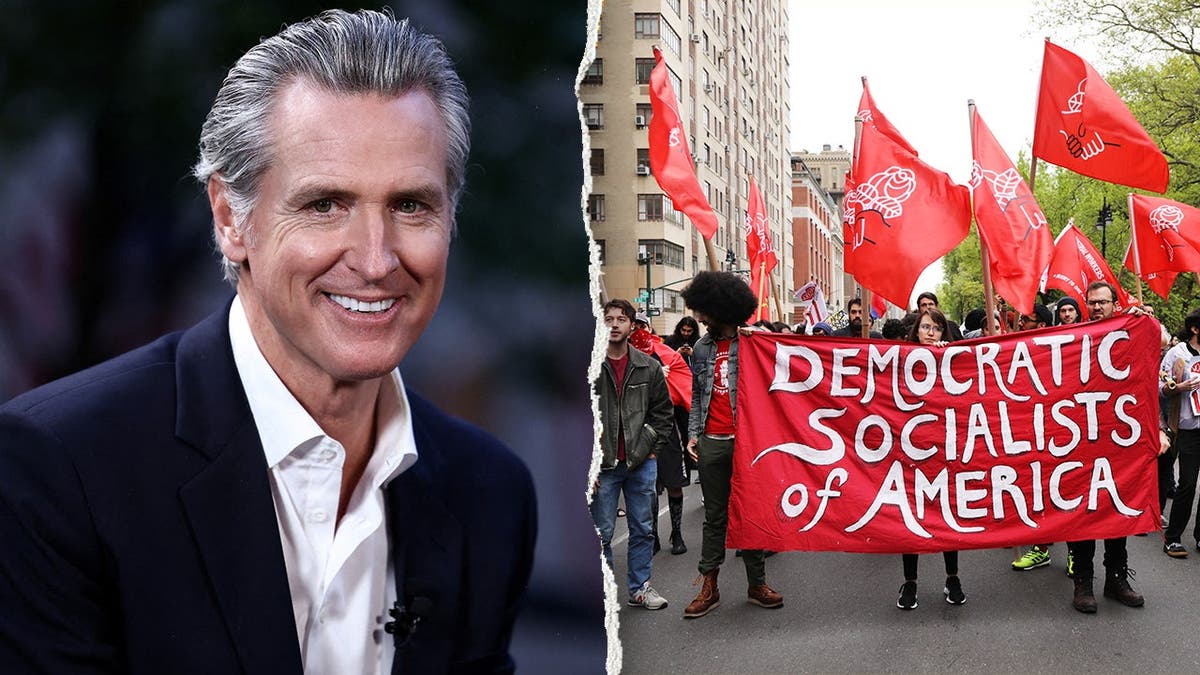
As the November midterms approach, the Democratic Socialists of America (DSA) have advocated for California’s Proposition 40. This measure aims to impose a one-time 5% tax on billionaires in the state.
Despite trailing in the election results, the bill has sparked discussions about socialism’s goals of wealth redistribution and the potential for capital flight. Richard Stern from Advancing American Freedom (AAF) criticized the tax, suggesting it targets wealth creators to shift money to the state.
The DSA’s stance on Proposition 40 has also clashed with other Democrats like Governor Gavin Newsom, who opposes the measure. This proposition would levy a 5% tax on assets such as businesses, securities, art, and intellectual property. However, it exempts certain pensions, real estate, and retirement accounts.
Proposition 40 is designed to backdate its application to billionaires in California as of January 1, 2026. The DSA’s California chapter has provided a PowerPoint presentation for supporters to promote this policy.
We have the money in California to finance quality schools and healthcare. It simply needs to be redirected. We can achieve this by taxing the rich,
the presentation states. The DSA argues that the tax could help address a projected $100 billion shortfall in the state’s Medi-Cal program. This program offers health insurance to low-income individuals, seniors, and people with disabilities. The proposal specifies that 90% of the funds would support healthcare, while the remaining 10% would be directed to education, food assistance, and tax administration.
The DSA describes the policy as an enhanced version of a progressive tax system, which scales relative to income. The wealth tax targets approximately 250 Californians, who collectively hold $2 trillion in wealth.
Let’s be clear: if the Billionaire Tax passes, none of the billionaires will lose money,
the group’s materials explain, noting their wealth grows at 7-8% annually. Stern, however, believes this perspective misunderstands how wealth functions.
California Governor Gavin Newsom opposes the measure, citing potential competitive disadvantages. He mentioned widespread opposition among various groups, including firefighters, teachers, and labor organizations, saying,
I think the majority of Californians oppose it,
noting concerns about people leaving the state due to the tax.
Newsom suggested an alternative, Proposition 42, to block new state taxes on personal property and limit retroactive taxes. This proposal is likely to pass.
He also expressed willingness to reconsider a wealth tax if applied nationally, asserting that a federal perspective might lead to a different outcome.
Stern noted that implementing such taxes at a federal level presents challenges, but on a broader scale.
You can more easily leave California, but you could give up American citizenship and move abroad,
Stern said, referencing historical barriers for keeping people in certain systems.
Stern argued that Proposition 40 would essentially transfer control over businesses, the primary wealth source for billionaires, from private hands to politicians.
Leo Briceno, a politics reporter for Fox News Digital, reported from the congressional team and previously worked with World Magazine.