Delay Continues for 9/11 Trial as Families Await Justice
Nearly 25 years after the tragic events of September 11, where almost 3,000 people lost their lives, families of the victims are facing the possibility that justice might still elude them. The trial of the alleged 9/11 mastermind, Khalid Sheikh Mohammed, along with three other defendants, is tentatively scheduled for June 5, 2028. However, this date remains uncertain due to ongoing legal challenges.
Legal Obstacles
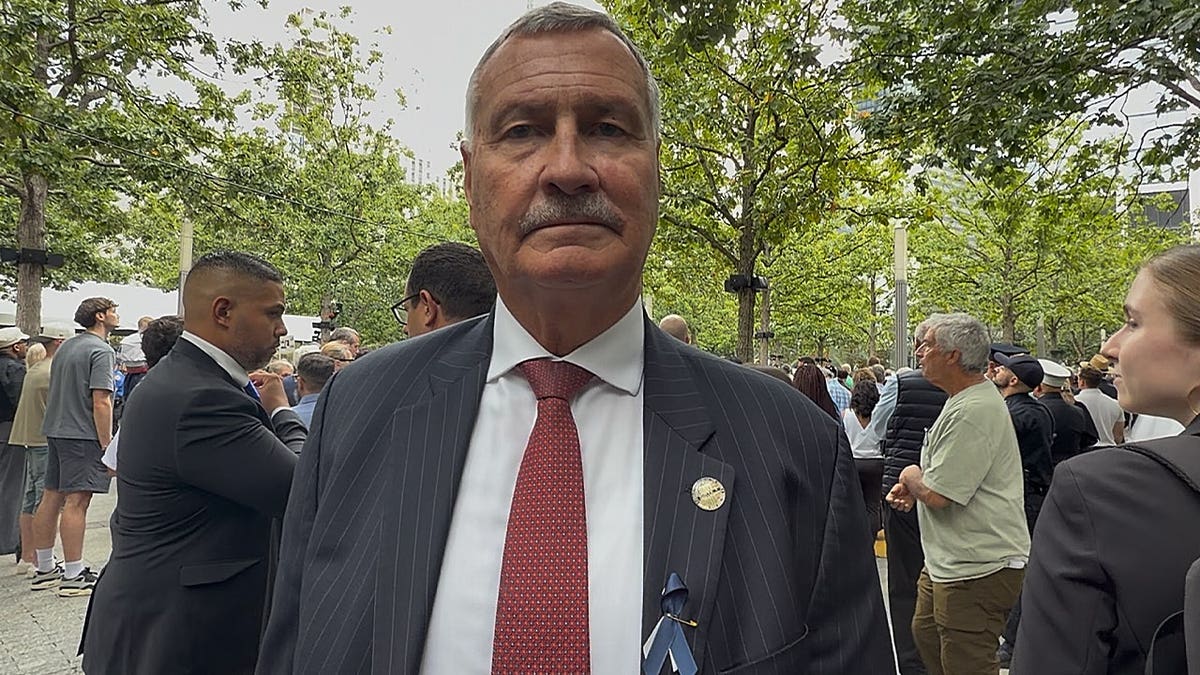
A recent ruling has barred prosecutors from using statements Mohammed made to FBI agents, adding to the complex challenges surrounding this case. John Ryan, former chief of the Port Authority Police, expressed the frustration shared by many as the legal process drags on. He worked on the recovery at Ground Zero and highlights that these delays only deepen the emotional wounds each anniversary of the attacks. Ryan, who later joined the FBI’s Joint Terrorism Task Force, voiced his disappointment at the prolonged lack of resolution.
It’s like an open sore, and that sore gets even more hurtful when we get to anniversaries,
He notes that despite the defendants being in custody, no verdict has been reached after all these years.
The Long Wait for Justice
The delays have posed significant challenges for the families affected by the attacks. Sean Passananti, whose father died in the North Tower, described the case as feeling detached from the enormity of the crime due to the passage of time. He regularly attends memorial ceremonies, emphasizing the ongoing struggle for justice. Dennis McGinley, who lost his brother in the attacks, also expressed frustration over the inability to close this painful chapter. He calls for leadership to resolve this longstanding legal battle.
For the families of victims, the trial delays serve as a constant reminder of their loss. Ryan lost colleagues during the attacks and remains involved in counterterrorism work to this day. The legal process has been hindered by changes in judges, a collapsed plea agreement, unresolved motions, and a mountain of litigation.
Challenges in Prosecution
Since being arraigned in 2012, the defendants have been under military commission jurisdiction. Mohammed, apprehended in 2003, faced harsh interrogation techniques while held by the CIA at undisclosed locations. The issue of whether statements obtained post-torture are admissible remains a significant obstacle. Prosecutors argue later FBI-obtained statements should be valid. However, recent rulings excluding Mohammed’s 2007 FBI statements have complicated matters further.
In 2024, plea agreements to avoid the death penalty collapsed, sparking new litigation. Earlier, attempts to prosecute in federal court faced opposition and were moved back to Guantánamo’s military commissions.
The Broader Implications
The unresolved legal proceedings come at a financial cost and lack of closure for those affected. Civil lawsuits against Saudi Arabia continue independently of the criminal case, albeit interconnected through efforts to uncover the full scope of support for the attacks. Families hope for a resolution that could lead to broader understanding and accountability. With the current timeline, trials may begin in 2028, leaving many families anxious about seeing justice in their lifetime.
John Ryan concludes that the justice system should prioritize victims rather than the defendants. The prolonged journey to justice underscores the complexities surrounding the case and the enduring impact on those who lost loved ones on that fateful day.