Democrats Aim for Congressional Gains Amid Shifting Political Landscape
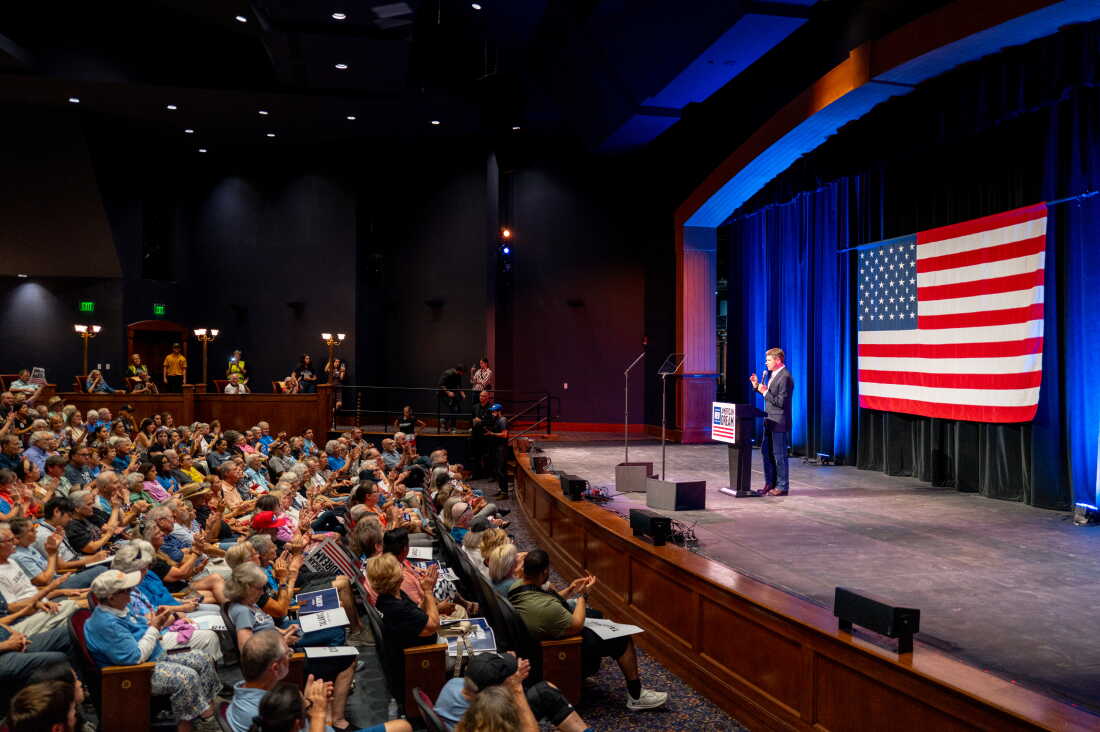
As Labor Day approaches, marking the unofficial start of the general election season, a shift in the political landscape is becoming evident. Democratic Senate candidate James Talarico recently addressed supporters during a rally in Kerrville, Texas, on August 31, 2026. His appearance reflects increased Democratic enthusiasm, driven by opposition to President Trump’s unpopular second-term agenda. Competitive races are now shaped by these changes two months before Election Day.
Currently, Republicans maintain slim majorities in both the House and Senate. Historically, the party in power suffers losses during midterms, and early indicators from the 2026 primaries suggest a potential turnover. Public opinion polling during Labor Day weekend suggests Republicans may lose control of Congress, particularly in traditionally conservative areas. Voter concerns center around pressing issues such as the Iran conflict, immigration, tariffs, and rising gas prices. Criticism has been directed at Trump’s focus on projects like the White House ballroom construction over pressing national matters.
In the aftermath of significant defeats in 2024 elections, Democrats have rallied their base and gained traction with dissatisfied independents. Mid-decade redistricting by both Republican and Democratic states aims to secure safe seats for their parties. Despite these efforts, polling averages hint that Democrats are favored to take the House, with voters increasingly preferring Democratic representation.
The Senate’s outlook initially appeared uncertain for Democrats due to competitive races in Georgia and North Carolina, benefitting Republicans. However, focus has shifted to Republican strongholds like Iowa, Texas, Ohio, and Alaska. Control over the Senate remains uncertain. Democratic candidates in these areas benefit from strong fundraising and, in certain cases, third-party candidates attracting votes from dissatisfied individuals.
The midterms hinge on two key elements: fundraising and messaging. Democrats are leading in fundraising for critical races, while Republicans leverage substantial funds from Trump’s MAGA, Inc. super PAC and party committees. Questions arise about the timing of financial support for vulnerable candidates like Texas Republican Senate nominee Ken Paxton, who recently secured a $10 million ad buy from the super PAC.
Republicans strive to energize their base through an unusual midterm convention in Dallas. This event highlights battleground nominees and Trump administration members, seeking to convince independents of their deserving Congressional control. Meanwhile, Democrats address messaging challenges and voter dissatisfaction. Improved performance with voters nationwide, evidenced by victories in the 2025 Virginia and New Jersey gubernatorial races, boosts their momentum.
Primary results show incumbents being replaced or retiring voluntarily, leading to fresh Democratic messages acknowledging the party’s shortcomings. As campaigns intensify, both parties maneuver for advantage in the upcoming Congressional elections.