Divisive Climate Talks in Turkey Fail to Produce Agreement
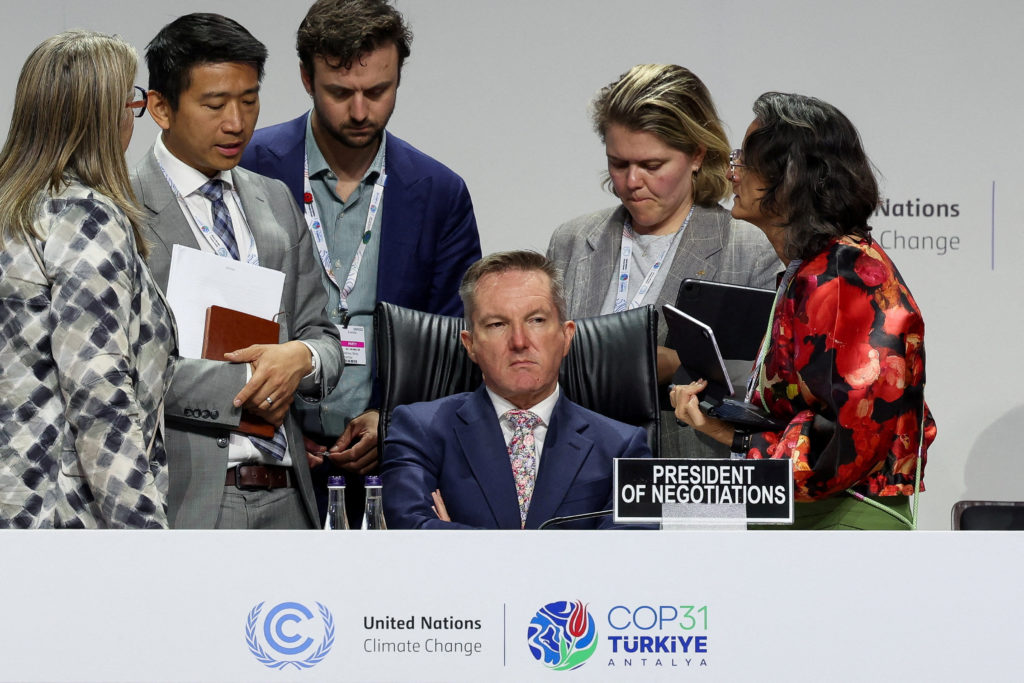
Negotiators and leaders at the U.N. climate talks in Antalya, Turkey faced significant challenges in finalizing an agreement. The annual meeting aims to develop a ‘cover decision’ directing global efforts to combat climate change. However, discussions stalled over the inclusion of fossil fuels in the final document.
The talks, hosted by Turkey with Australia, highlighted stark differences in opinions among participants. Many countries opposed the draft agreement prepared by the co-hosts, citing its lack of reference to fossil fuels.
European Union’s Concerns
Darragh O’Brien, representing the European Union’s 27 countries, stressed their disapproval. He stated that the EU’s citizens and member states reject any document lacking substantial ambition on climate change. O’Brien emphasized the need for explicit mention of fossil fuels in the climate act.
Position of Panama
Ana Aguilar from Panama argued for more robust actions. She insisted on doing what is right for the planet, opposing any decision that leans too heavily on carbon capture technologies without demanding fundamental changes. Aguilar felt the draft weakened previously agreed language, calling the result a ‘setback.’
The View from the Marshall Islands
The Marshall Islands delegation expressed disappointment, anticipating a comprehensive and urgent response to emissions reduction. They criticized the proposed document for supporting fossil fuel interests and felt it compromised their future and security.
Response from the United Kingdom
British representatives were dissatisfied with the negotiations’ outcome. They believed the proposed decision moved backward regarding scientific guidance for climate action, advocating for stronger collective ambitions.
Palau’s Support with Reservations
Steven Victor of Palau backed the draft text, acknowledging its benefits such as clean electrification and ocean finance, despite concerns over carbon capture. He highlighted progress in other work programs approved during the conference.
Australia and the Incomplete Agreement
Chris Bowen, Australia’s climate minister and COP31’s negotiation president, acknowledged the inability to reach a consensus on a cover decision. While disappointed, Bowen stated the transition away from fossil fuels continues steadily.
The Associated Press reported from Antalya, with support from private foundations for climate and environmental coverage. The AP ensures independent content creation and maintains standards of transparency with its supporters.