Economic Struggles Persist Amid Conflict in Iran
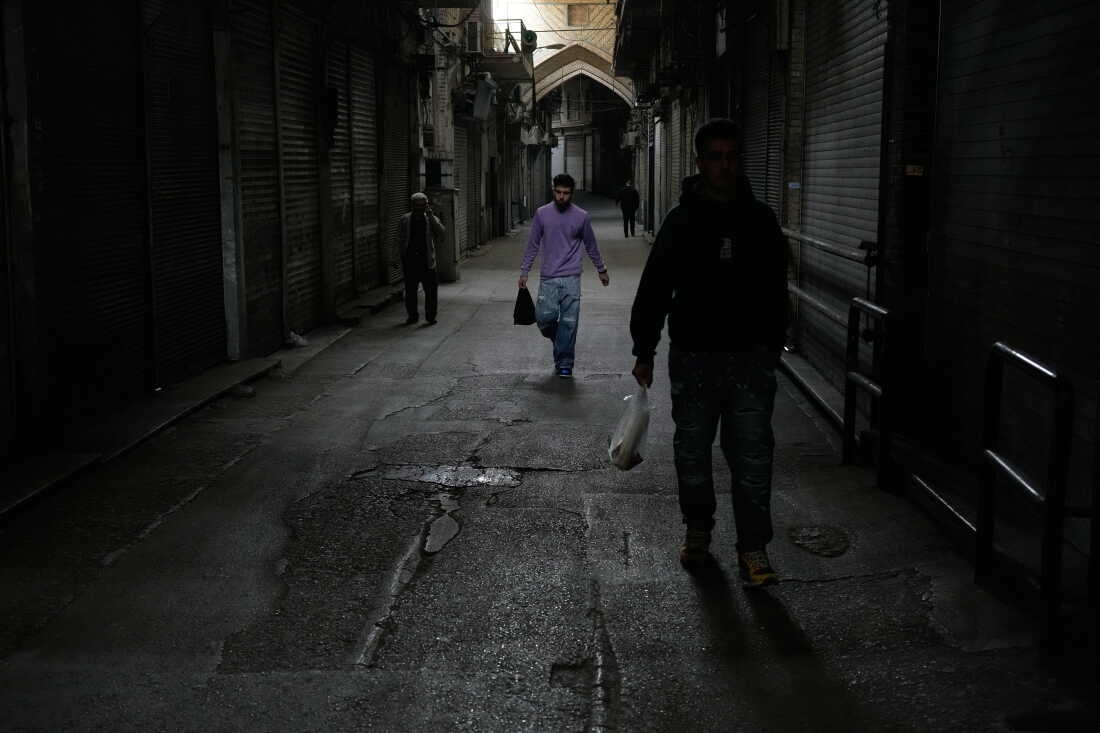
In Tehran, the customary hustle of the main bazaar is notably absent. Shops remain closed during the Iranian New Year, or Nowruz. This scene is marked by a stark contrast to previous years. Economic instability grips Iran since the United States and Israel initiated attacks about six months ago.
Rasoul, a 42-year-old engineer, had always reassured his family of their financial security. His backup plan involved driving for Snapp, Iran’s version of Uber, during tough times. Yet, the outbreak of war shattered these plans. Inflation surged, affecting gas, food, and rent prices dramatically.
Analysts suggest the actual unemployment rate surpasses the official 9%, with desperate Iranians hunting for work. Jobvision, a prominent job portal, saw resume submissions rise by 50% in April. Alireza Mahjoob, Iran’s Workers House leader, admitted joblessness impacts the fragile working class significantly.
“We don’t know how much it will afflict our already fragile working class, leaving us all helpless and powerless,” Mahjoob remarked on state television.
Rasoul faced sudden decline. In January, amid a government crackdown on protests, internet access got restricted. These disruptions harmed his tech company reliant on global networks.
“The company’s situation got really bad,” Rasoul recalls, noting customer loss. By mid-February, he was laid off, which triggered depression. Fearful of government repercussions, he preferred anonymity. Rasoul resorted to driving for Snapp, growing anxious with each ride.
This solution soon failed. American and Israeli forces initiated war in late February. Snapp earnings dwindled due to escalating fuel costs and vehicle repair expenses. Night drives became perilous amidst ongoing airstrikes. Rasoul survived by relying on family, shelving personal ambitions like starting a family.
Similar crises plague other sectors. Kayvan, another Tehran engineer, worked with a Chinese firm supplying raw materials to Iran’s vital oil industry. Escalated regional conflicts shuttered maritime trade.
“The environment became so unsafe,” Kayvan says. Maritime routes shut down, halting goods flow. Jobless, Kayvan cleared out his desk, akin to scenes from American films.
Kayvan’s family relied on dwindling savings and his wife’s income. Inflation rates, unprecedented price hikes sink deeper into economic uncertainty.
In July, Rasoul found temporary relief, securing a sales manager role. Yet, with the ongoing conflict, economic stability remains elusive.
“We’re like passengers on a train,” Rasoul says. “We don’t know if the bridge ahead is broken or intact.”