Eisenkot’s Challenge: Navigating the Complex Israeli-Hezbollah Relationship
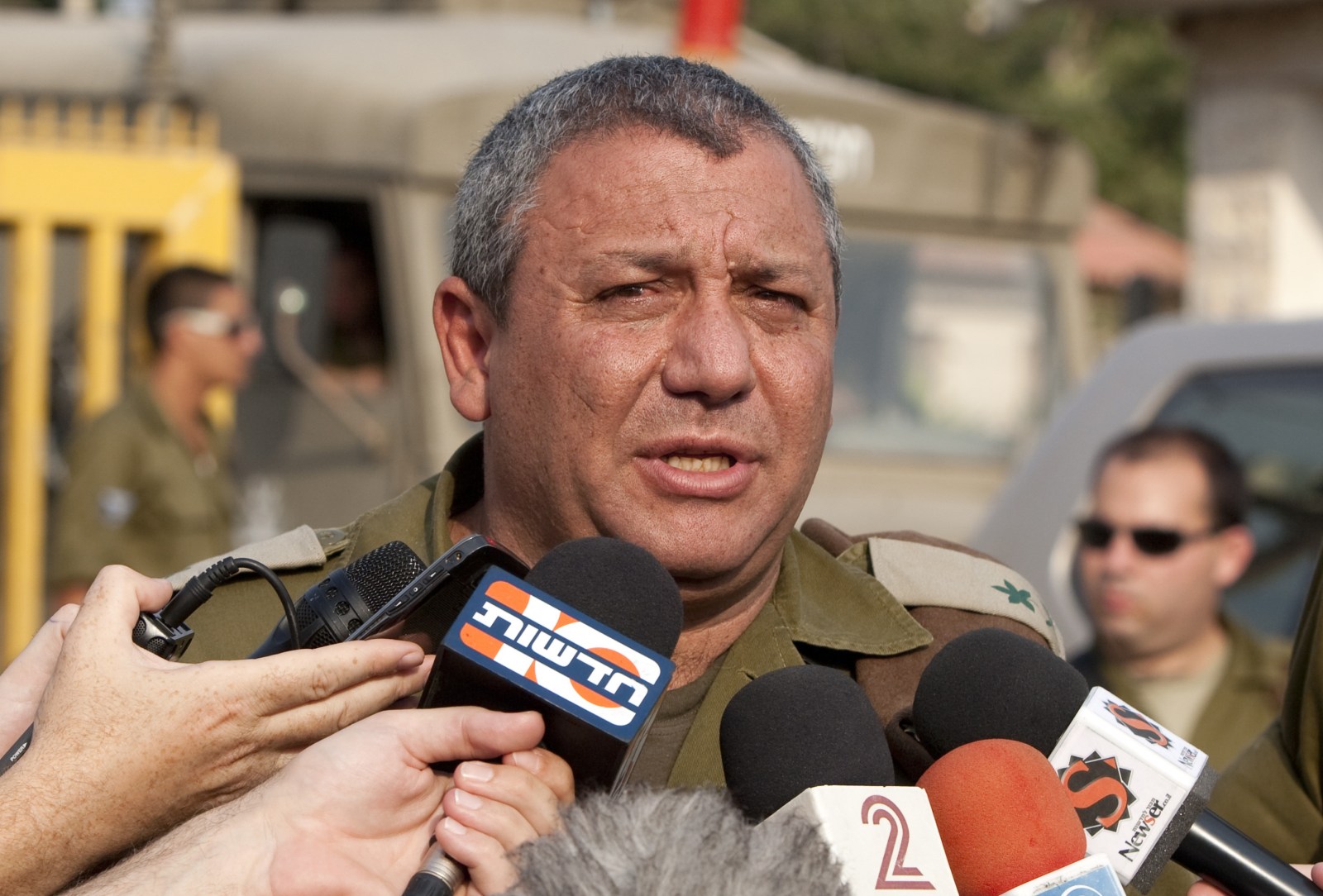
As Israeli Prime Minister Benjamin Netanyahu faces political challenges, his rival Gadi Eisenkot encounters skepticism from Hezbollah, the powerful Iran-aligned group in Lebanon. Their longstanding hostility dates back over two decades to when Eisenkot, a seasoned Israeli commander, devised new strategies for large-scale targeting during the 2006 Lebanon conflict. This approach, known as the ‘Dahiyeh doctrine,’ targeted civilian areas in Hezbollah strongholds in southern Beirut.
Despite this history, Eisenkot may now offer hope for policy change amid ongoing tensions between Israel and Hezbollah. Amal Saad, an expert on Hezbollah, notes that although Hezbollah officially remains indifferent to the Israeli election outcomes, they view political setbacks for Netanyahu as victories for the Axis of Resistance.
Eisenkot’s hardline stance is evident in his past comments about needing to impact civilian populations to restrain Hezbollah’s leader, Hassan Nasrallah. Eisenkot advanced to IDF chief of staff and later served under Netanyahu. The rivalry between them intensified during the elections, where both sought to form a majority coalition.
In September 2024, Nasrallah was killed in an airstrike in Dahiyeh, part of an aggressive Israeli campaign that exceeded the original ‘immense damage and destruction’ Eisenkot had advocated for. He continued to demand a strong military approach, at times criticizing Netanyahu for insufficient measures in the ongoing conflict.
While Eisenkot abstained from preemptive strikes against Hezbollah in October 2023, the principle was more about timing than strategy. The Dahiyeh doctrine has since evolved and expanded its influence beyond Lebanese borders, affecting areas like Gaza, Iran, Syria, and Yemen.
Eran Etzion, former deputy head of Israel’s National Security Council, notes that Israel’s military tactics have transformed significantly since the Dahiyeh doctrine era. Actions now considered routine were previously seen as extreme.
Things that were beyond acceptable are now mainstream, said Etzion, reflecting on current military operations compared to historical practices.
Etzion suggests that lasting peace with Lebanon will likely follow if there is concurrent agreement between the U.S. and Iran. Historical precedents show potential for such diplomatic actions, like the agreement President Donald Trump attempted with the Islamic Republic in April.
Eisenkot must navigate these complex dynamics if he intends to balance aggressive military strategies with diplomatic efforts. This includes recent peace talks facilitated by the U.S. aimed at reducing Hezbollah’s power as Lebanon’s President Joseph Aoun and Prime Minister Nawaf Salam promote disarmament.
Barabara Leaf, former U.S. assistant Secretary of State for Near Eastern Affairs, argues that Netanyahu did not capitalize politically on successes against Hezbollah. Leaf emphasizes working closely with the U.S. and Lebanese government to reduce Hezbollah’s influence without provoking conflict. The IDF’s current operations complicate this delicate balance.
Eisenkot’s own transformation over the years may influence his decisions. As the IDF has advanced in missile defense and intelligence technologies, Israel now has a broader range of military responses than in 2006.
Eitan Shamir of the Begin-Sadat Center for Strategic Studies believes Eisenkot recognizes the strategic role of military force. Hezbollah also adapts its tactics, utilizing modern technology in conflicts.
Eisenkot’s familiarity with Hezbollah suggests no major shift from the stance of his predecessor, Netanyahu, in confronting the group. Differences may lie in strategy, decision-making processes, and integrating military and diplomatic efforts.
If you have comments on this story, reach out to Newsweek editors Samantha Beech and Dave Siminoff.