Elephant Deaths in Kenya Spark Concerns Over Human-Wildlife Conflict
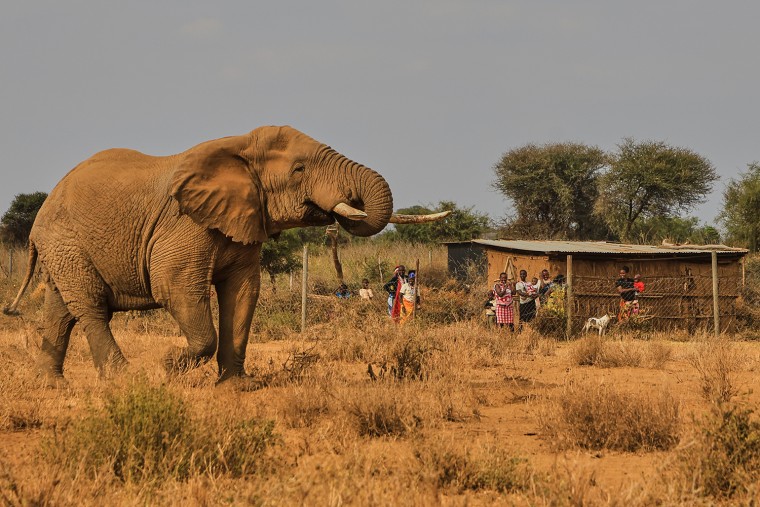
On a dusty road in Kimana, Kenya, the remains of elephants present a worrying scene. Fifteen elephants have perished in Amboseli National Park, suspected of cyanide poisoning after consuming tomatoes from nearby farms.
Ongoing Investigations
Authorities are probing how cyanide might have infiltrated an ecosystem where wildlife and agriculture coexist closely, particularly in areas where tomatoes and onions flourish. Farmers, however, contest allegations that their produce caused the elephants’ deaths.
Human-Wildlife Conflict
The tragic loss of these elephants has heightened fears about the increasing tension between wildlife and expanding agriculture around Amboseli. Despite Kenya’s notable success in growing its elephant population to over 36,000 through anti-poaching and conservation efforts, challenges persist.
Farmers’ Perspectives
Elvis Muchai, a farmer near Amboseli, expressed disbelief at the reports of elephants dying from cyanide after eating tomatoes. Although elephants sometimes raid farms during dry seasons, Muchai insists that local farmers do not poison wildlife.
“We are accustomed to elephants eating from our farms,” stated Muchai. He emphasized the region’s long history of coexistence with elephants, despite significant crops losses.
Preliminary Findings
The Kenya Wildlife Service revealed that 15 elephants died within a month, with tests showing cyanide presence and postmortem exams revealing tomatoes in their stomachs. Dr. Isaac Lekolool, head of veterinary services at the wildlife agency, noted signs of paralysis and respiratory trouble among the elephants. Further testing aims to discern the cyanide’s origin.
Broader Agricultural Context
Kimana is a thriving agricultural hub growing several crops like tomatoes and onions for Nairobi markets. Dr. Lekolool highlighted the importance of cautious pesticide use, while dismissing earlier claims that illegal mining might have introduced cyanide.
Conflict between humans and elephants remains the second leading cause of elephant deaths after poaching, according to the National Elephant Plan. From 2000 to 2020, over 1,160 elephants died from conflict-related incidents.
Government and NGO Responses
Duncan Juma from Kenya’s wildlife service refuted claims that human-wildlife conflict caused the elephants’ deaths, affirming community affection for these animals. The International Fund for Animal Welfare (IFAW) stressed the urgency of investigating the suspected poisoning thoroughly. Their East Africa Director, Ben Wandago, recommended initiatives to balance wildlife protection and communal livelihoods.
Farmers remain skeptical, questioning the presence of cyanide in commonly used agricultural products. They stress that such chemicals are government-regulated. Muchai mentioned substantial losses due to elephant-related crop damages, recounting a significant financial hit from recent incursions.
“We have lived with these elephants for years. Despite crop losses, many have yet to receive compensation,” Muchai said. Rymondy Mrosso, another farmer, doubted that local pesticides affected only elephants, as other nearby livestock remain unharmed.